
-
Uber is winding down its Nigerian operations effective September 2, 2026, ending a 12-year presence in one of its earliest African markets.
-
The exit follows years of pressure over fares, commissions and rising operating costs, with ride-hailing drivers staging a sector-wide protest in March.
-
Nigeria joins a wider African pullback for Uber, which has also exited Tanzania and Côte d’Ivoire and is winding down operations in Uganda.
September 02, (THEWILL) — Global ride-hailing company Uber is winding down its operations in Nigeria after 12 years, ending its presence in one of Africa’s largest and most competitive transport markets.
The company informed customers on Wednesday that it had taken the decision following a review of its business.
“After a thorough review of our business, we have made the tough decision to wind down our operations in Nigeria, effective 2 September 2026”, Uber said in an email to customers.

Uber launched in Lagos in 2014 before expanding to Abuja, helping establish app-based ride-hailing as a major part of Nigeria’s urban transport system.
In a separate message to drivers, the company thanked them for being part of its journey and said it would provide a one-off goodwill payment to help ease the transition.
Rising Costs Squeeze Ride-Hailing

Uber’s departure comes as operators and drivers face mounting pressure from higher fuel, vehicle maintenance and other operating costs.
In March, drivers operating on Uber and Bolt, inDrive and LagRide staged a three-day shutdown in Lagos and parts of Ogun State over low fares, platform commissions and declining earnings.
The dispute highlighted the difficult economics of ride-hailing. Platforms must keep fares affordable enough to attract passengers while ensuring drivers can cover fuel, maintenance, vehicle financing and other expenses.
Uber said during the March dispute that its platform supported about N6.1 billion in collective annual earnings for Nigerian drivers.
The company’s exit suggests that strong demand for ride-hailing has not necessarily translated into equally attractive economics for operators.
READ ALSO:
Nigeria Follows Wider African Pullback

Nigeria’s exit is part of a broader reassessment of Uber’s African operations.
The company exited Tanzania in January 2026 after years of regulatory and competitive challenges. It had previously withdrawn from Côte d’Ivoire in September 2025 after six years.
Uber is also winding down operations in Uganda alongside Nigeria, indicating that the latest departures extend beyond a single market.
The company is simultaneously restructuring its global operations. Uber announced plans to cut about 3,300 jobs, representing roughly 10 per cent of its global workforce, as it simplifies its structure and redirects resources towards growth areas.
What Uber’s Exit Means
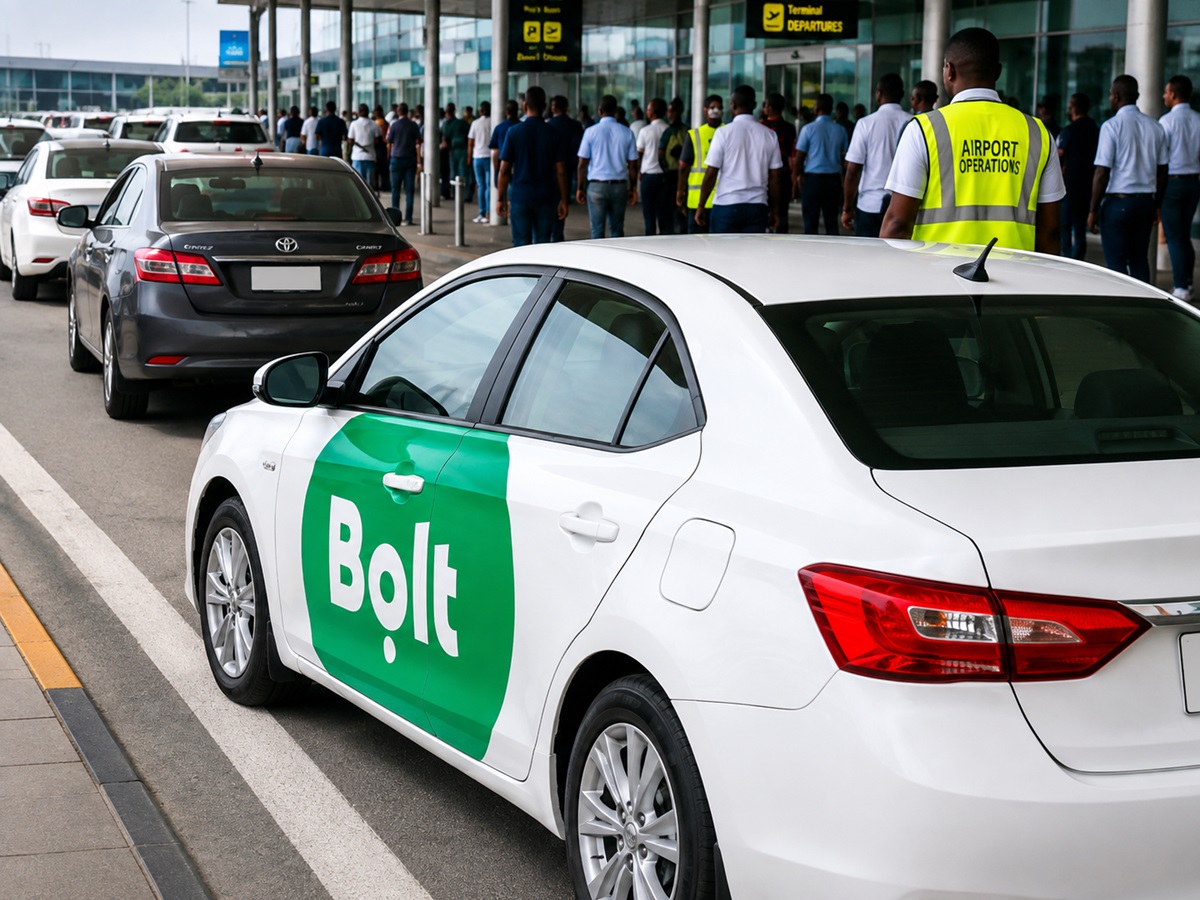
Uber’s departure leaves competitors such as Bolt and inDrive with an opportunity to capture more riders and drivers, while local operators including LagRide and Rida could also benefit.
However, the same cost pressures that affected Uber remain across the industry.
Nigeria has a large potential market for app-based transportation, particularly in major cities, but operators must balance affordable fares with driver earnings, technology costs and regulatory requirements.
Uber’s exit therefore goes beyond the departure of a familiar brand. It raises questions about whether the current ride-hailing business model can deliver sustainable returns in Nigeria amid persistent pressure on fares and operating costs.
For competing platforms, the opportunity is significant. But so is the challenge: winning Uber’s customers and drivers will matter only if they can make the economics of ride-hailing work better.

Ogochukwu Onwaeze is a writer specializing in business and economic journalism. At THEWILL News Media, she translates market trends, financial developments, and policy shifts into clear and engaging stories.