
-
Dangote Refinery cut its petrol ex-gantry price by ₦25 to ₦1,325 per litre after international crude prices fell.
-
Several Lagos depots followed with cuts of up to ₦24 per litre, while prices also declined in Port Harcourt, Calabar and Warri.
-
Petrol is still selling at about ₦1,370 to ₦1,450 per litre at filling stations, meaning lower depot prices have yet to fully reach consumers.
September 23, (THEWILL) – Dangote Petroleum Refinery and several petroleum marketers have reduced petrol prices at major depots following a decline in international crude oil prices.
Dangote cut its Premium Motor Spirit (PMS) price from ₦1,350 to ₦1,325 per litre, a ₦25 reduction, while several other depots in Lagos also lowered their prices.
The latest adjustments came as Brent crude fell below $100 per barrel, with the benchmark dropping to $99.77, while West Texas Intermediate declined $1.20, or 1.30 percent, to $91.17 per barrel, according to market data.


Lagos Depots Lead Price Cuts
Data from Petroleumprice.ng showed that Ascon, Integrated, Pinnacle and Sahara reduced their Lagos depot prices by about ₦24 per litre, with prices ranging from ₦1,326 to ₦1,327.
MRS cut its price by ₦20 to ₦1,332 per litre, while Wosbab quoted ₦1,330.
The reductions followed a sharp reversal in global crude prices. Brent had climbed to about $109 per barrel the previous week amid heightened concerns over Middle East supply disruptions before falling as expectations of renewed US-Iran diplomatic engagement increased.
The lower crude prices have reduced some of the pressure on refined-product replacement costs, providing room for adjustments in Nigeria’s wholesale market.
However, the decline has not been uniform across crude grades. Murban crude rose $4.18, or 3.80 percent, to $114.20 per barrel.
READ ALSO:
Cuts Spread To Coastal Markets
Price reductions were also recorded in other major petroleum trading centres.
In Port Harcourt, Masters cut its PMS price by ₦2 to ₦1,328 per litre, while Stockgap reduced its price by ₦7 to ₦1,323. Bulk Strategic and Sigmund quoted ₦1,328, while Matrix remained at ₦1,330.
In Calabar, Mainland reduced its price by ₦7 to ₦1,320 per litre, the lowest among the locations covered. Alkanes cut its price by ₦2 to ₦1,325, while Matrix remained at ₦1,330.
Warri also recorded mixed movements, although most adjustments were downward. Keonamex reduced its price by ₦3 to ₦1,327, while Nepal and Prudent cut theirs to ₦1,329 and ₦1,328 respectively.
The adjustment in depot prices is yet to translate fully into retail prices. Petrol is currently selling at about ₦1,370 to ₦1,450 per litre depending on location, with transportation costs, stock positions and marketers’ margins influencing pump prices.
Diesel Prices Also Ease
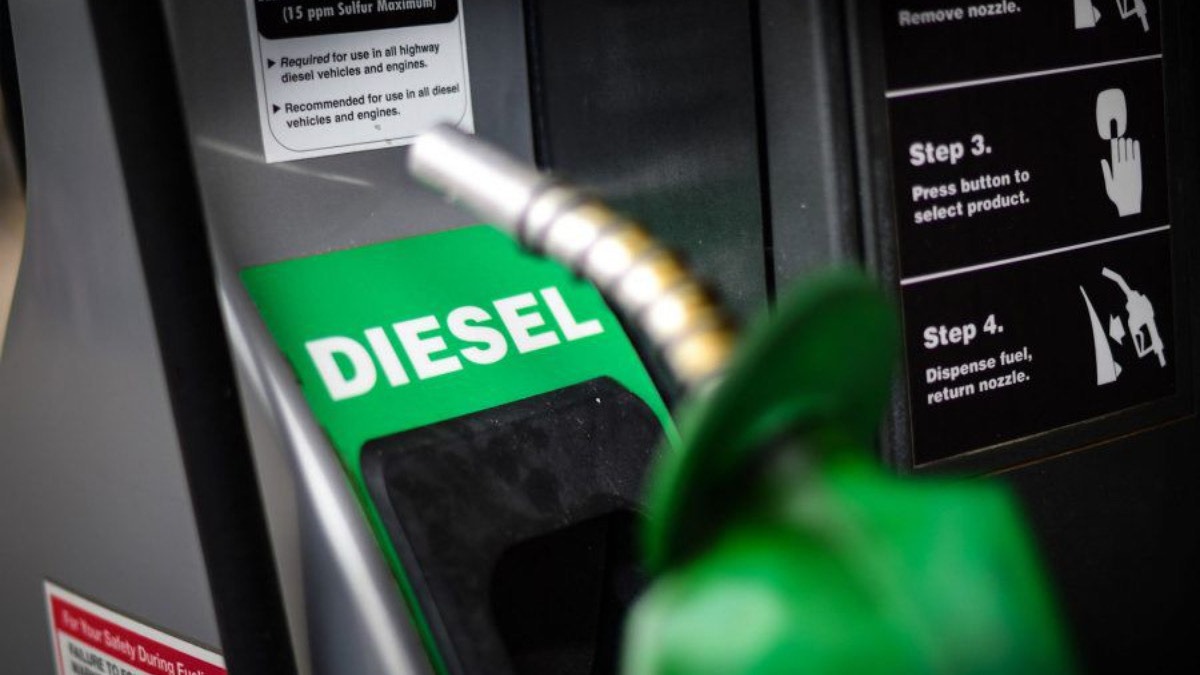
Some diesel, or Automotive Gas Oil (AGO), prices also declined.
In Lagos, Chipet reduced its AGO price by ₦15 to ₦1,815 per litre, while Ascon, Duport and Integrated each cut prices by ₦5.
In Port Harcourt, Masters reduced its diesel price by ₦35 to ₦1,900, while Matrix cut its Warri price by ₦50 to ₦2,000 per litre. Prudent and Rain Oil reduced their Warri prices by ₦10 to ₦1,940.
The latest movements suggest that the recent retreat in crude prices is beginning to filter into Nigeria’s wholesale petroleum market.
Further reductions, however, will depend on global crude prices, the naira-dollar exchange rate, and the cost of refined products. Lower depot prices could eventually put downward pressure on pump prices as marketers replenish stocks purchased at the new rates.

Ogochukwu Onwaeze is a writer specializing in business and economic journalism. At THEWILL News Media, she translates market trends, financial developments, and policy shifts into clear and engaging stories.
