
-
Nigeria’s startup shutdowns accelerated after the global funding boom of 2021 and 2022 began to lose steam.
-
Several companies that raised millions of dollars eventually closed after struggling to raise fresh capital or build sustainable revenue.
-
Funding was only part of the problem, with regulation, customer adoption, infrastructure, internal disputes and difficult business economics also playing a role.
-
Some high-profile companies paused operations or changed direction rather than shutting down permanently.
September 03, (THEWILL) — Uber has left Nigeria after 12 years, ending a run that began with its Lagos launch in 2014. The ride-hailing company announced that it would wind down its Nigerian operations on September 2, 2026, following a review of its business.
Its departure comes as Nigeria’s technology ecosystem faces a much harsher operating environment.
Over the past three years, several startups that attracted investors, built customer bases and, in some cases, raised millions of dollars have shut down after running into funding, market, regulatory, operational or profitability problems.

Here are 11 notable startups that have closed business in Nigeria since 2023.
1. Gigbanc — Fintech

Gigbanc began winding down in July 2026, roughly three years after it was founded. The fintech built cross-border payment products for freelancers, creators, remote workers and businesses, and had grown to more than 150,000 users across several countries.
Customers were given until July 31 to convert their balances to naira and withdraw their funds. The company cited a difficult fundraising environment, expensive compliance requirements and infrastructure costs. Gigbanc had processed more than ₦10 billion in payments before the shutdown.
2. Chimoney — Fintech
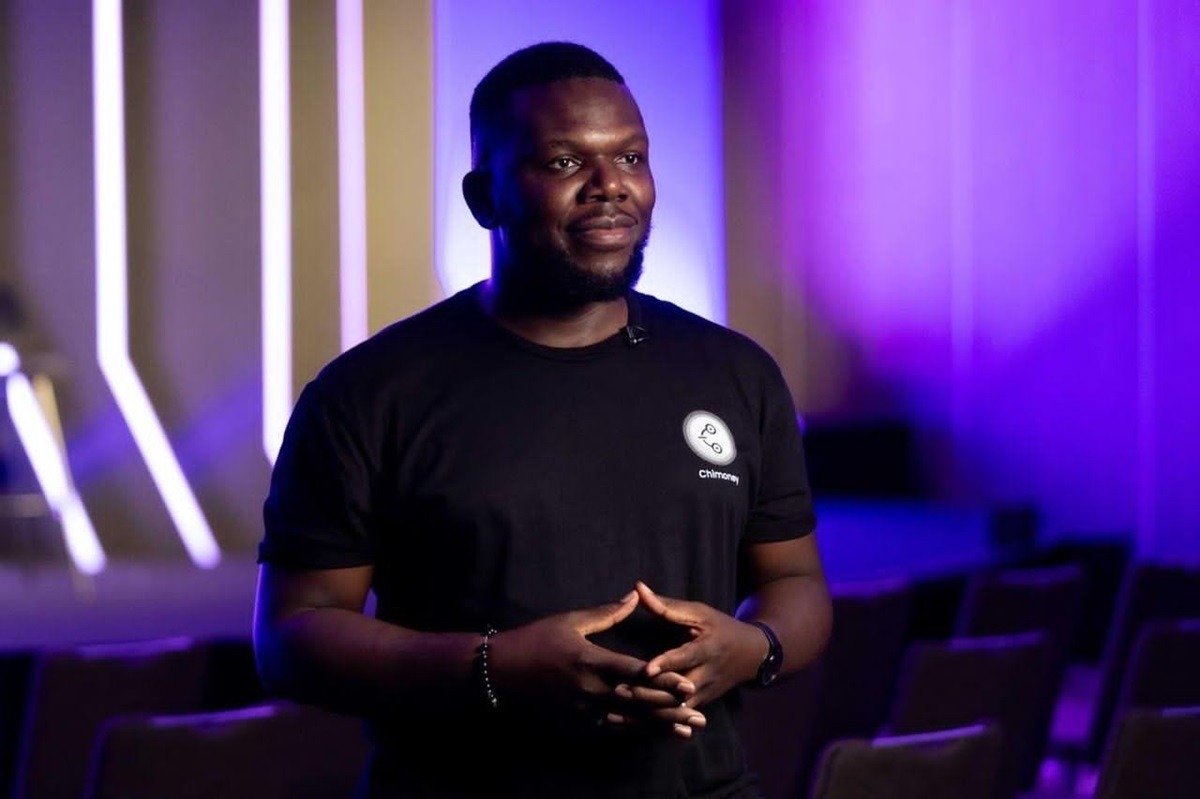
Chimoney, a Nigerian-founded fintech headquartered in Canada, stopped accepting new transactions on April 30, 2026, before beginning the process of shutting down.
Its technology allowed businesses to make cross-border payments through bank transfers, mobile money, gift cards and other payment channels.
Uchi Uchibeke said the product worked, but distribution did not. The company had also raised less than $1 million over its lifetime, leaving limited room to absorb the cost of operating across multiple jurisdictions.
3. GoLemon — Grocery Tech
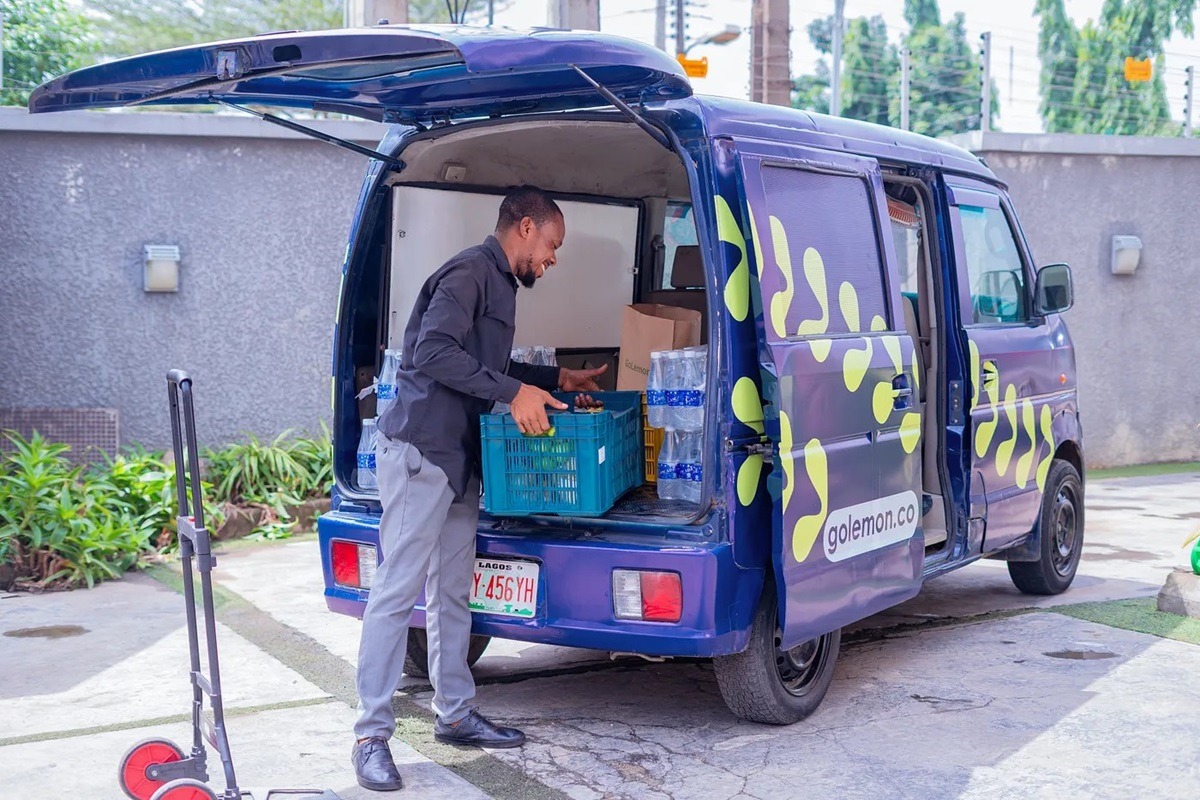
GoLemon shut down in July 2026 after failing to secure additional funding.
The Lagos-based grocery delivery startup was founded in 2024 and built a model around delivering groceries to customers. Despite generating positive contribution margins on individual orders, the company could not reach enough volume to cover its fixed costs.
Its closure showed the difference between making money on individual transactions and building a business capable of supporting its wider operating costs.
4. Lidya — Fintech

Lidya lasted nearly a decade before shutting down in 2025.
Founded in 2016 by Tunde Kehinde and Ercin Eksin, the digital lender provided credit to small and medium-sized businesses and raised about $16.45 million during its run.
In October 2025, the company told customers that it had encountered severe financial distress and could no longer continue operating. Its closure was notable because Lidya had survived several cycles in Nigeria’s fintech market and previously disbursed millions of dollars in loans to thousands of businesses.
5. Okra — Fintech
 Okra ceased operations in May 2025 after raising more than $16 million.
The open-banking startup built APIs that allowed fintechs and other businesses to connect to customers’ financial accounts. It had become one of Nigeria’s most closely watched financial infrastructure companies, but strong funding and a sophisticated product were not enough to guarantee survival.
Its closure came amid high operating costs and slower-than-expected development of Nigeria’s open-banking market.
READ ALSO:
6. Edukoya — EdTech
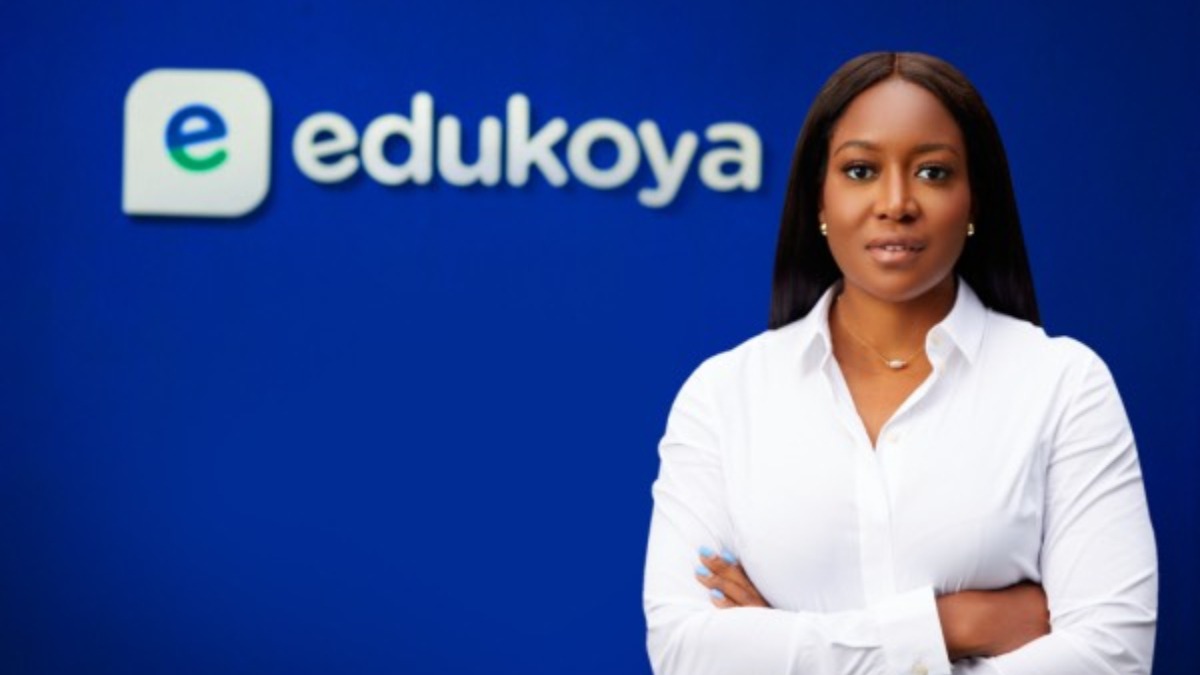
Edukoya shut down its core operations in February 2025, despite raising $3.5 million in 2021 in one of Africa’s largest pre-seed rounds at the time.
The K-12 education startup attempted to bring live online tutoring to African families. But inflation reduced household purchasing power while unreliable internet connections and limited access to devices constrained its model.
Its shutdown highlighted the gap between investor enthusiasm for a market and the conditions required for consumers to sustainably pay for the product.
7. Thepeer — Fintech

Thepeer shut down in 2024 after raising $2.1 million in seed funding.
The startup built payment infrastructure that allowed businesses to embed financial services and connect wallets. Adoption, however, did not develop as quickly as expected, while compliance became another obstacle.
The founders returned the remaining capital to investors and placed the product in maintenance mode while looking for another home for the technology.
8. Cova — Wealthtech

Cova announced in January 2024 that it would cease operations the following month.
The wealthtech startup built a platform that allowed users to organise and manage their assets in one place. After roughly two years, the company concluded that the product was not gaining enough traction to justify continuing to spend its remaining capital.
Operations ended on February 10, with refunds issued to subscribers.
9. Pivo Africa — Fintech

Pivo Africa shut down in December 2023, roughly two years after it was founded.
The fintech provided financial services to businesses operating within Nigeria’s supply chain and had raised more than $2.6 million from investors including Y Combinator and Ventures Platform.
The company had raised a $2 million seed round only a year before its closure, making its shutdown one of the clearest examples of how quickly a venture-backed startup’s fortunes could change during the funding downturn.
10. 54gene — Healthtech

Few Nigerian startup shutdowns were as striking as 54gene’s.
The genomics company raised $45 million across three funding rounds after launching in 2019 with an ambitious goal of building African genomic datasets for drug discovery and pharmaceutical research.
By July 2023, however, the company had begun winding down. Former CEO Ron Chiarello later confirmed that 54gene could no longer continue operating financially. The company had also gone through leadership changes, layoffs and financial difficulties before its closure.
The amount raised made 54gene’s collapse particularly significant. It showed that substantial venture backing could not compensate indefinitely for financial and operational problems.
11. Lazerpay — Fintech

Lazerpay shut down in April 2023 after failing to secure the funding it needed to continue.
The crypto payments startup, founded in 2021, built infrastructure that allowed businesses to accept cryptocurrency and settle payments in several currencies. It had onboarded more than 3,000 businesses during its 17 months of operation.
Founder Emmanuel Njoku said the company had tried to keep operating but could not close the fundraising round required to stay afloat. The shutdown came after layoffs and months of attempts to preserve the business.
It is worth noting that FoodCourt, Bento Africa, Eden Life, MonieWorld and Jumia Food are often included in recent shutdown lists, but they do not meet the same criteria here.
FoodCourt paused operations, Bento described its shutdown as temporary, Eden Life shifted its consumer business towards B2B, MonieWorld was a Moniepoint product rather than an independent startup, while Jumia Food was a business unit of Jumia rather than a standalone Nigerian startup.
What These Closures Reveal
Taken together, these shutdowns tell a more complicated story than Nigerian startups simply running out of money.
Funding was certainly a major factor. Lazerpay could not secure another round. Gigbanc and GoLemon faced difficult fundraising environments. Chimoney shut down after failing to raise enough capital to support an increasingly expensive international operation. But capital was only part of the problem.
For Thepeer, compliance and weak wallet adoption became barriers. Cova struggled to gain traction.
Edukoya encountered a market where purchasing power, connectivity, and device access constrained its model. 54gene faced financial and leadership problems after a period of rapid expansion.
Lidya ultimately cited severe financial distress after years in the market.
The pattern matters because these were not simply companies with bad ideas. Some built useful products, attracted serious investors, and found real customers. What they could not always find was the combination of capital, distribution, pricing power, regulatory clarity and operating economics needed to survive long enough to become durable businesses.
Uber’s exit therefore arrives against a backdrop that extends beyond one ride-hailing company leaving the country.
Its 12-year run is ending while a younger generation of Nigerian technology companies has already discovered how unforgiving the market can become once the funding runs out and the numbers have to work on their own.

Joy Onuorah is a business journalist and brand communications specialist covering financial markets, artificial intelligence, digital economy, and the ideas reshaping business across Africa and the global market. Beyond her reporting for TheWill, Joy uses brand strategy, storytelling, copywriting, and high-value SEO to help brands build lasting market authority.