
-
IMF Managing Director Kristalina Georgieva says AI’s risks could exceed its benefits without safeguards and an ethical framework.
-
Anthropic cofounder Jack Clark says safety testing and disclosure should not be left entirely to voluntary action by AI companies.
-
Georgieva says electricity, digital infrastructure and regulation will influence which countries benefit from AI.
-
No new global AI regulation was announced at the IMF and World Bank meetings in Bangkok.
October 16, (THEWILL) – Artificial intelligence could create more economic harm than opportunity if governments and technology companies fail to put adequate safeguards around its development and use, International Monetary Fund Managing Director Kristalina Georgieva warned on Friday.
Speaking during the IMF and World Bank Annual Meetings in Bangkok, Thailand, Georgieva said AI needed an ethical foundation alongside regulation, infrastructure and industry responsibility if its gains were to reach more countries and people.
“If there are no safeguards, then the risks may exceed the opportunities,” she said.

Her remarks came during a discussion on AI’s effect on productivity, employment, investment and financial stability as governments struggle to develop oversight for technology changing faster than many existing regulatory systems.
Anthropic cofounder and Head of Policy Jack Clark, who joined Georgieva on the panel, pushed for what he called “common sense standards” and said safety practices could not depend entirely on companies choosing to police themselves.
Anthropic tests its AI systems, publishes information on those assessments and has allowed external evaluators to examine aspects of its work, Clark said, but he argued that such practices should not remain completely voluntary.
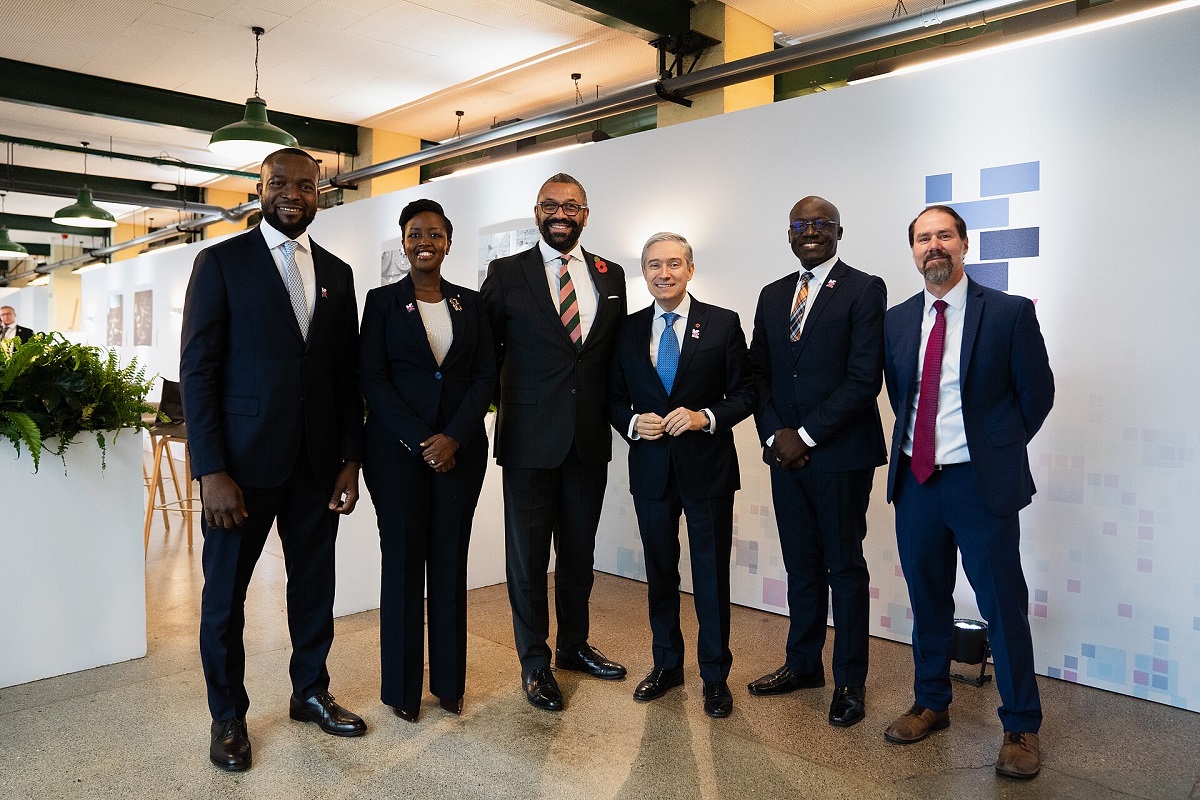
Guardrails Beyond Company Promises
Georgieva said some industry self-regulation would remain necessary because governments may lack the technical capacity to follow every change in rapidly developing AI systems.
She did not, however, argue for companies to regulate themselves without public oversight.
Her proposal combined industry involvement with governments and society, particularly countries with major AI industries or positions in the AI supply chain.
The conversation exposed a problem that has followed the AI boom from laboratories into boardrooms and public policy.
Companies are deploying increasingly capable systems while governments are still deciding what should be independently tested, what information developers should disclose and who carries responsibility when an automated system causes harm.
Georgieva compared the challenge to keeping high-speed Formula One cars on a track without allowing them to hurt spectators.
Clark went further.
“I think it’s Formula One at night, without maybe brakes in the cars,” he said.
READ ALSO:
He pointed to regulatory efforts already developing in Europe and voluntary commitments in the United States as evidence that common testing and safety standards were possible.
Asked if countries producing leading AI systems should regulate them, Clark said they should.
“We need common sense standards, and that’s how you ultimately give confidence in the technology and build the economy,” he said.
The comments were policy positions expressed during the meetings. They did not create a new IMF AI framework or binding international regulation.
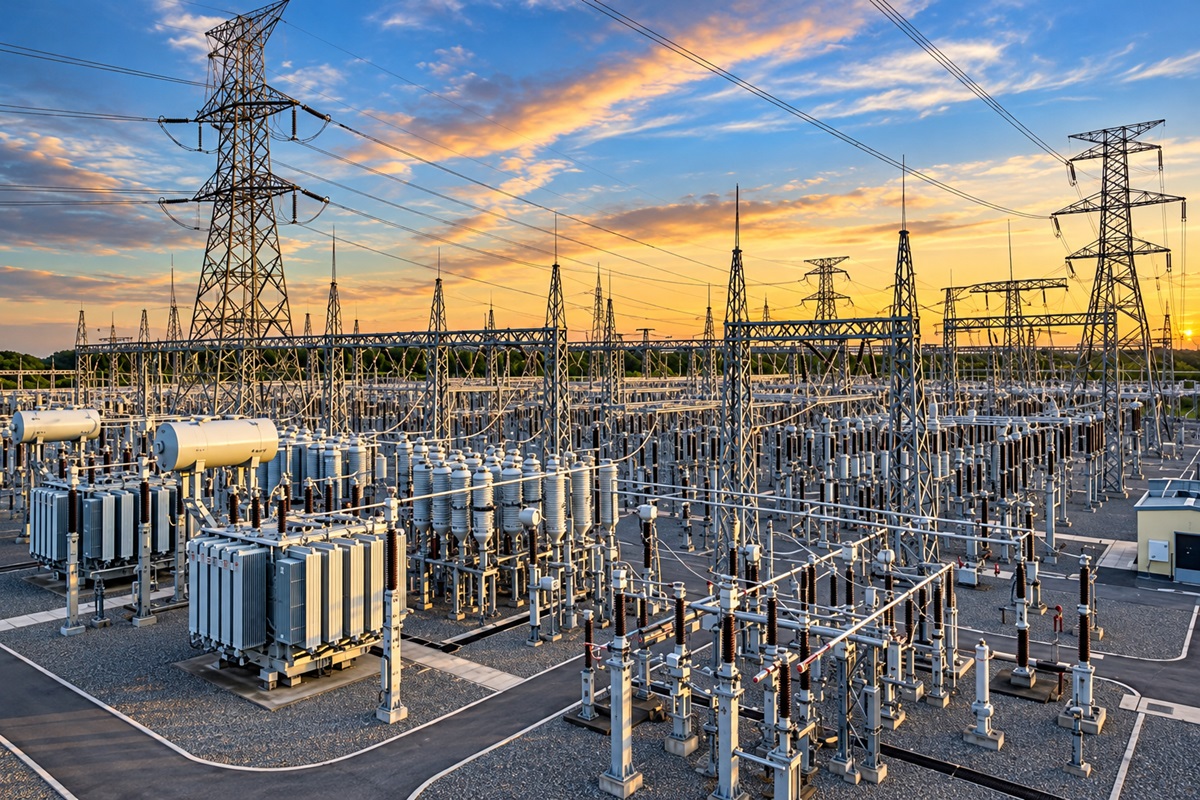
Electricity Still Decides Who Gets To Benefit
The debate was not limited to advanced AI models or catastrophic safety risks.
Georgieva said countries also needed basic conditions for AI adoption, including electricity, digital infrastructure and appropriate regulation.
That argument is especially consequential for emerging and developing economies because access to an AI service does not automatically translate into an economy capable of extracting productivity gains from it.
The IMF’s AI Preparedness Index evaluates 174 economies using four areas including digital infrastructure, human capital and labour-market policy, innovation and economic integration, and regulation and ethics.
Earlier this year, Georgieva said AI could add as much as 0.8 percentage points to annual global productivity growth, but the Fund has repeatedly warned that gains are likely to be uneven, with countries possessing stronger infrastructure, skills and institutions positioned to capture benefits faster.
That unevenness could deepen existing economic differences even as AI raises output elsewhere.
Other speakers around this week’s IMF and World Bank meetings have also questioned the financial assumptions supporting the AI investment surge. Economists have warned that large spending on chips, computing infrastructure and data centres carries two different risks.
Strong productivity gains could still displace workers in affected occupations, while weaker-than-expected gains could leave investors exposed after enormous capital expenditure.
Nigeria Already Has Questions AI Buyers Cannot Ignore
For Nigerian businesses, the Bangkok discussion is not only about rules that governments may write later.
Existing Nigerian data protection requirements already create obligations for some uses of automated systems.
The Nigeria Data Protection Act gives individuals protections around decisions based solely on automated processing, while guidance from the Nigeria Data Protection Commission requires data protection impact assessments in several higher-risk situations, including profiling, automated decisions with significant effects and some deployments of new technologies involving personal data.
The commission said in its 2025 annual report that automated decision-making had become a concern in areas including credit scoring, where affected people may not even know an automated system influenced a decision against them.
That changes the questions organisations should ask before buying an AI service.
A procurement team evaluating a system for recruitment, lending, insurance, customer profiling or another consequential function needs more than a vendor’s promise that its model is “responsible”.
It needs to know what the system was tested for, what data enters it, how errors are detected, where human review takes place, what records can be audited and who accepts responsibility when an automated recommendation causes measurable harm.
Nigeria’s National Artificial Intelligence Strategy also places accountability, transparency, data governance and human-centred development among the issues required for responsible adoption.
The disagreement in Bangkok, then, is no longer about AI being useful.
It is about the conditions under which usefulness can be trusted.

Joy Onuorah is a business journalist and brand communications specialist covering financial markets, artificial intelligence, digital economy, and the ideas reshaping business across Africa and the global market. Beyond her reporting for TheWill, Joy uses brand strategy, storytelling, copywriting, and high-value SEO to help brands build lasting market authority.
