
-
The Nasdaq fell 5.5% on November 5, while the Philadelphia Semiconductor Index plunged 12.2%.
-
South Korea halted trading for 20 minutes on Friday after the Kospi fell more than 8%.
-
Technology shares in Japan and Taiwan also tumbled as investors sold semiconductor and AI infrastructure stocks.
-
Concerns over US data-centre regulation, expensive valuations and AI investment returns drove the selloff.
November 06, (THEWILL) – A sharp sell-off in American artificial intelligence stocks spread across Asian financial markets on Friday, forcing South Korea to suspend trading temporarily as investors reassessed the enormous investments supporting the global AI industry.
South Korea’s benchmark Kospi index plunged more than 8% shortly after trading opened on November 6, triggering a 20-minute market-wide halt at 9:03 a.m. local time. At its lowest point, the index fell to 4,911.28, a nine-month low, before recovering part of its losses.
Japan’s Nikkei 225 dropped more than 6% during early trading, while Taiwan’s technology-heavy stock market also suffered a steep decline as investors sold shares in companies supplying chips, memory and equipment for AI data centres.

Selling followed Thursday’s losses on Wall Street, where the Nasdaq Composite fell 5.5%, the S&P 500 declined 4.4%, and the Philadelphia Semiconductor Index shed 12.2%.
Nvidia lost 9.3% during the American session, while Advanced Micro Devices fell 17.3%. Investors wiped roughly $3 trillion off the market value of S&P 500 companies as concerns about AI infrastructure spending and possible regulatory restrictions intensified.
Washington’s Political Shift Reaches Asia’s Chip Industry
Investors began reassessing the outlook for AI infrastructure after Democrats made sweeping gains in the November 3 US midterm elections.
Market participants fear that lawmakers could impose tougher oversight on artificial intelligence and data-centre construction, potentially delaying some of the projects driving demand for advanced processors, memory chips, networking equipment and electricity.
Those concerns have immediate implications for Asian manufacturers.
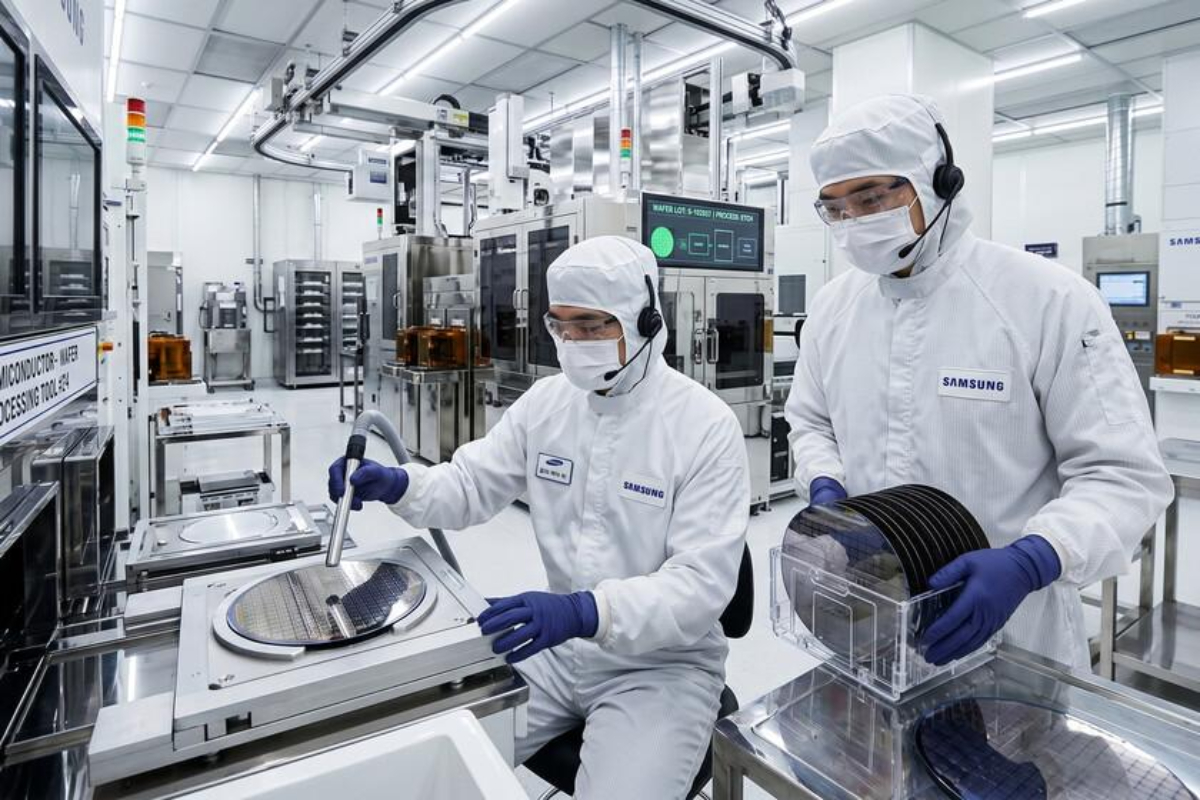
South Korean companies Samsung Electronics and SK Hynix supply memory products used in AI computing infrastructure. Taiwanese chip manufacturer TSMC produces advanced semiconductors for major technology companies, while Japanese businesses supply chipmaking equipment, components and related technology.
As trading opened in Seoul, Samsung shares fell approximately 10%, and SK Hynix dropped as much as 13%. In Japan, SoftBank and semiconductor-related companies also suffered sharp early losses.
Investors have spent years valuing many of these companies on expectations that demand for AI computing would continue expanding rapidly. Any delay in data-centre construction could affect future orders, even when manufacturers continue reporting healthy sales.
Qualcomm’s disappointing earnings outlook added to the pressure on semiconductor shares, while unusually large positions in technology stocks left markets vulnerable to rapid selling.
South Korea’s decline was severe enough to prompt an emergency response. Officials convened a meeting to assess market conditions, while domestic investors helped reduce some of the losses after foreign funds sold heavily.
Investors Are Repricing Cost Of AI Expansion
Building AI infrastructure requires significant spending long before technology companies know how much revenue their investments will generate.
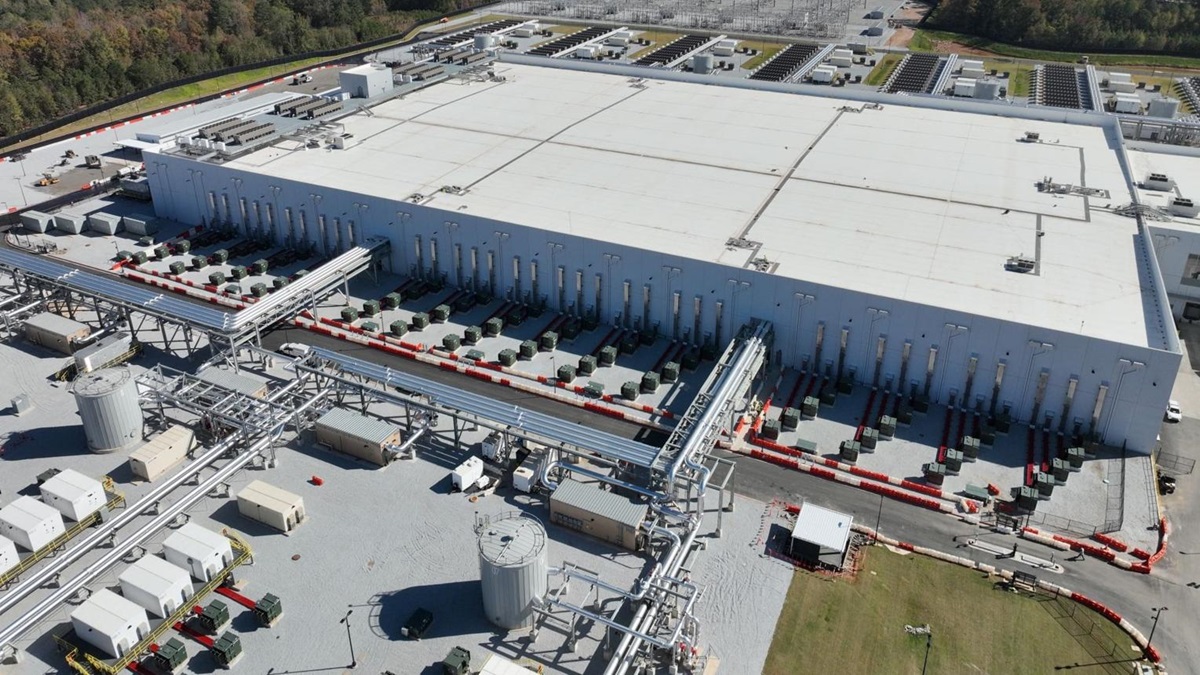
Data centres need specialised processors, memory, networking equipment, cooling systems and reliable electricity. Technology companies have committed hundreds of billions of dollars to expanding that infrastructure, creating substantial demand for manufacturers across the global supply chain.
Investors are now assessing how long that demand can sustain current valuations.
Expensive borrowing, uncertain returns and the possibility of slower infrastructure approvals have added pressure to shares that previously benefited from expectations of uninterrupted growth.
Thursday’s American market decline illustrates the scale of the reassessment. Nvidia’s 9.3% fall erased its gains for the year, while the semiconductor index suffered its largest single-day loss since April 2025.
Asian markets magnified those concerns because several of their biggest listed companies supply the hardware needed to develop and operate advanced AI systems.
Yet weaker share prices do not establish that technology companies have cancelled their investment plans. Investors are responding partly to the possibility of slower future spending, rather than evidence that demand for AI chips has already collapsed.
That uncertainty also explains the difference between companies that own substantial computing infrastructure and suppliers whose future revenue depends on continued orders for new equipment.
A company operating an existing data centre may benefit if restrictions slow construction by competitors. A manufacturer expecting to sell processors or memory for those new facilities could face weaker demand if customers postpone expansion.
For countries seeking investment in AI infrastructure, including African economies pursuing data-centre development, the turmoil raises questions about financing costs, project timelines and the willingness of global investors to support new facilities.
Such projects already depend on access to electricity, suitable sites and substantial capital. A prolonged retreat from AI infrastructure investment could make some developments harder to finance, although Friday’s market movements alone cannot establish that outcome.
South Korea’s partial recovery during the morning also showed how quickly market expectations can change.
What began as concern over American technology valuations has reached the companies manufacturing the equipment behind the AI boom. Investors are no longer examining only how much the industry can grow. They are examining how much of that growth has already been priced into the businesses expected to deliver it.

Joy Onuorah is a business journalist and brand communications specialist covering financial markets, artificial intelligence, digital economy, and the ideas reshaping business across Africa and the global market. Beyond her reporting for TheWill, Joy uses brand strategy, storytelling, copywriting, and high-value SEO to help brands build lasting market authority.
