
-
Elon Musk says Tesla will wind down Cybertruck production at its Austin factory around mid-2027.
-
The company plans to use the manufacturing capacity to increase production of its driverless Cybercab.
-
US Cybertruck sales fell 48% to 20,237 units in 2025, far below Musk’s earlier annual target of 250,000.
-
Tesla has not confirmed whether it will discontinue the pickup entirely or move production elsewhere.
November 6, (THEWILL) – Tesla is preparing to wind down production of its Cybertruck at the only factory that manufactures it, bringing one of the company’s most unconventional vehicles closer to an uncertain future as Elon Musk redirects manufacturing capacity towards driverless taxis.
Musk announced on Friday, November 6, that Tesla would begin reducing Cybertruck production at Gigafactory Texas in Austin around the middle of 2027 to accommodate increased output of the Cybercab.
The decision follows disappointing sales, repeated vehicle recalls and several price changes since Tesla began delivering the stainless-steel electric pickup in late 2023.

Although Musk did not confirm that Tesla would discontinue the Cybertruck, the Austin factory remains the only known facility equipped to manufacture its specialised components. Tesla has not identified another production site.
The announcement marks a significant change for a vehicle Musk once expected to sell in substantial numbers and frequently described as one of Tesla’s most ambitious engineering achievements.
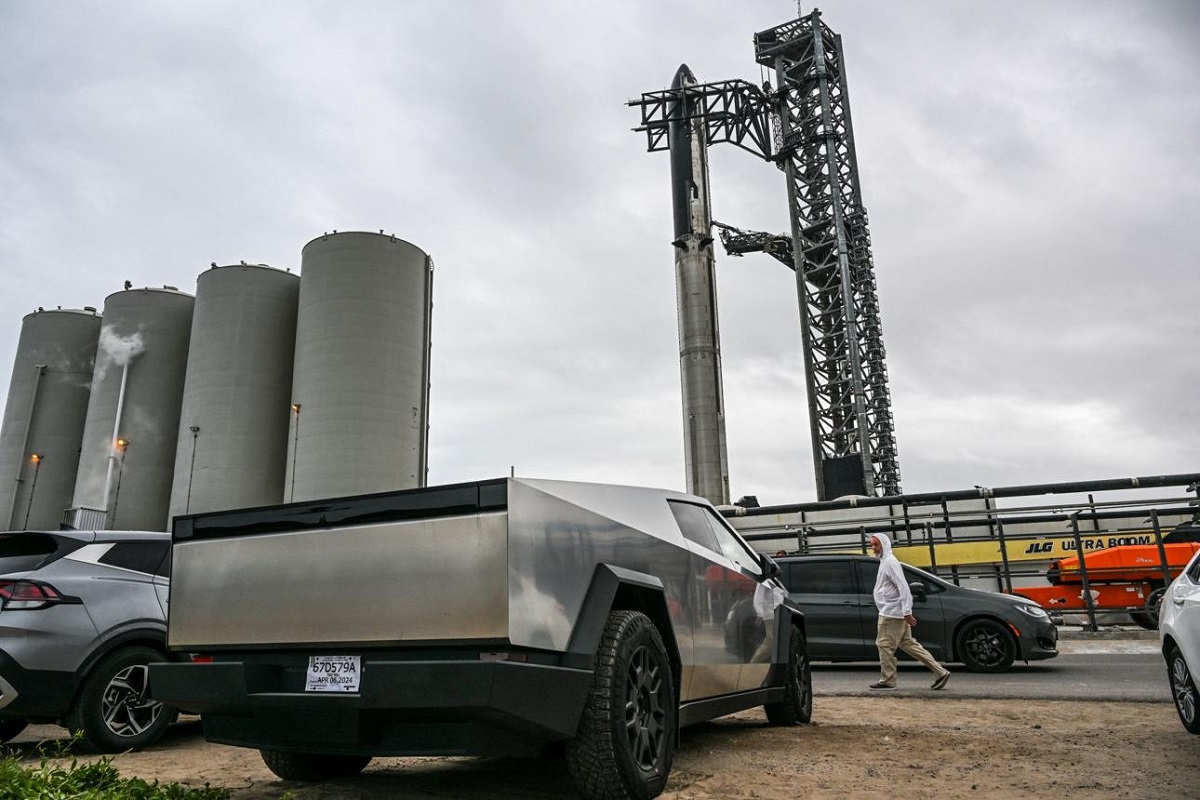
From 250,000 Annual Sales to a Factory Wind-Down
Tesla unveiled the Cybertruck in 2019 with an angular stainless-steel body that departed sharply from the design of conventional pickup trucks.
Musk presented it as an electric alternative to established American trucks, promising unusual durability, strong performance and advanced technology.
Its original presentation attracted considerable attention, including an incident in which a demonstration intended to show the strength of its windows instead cracked the glass.
Production took longer than initially expected. Tesla eventually began delivering vehicles in November 2023, and the truck quickly became one of the most recognisable products in the electric vehicle industry.
Public interest did not translate into the sales Musk anticipated.
Automotive research firm Kelley Blue Book estimates that Tesla sold 38,965 Cybertrucks in the United States in 2024, followed by 20,237 in 2025, a decline of approximately 48%.
Sales fell another 28% during the first nine months of 2026 compared with the same period a year earlier.
Those figures contrast sharply with Musk’s earlier expectation that Tesla could eventually produce and sell approximately 250,000 Cybertrucks annually.
Price changes complicated its appeal. Tesla initially promoted an entry-level version costing less than $40,000 during the 2019 unveiling, but the model reached customers at substantially higher prices.
The truck also encountered repeated quality and safety problems. According to the US National Highway Traffic Safety Administration, Tesla has issued 11 Cybertruck recalls since deliveries began.
Some recalls required owners to visit service centres for physical repairs, while Tesla addressed others through software updates.
Its unusual construction also restricted overseas opportunities. European pedestrian-safety requirements created substantial obstacles to approving the vehicle for sale, limiting Tesla’s ability to pursue buyers in a major electric vehicle market.
Still, the Cybertruck’s problems do not exist in isolation. Other manufacturers have also struggled to generate strong demand for electric pickup trucks in the United States.
Its sales performance reflects both difficulties specific to Tesla’s design and pricing and broader consumer hesitation about electric trucks.
READ ALSO:
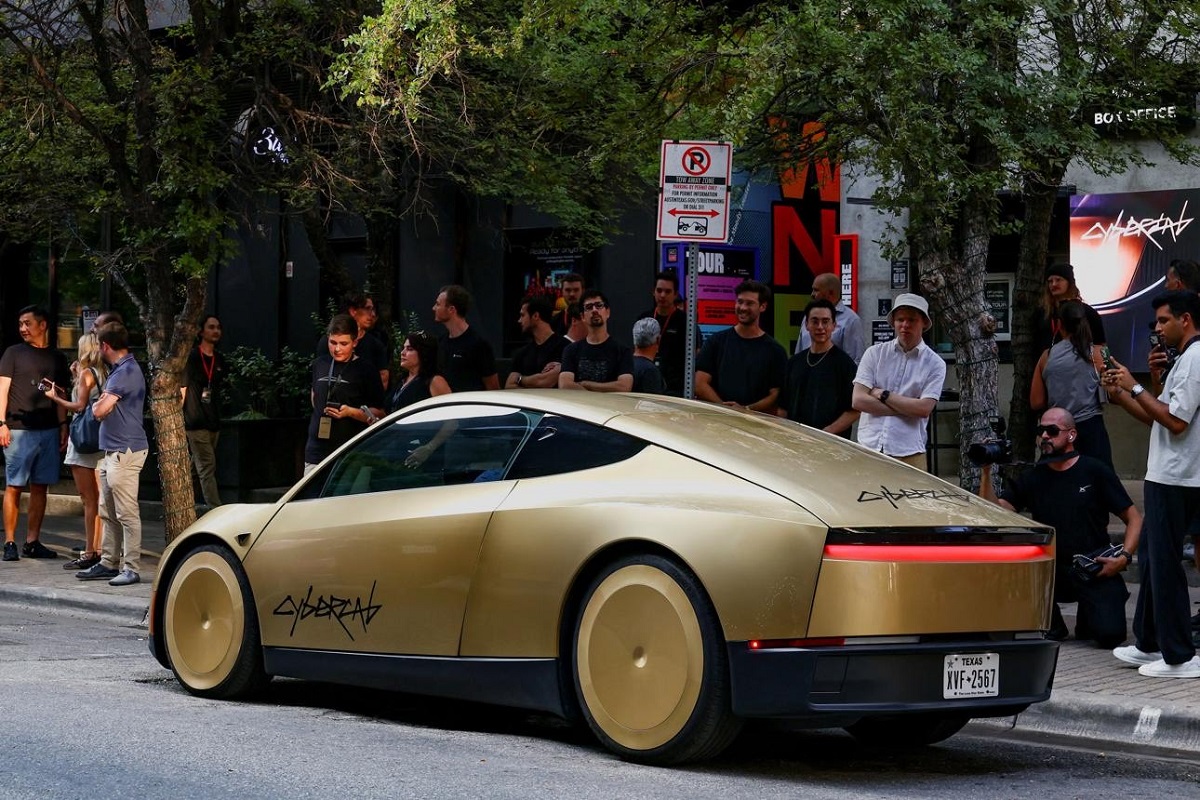
Musk’s Next Bet Still Faces Regulatory Questions
Tesla now intends to dedicate more of its Texas production capacity to the Cybercab, a two-seat autonomous vehicle designed without a conventional steering wheel or pedals.
Unlike the Cybertruck, which targets individual buyers seeking a distinctive electric pickup, the Cybercab forms part of Musk’s plan to develop a large commercial network of driverless taxis.
Tesla began offering paid rides in a small fleet of Cybercabs in Austin in September 2026, marking an early commercial step after years of ambitious promises about autonomous driving.
The company has listed installed annual production capacity exceeding 125,000 Cybercabs, although that manufacturing capacity does not mean Tesla has produced or deployed the same number of vehicles.
Reuters reported that approximately 570 of the more than 1,200 Tesla robotaxis operating in Texas were Cybercabs, citing the state’s Department of Motor Vehicles. Other vehicles in the programme were primarily Model Y cars.
Regulatory approval remains a challenge.
In September, the National Highway Traffic Safety Administration opened an audit examining Tesla’s self-certification of the Cybercab under federal vehicle safety standards.
The review concerns the company’s demonstration that its unusual vehicle design complies with applicable requirements.
Tesla must address those questions even as it plans to increase production.
Cybertruck lead engineer Wes Morrill responded to Musk’s announcement by describing the pickup as an important technological development programme whose innovations would continue in the Cybercab.
Musk also acknowledged the significance of the change, calling the planned wind-down the end of an era while maintaining that the Cybertruck remains Tesla’s best vehicle.
Existing Cybertrucks will remain on the roads, and Tesla has indicated that it intends to continue supplying replacement parts and servicing vehicles already sold.
However, the production decision highlights a major shift in the company’s priorities.
Tesla is reducing the manufacturing footprint of a vehicle it spent years developing to expand capacity for an autonomous transport business that has yet to demonstrate the scale or financial performance Musk envisions.
The Cybertruck reached customers and established a recognisable place in automotive design, but its commercial results fell well short of Tesla’s early ambitions.
Cybercab now faces its own test. Manufacturing more vehicles will matter only if Tesla can satisfy regulators, attract paying passengers and operate its autonomous fleet economically.
Musk’s latest announcement does not officially end the Cybertruck. It does show which vehicle Tesla considers more important to its next phase of growth.

Joy Onuorah is a business journalist and brand communications specialist covering financial markets, artificial intelligence, digital economy, and the ideas reshaping business across Africa and the global market. Beyond her reporting for TheWill, Joy uses brand strategy, storytelling, copywriting, and high-value SEO to help brands build lasting market authority.
