
-
Artificial intelligence features in 55% of reported cybercrime cases across Africa, according to INTERPOL’s 2026 assessment.
-
Reported cybercrime losses rose from $192 million in 2024 to $484 million in 2025.
-
Large corporations accounted for 70.69% of cybersecurity spending in 2025, leaving smaller businesses with tighter protection budgets.
-
Foreign-currency software costs and new data regulations are increasing financial pressure on African businesses.
November 06, (THEWILL) – Cybercriminals are using artificial intelligence to imitate familiar voices, produce convincing messages and automate fraud on a scale that makes traditional security measures increasingly difficult to rely on. African businesses now face a more complicated and expensive task of protecting their money, customers and digital operations.
INTERPOL’s African Cyberthreat Assessment Report 2026, published in August, found that AI played a role in approximately 55% of reported cybercrime cases across the continent.
The organisation also recorded an increase in reported financial losses from $192 million in 2024 to $484 million in 2025, reflecting the growing damage associated with digital crime.

A new report by Heirs Technologies, released on November 2, examines how these threats affect businesses in Nigeria, Kenya and South Africa, where expanding digital payments, online commerce and technology adoption have created opportunities for criminals alongside legitimate economic growth.
Titled Africa’s Cybersecurity Landscape 2026, the report identifies AI-assisted fraud, foreign-currency software pricing and stricter regulatory requirements among the pressures confronting organisations.
Companies must now consider not only how to prevent cyberattacks, but also how much protection they can afford as attackers gain access to tools that make fraudulent activities easier to organise and harder to recognise.
How AI Is Changing Cybercrime
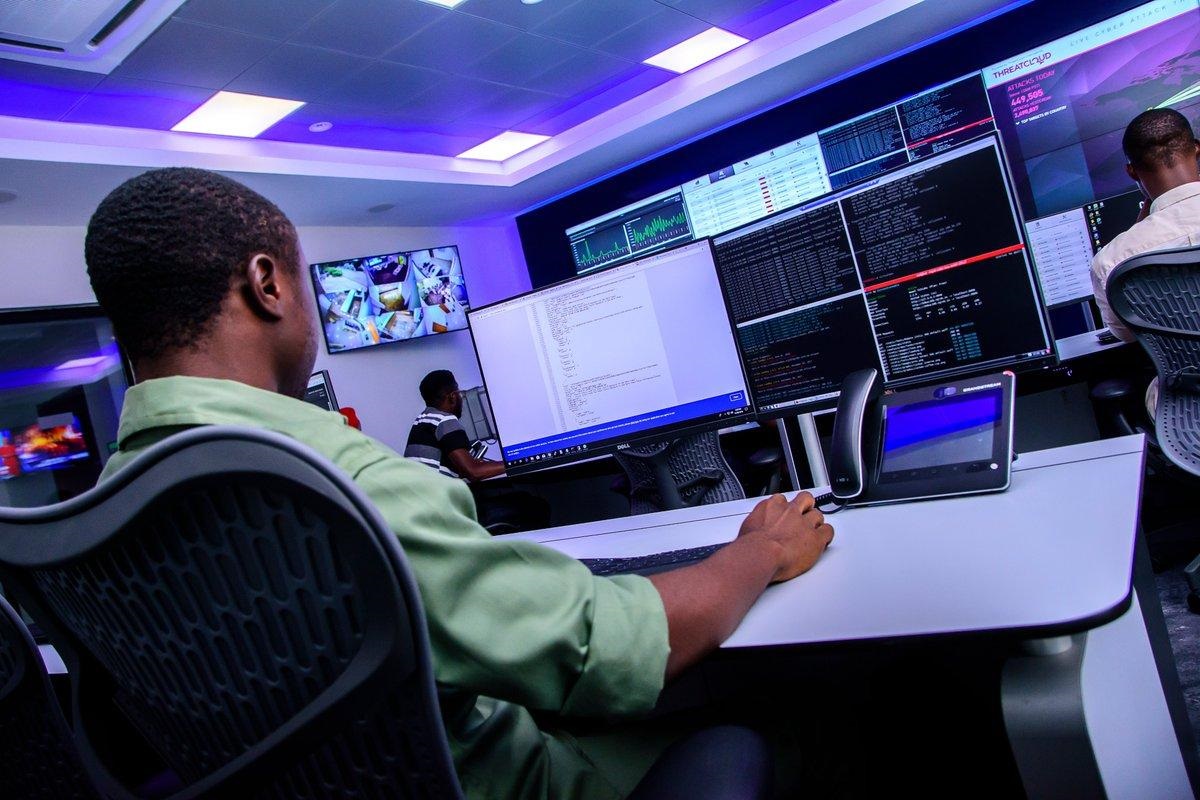
A fraudulent email once needed convincing language and some knowledge of its intended recipient. AI can now help criminals produce personalised messages, translate them into different languages and imitate the writing styles of colleagues or business partners.
Voice-cloning and deepfake technologies introduce another danger. Criminals can create audio or video that resembles a trusted individual, potentially persuading employees to disclose confidential information, approve transactions or bypass ordinary verification procedures.
INTERPOL’s assessment, which drew on information from 36 African member countries, identified business email compromise, financial fraud, credential theft and AI-assisted impersonation among the continent’s major cyber threats.
Its findings show how attackers increasingly combine familiar fraud techniques with newer technology rather than relying entirely on previously unseen methods.
In a business email compromise scheme, for example, criminals may gain access to correspondence or impersonate a supplier before requesting payment into an account they control. AI can help them reproduce familiar communication patterns and prepare convincing responses when the recipient asks questions.
Financial institutions, logistics companies, retailers and small businesses that routinely exchange payment instructions face exposure to such attempts.
Heirs Technologies cites research showing that AI-generated phishing messages can achieve considerably higher engagement than conventional fraudulent emails. Such findings suggest that businesses cannot depend on employees recognising suspicious wording or obvious mistakes.
Protection requires stronger identity verification, restrictions on sensitive transactions, employee training and procedures that allow organisations to confirm unusual requests through independently verified communication channels.
The growing sophistication of attacks also creates more work for security teams. Automated monitoring systems must identify suspicious activity, analysts must investigate alerts, and organisations need reliable ways to restore operations when criminals compromise their systems.
However, the available research does not establish how much of Africa’s rising cybersecurity expenditure results specifically from AI-assisted attacks. Currency movements, expanding digital infrastructure and regulatory obligations also influence the cost of protection.
READ ALSO:
Price Of Protection Excludes Many Smaller Businesses
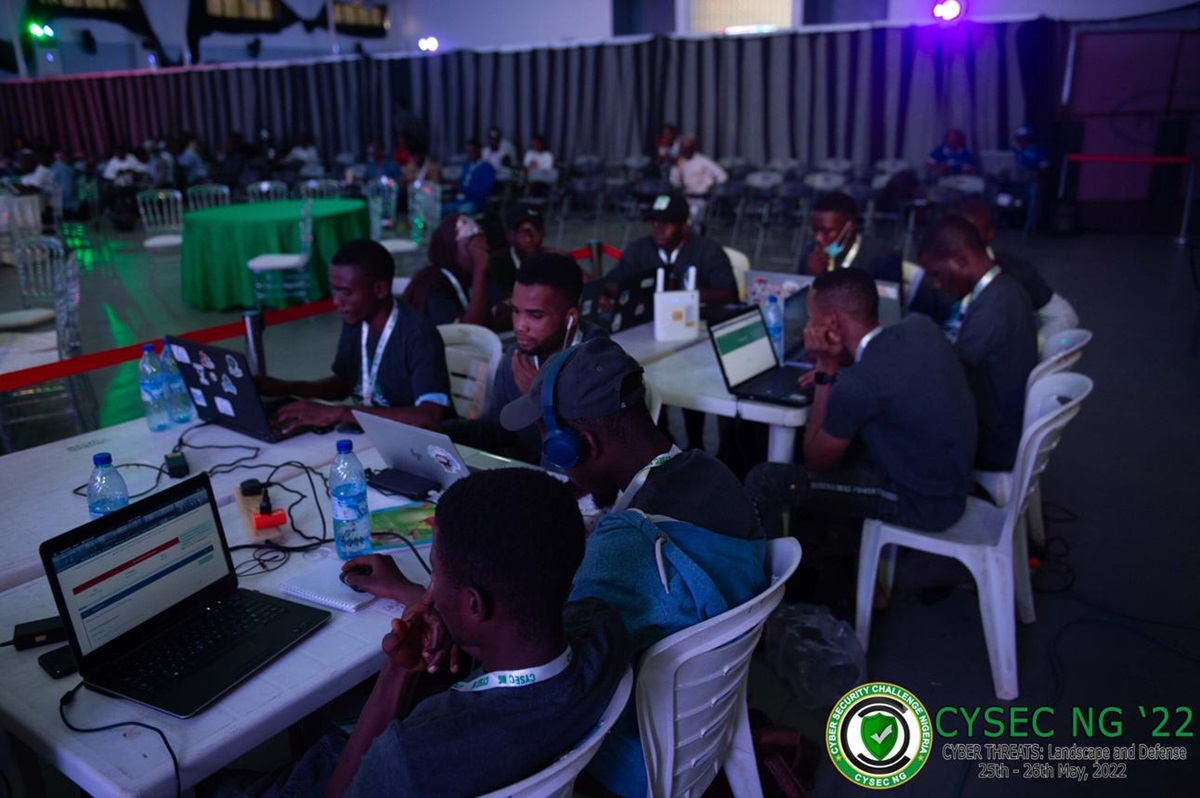
Cybersecurity has become a significant business expense, particularly for organisations that process payments, store customer information or depend on uninterrupted digital services.
Heirs Technologies found that large corporations accounted for 70.69% of cybersecurity spending in 2025, leaving smaller organisations with a much smaller share of the market.
Bigger companies can spread security expenses across extensive operations and employ dedicated teams to monitor threats. Smaller enterprises often depend on a few employees, outsourced technology providers or basic software subscriptions.
Many of those tools carry prices in dollars or euros. An African business paying for imported security software can therefore face a higher bill in its local currency without purchasing additional protection.
Currency depreciation, subscription renewals and the cost of specialised personnel can further strain security budgets.
Heirs Technologies reports that some organisations respond by limiting their use of security products or leaving purchased tools underutilised. Such decisions may reduce expenditure immediately while weakening their ability to detect and contain attacks.
The report estimates that organisations seeking continuous security monitoring may need eight to twelve dedicated analysts to operate a fully staffed security operations centre, a level of investment beyond the reach of many smaller businesses.
Against this background, spending by small and medium-sized enterprises is projected to grow by 14.87% annually through 2031, making the segment one of the fastest-growing areas of the cybersecurity market.
Heirs Technologies also forecasts that Africa’s cybersecurity market will expand from approximately $760 million in 2026 to $1.42 billion by 2031. Nigeria’s market could grow from $253 million to $414 million during the same period.
Those projections indicate rising demand, although increased spending does not guarantee stronger security.
Businesses must consider the coverage they receive, the technical expertise of their providers, the time required to investigate incidents and their ability to recover after an attack.
Heirs Technologies recommends locally delivered managed security services, including shared monitoring operations and subscription arrangements that allow businesses to pay in local currencies.
Such services could reduce the need for every company to maintain a full security department. However, their actual affordability and effectiveness would depend on pricing, service quality and the provider’s ability to respond when incidents occur.
The company supplies technology and cybersecurity services, making its recommendations commercially relevant to its business. Independent assessments would be necessary to establish which arrangements offer customers better protection at lower costs.
New Data Rules Add To Financial Burden

Regulatory changes are introducing further demands on businesses already managing rising cybersecurity risks.
In Nigeria, the Central Bank has directed affected banks, fintech companies and payment service providers to store and manage critical payment transaction data within the country by January 1, 2027.
The requirement aims to improve regulatory oversight and strengthen control over sensitive financial information. Meeting it may require businesses to review technology contracts, migrate relevant systems, strengthen local infrastructure and test their ability to maintain uninterrupted services.
A survey presented by the National Information Technology Development Agency in October found that 26 of 44 responding financial institutions had completed the necessary steps or expected to finish before the deadline.
Another 15 considered themselves unlikely to meet the requirement, while three could not assess their readiness. Researchers gathered the information through self-reported responses rather than a formal compliance inspection.
The findings reveal the scale of preparation still required within the surveyed institutions.
Companies must also consider how local data storage interacts with existing cybersecurity arrangements. Moving information to domestic infrastructure does not automatically protect it against fraud, ransomware or unauthorised access.
Businesses still need effective controls over who can access information, how systems communicate and how quickly security teams can identify suspicious activity.
Compliance work could also increase demand for local data centres, cybersecurity specialists and technology service providers, creating opportunities within Nigeria’s digital economy.
Yet smaller firms operating across multiple African countries may face additional complexity as governments adopt different requirements for storing and processing sensitive information.
Heirs Technologies identifies greater regulatory coordination and locally available security services as potential ways to reduce these difficulties.
The broader challenge extends beyond the growth of cybersecurity companies. African businesses increasingly depend on digital systems to receive payments, serve customers and manage daily operations, making effective protection an essential operating requirement.
AI has made some forms of cybercrime faster, more convincing and easier to repeat. Defending against those attacks now demands stronger processes, skilled personnel and technology that many businesses must purchase in foreign currencies.
As the continent’s cybersecurity market expands, the commercial opportunity for security providers will continue to grow. Businesses, however, will judge that growth by something more immediate than market projections, particularly their ability to protect customers and financial transactions without allowing security expenses to overwhelm their operations.

Joy Onuorah is a business journalist and brand communications specialist covering financial markets, artificial intelligence, digital economy, and the ideas reshaping business across Africa and the global market. Beyond her reporting for TheWill, Joy uses brand strategy, storytelling, copywriting, and high-value SEO to help brands build lasting market authority.
