
-
Helium Health receives a $2.5 million Google.org grant to introduce clinical AI into maternal healthcare across four Nigerian states.
-
Its HeliumMum programme aims to reach another 1.9 million women over three years and contribute to a 30% reduction in maternal mortality.
-
AI tools will support early risk identification, clinical decisions, patient referrals and digital health records.
-
Nigeria recorded approximately 75,000 maternal deaths in 2023, accounting for nearly 29% of the global total.
November 5, (THEWILL) – A Nigerian health technology company is preparing to use artificial intelligence to help health workers recognise pregnancy complications earlier, backed by a $2.5 million grant from Google.org.
Helium Health announced the funding on Wednesday, November 4, as part of Google’s $30 million Impact Challenge for AI in Government Innovation. The programme selected the company from 15 organisations globally and supports technology projects developed in partnership with public institutions.
Its maternal healthcare initiative, HeliumMum, will deploy AI-supported clinical tools across Lagos, Delta, Kano and Oyo states, with Lagos serving as the initial operational centre.

Representatives of Google and Helium Health presented the implementation plan to Lagos State Governor Babajide Sanwo-Olu during a meeting at Lagos House, Marina.
Unlike consumer chatbots that provide general health information, the proposed system aims to support healthcare delivery. It will help identify potential pregnancy risks, connect women to appropriate medical services and provide clinicians with digital records and decision-support tools.
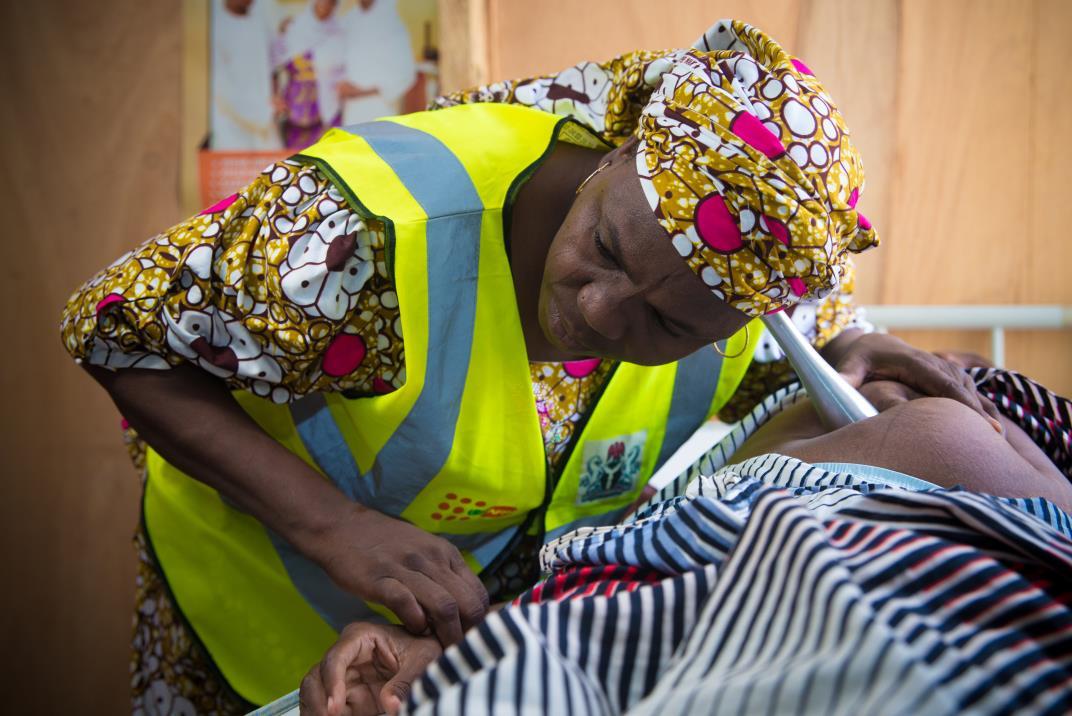
How AI Will Support Pregnancy Care
Pregnancy complications can become life-threatening when warning signs are missed, referrals are delayed, or healthcare facilities lack the information needed to make timely decisions.
HeliumMum is being developed to address parts of that process. According to Helium Health, its AI tools will help pregnant women identify potential risks and connect them with healthcare providers using electronic medical records and AI-assisted clinical decision support.
Digital patient information could enable healthcare workers to follow a woman’s medical history and identify conditions requiring closer attention. Clinical decision-support software could also assist providers in recognising risks and determining when additional assessment or referral is necessary.
Helium Health says the programme will provide governments with information that could help identify gaps in maternal services and improve planning.
However, its effectiveness will depend on how reliably the technology performs in real clinical settings. Pregnancy-related warning signs require medical assessment, and software recommendations cannot replace trained professionals, functioning referral systems or emergency obstetric care.
Questions also remain about the models’ clinical validation, the handling of sensitive patient information, availability in local languages and how health workers will respond when AI recommendations conflict with their own assessments. Helium Health’s November 4 announcement did not provide detailed answers to those implementation questions.
Alongside financial support, Google.org will provide access to an accelerator programme involving Google engineers and AI product specialists.
READ ALSO:

A $2.5m Intervention Against a Much Larger Crisis
Nigeria accounted for an estimated 75,000 of the world’s maternal deaths in 2023, according to the United Nations Maternal Mortality Estimation Inter-Agency Group.
Its estimated maternal mortality ratio stood at 993 deaths per 100,000 live births, far above the Sustainable Development Goal target of fewer than 70 by 2030.
Limited access to skilled medical personnel remains a major challenge. UN data indicates that only 45.7% of births in Nigeria were attended by skilled health personnel in 2024.
Helium Health says its existing maternal health programmes have reached more than 3.5 million women. With the new investment, the company wants to reach an additional 1.9 million over three years and contribute to a 30% reduction in maternal mortality.
Dr Shona Oluwatola, the company’s Head of Public Health, said the objective was to prevent women from dying because pregnancy risks went undetected or appropriate medical care was inaccessible.
Chief Executive Officer Dimeji Sofowora described the grant as an opportunity to expand the company’s existing maternal healthcare interventions.
Those targets are ambitious, although reaching 1.9 million women does not automatically establish that maternal deaths have declined. Measuring the programme’s impact will require evidence of improved risk detection, completed referrals, timely treatment and clinical outcomes.
Google.org’s funding provides an opportunity to test how artificial intelligence can strengthen maternal healthcare delivery in Nigeria. Results from the participating facilities will determine how much of that promise translates into safer pregnancies and childbirth.

Joy Onuorah is a business journalist and brand communications specialist covering financial markets, artificial intelligence, digital economy, and the ideas reshaping business across Africa and the global market. Beyond her reporting for TheWill, Joy uses brand strategy, storytelling, copywriting, and high-value SEO to help brands build lasting market authority.
