
-
Maturing OMO bills and bond interest could release ₦2.59 trillion this week.
-
The payments could increase cash available for reinvestment.
-
Stronger demand for new investments can push offered returns lower.
-
CBN intervention could absorb cash before that pressure builds.
September 28, (THEWILL) – Nigeria’s financial system is expected to receive approximately ₦2.59 trillion from maturing central-bank bills and government bond interest this week, potentially increasing competition for investments just as savers look for attractive returns.
The projection comprises ₦2.43 trillion in Open Market Operations bill repayments and about ₦164 billion in bond coupons, according to a Punch report published on September 28. These are expected payments, rather than confirmed inflows already received.
For investors whose holdings are maturing, receiving their money back creates a new decision. They must find somewhere to reinvest it, potentially alongside many others seeking similar instruments.

If the cash available grows faster than the supply of investments, investors may accept lower returns to secure an allocation.
Repayments Return Money to the Market
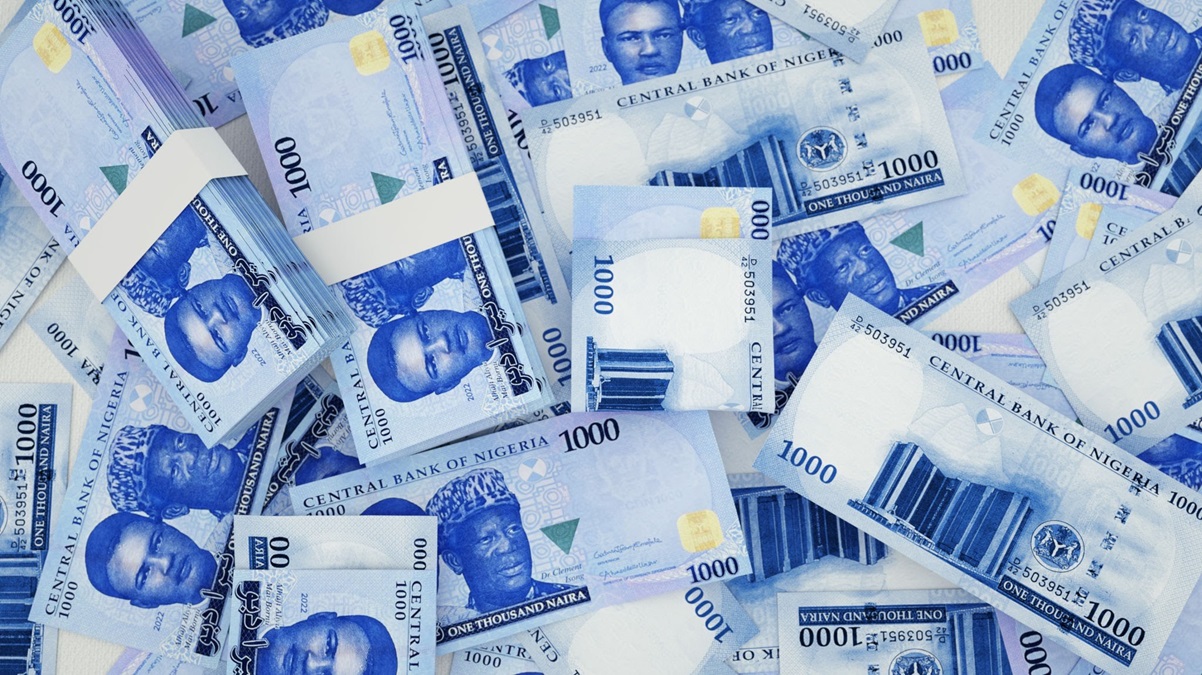
OMO bills are instruments the Central Bank of Nigeria uses to manage liquidity, meaning the cash available within the financial system. Selling bills absorbs money from buyers, while repayment at maturity releases it back to holders. The CBN identifies OMO as a principal liquidity-management tool.
Bond coupons are interest payments to investors. Together, these payments give recipients cash they can reinvest, retain or spend.
The projection starts from reported system liquidity of ₦5.98 trillion at the end of last week. Adding the expected payments produces approximately ₦8.57 trillion, but that figure is conditional. It does not account for every withdrawal or intervention that could occur during the week. The underlying maturity schedule has not been independently verified for this report.
The CBN could sell additional bills to absorb cash. Consequently, the amount entering the system will not necessarily equal the increase remaining available afterwards.
READ ALSO:
Savers and Borrowers Face Different Outcomes
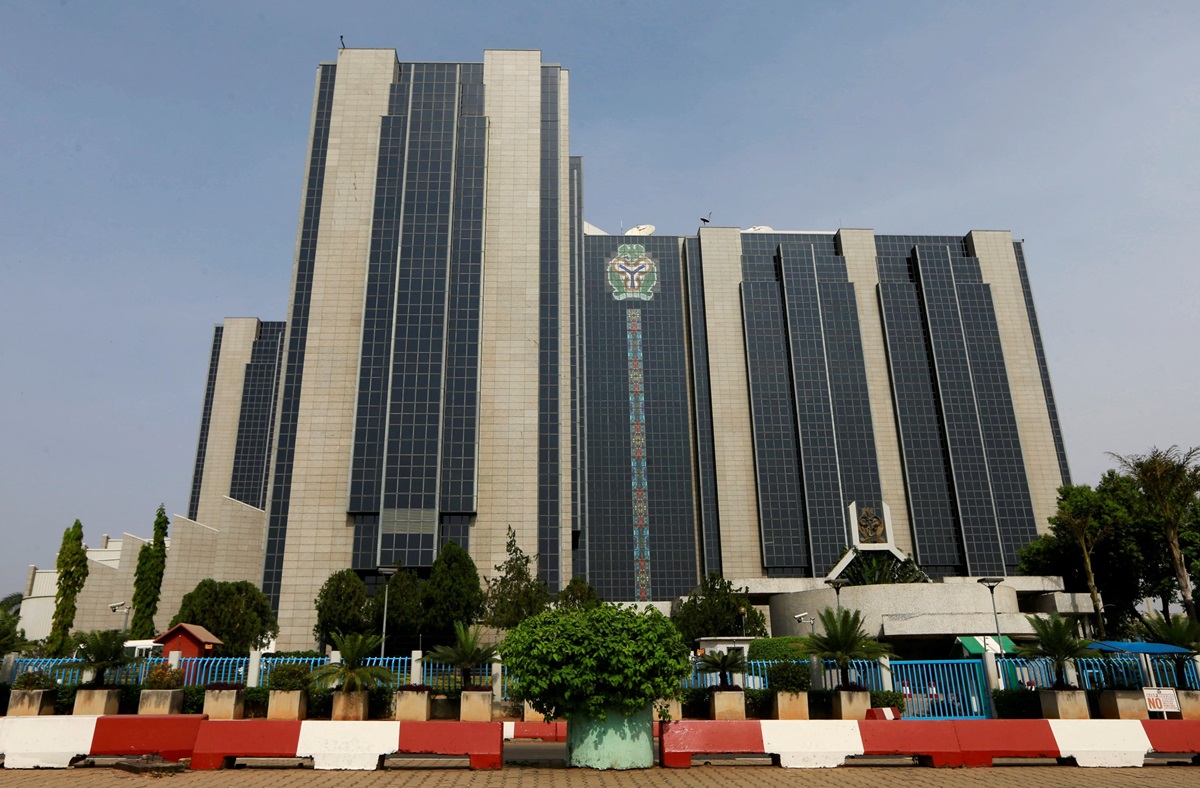
For someone renewing a fixed deposit, more cash in the banking system can reduce banks’ incentive to compete aggressively for additional deposits. The rate offered on renewal could therefore fall, although individual banks’ funding needs will differ.
An existing fixed-rate investment generally retains its agreed return until maturity. The immediate exposure is the rate available when the money must be invested again.
Consider a hypothetical saver renewing ₦1 million for a year. A reduction from 18% to 16% would cut gross simple interest from ₦180,000 to ₦160,000. That ₦20,000 difference illustrates reinvestment risk, not a forecast of bank pricing.
Borrowers may hope the same cash inflow produces cheaper loans, but available cash alone does not determine lending decisions. Banks also assess repayment prospects, collateral and the returns available from other assets.
A 2025 study published in the CBN’s Bullion journal found that persistent liquidity surpluses could weaken the relationship between short-term market rates and the policy framework.
That historical finding helps explain why additional cash does not translate neatly into uniform changes across deposit and lending rates.
This week’s practical test will be the rates banks actually offer and the yields investors accept after the payments arrive and the CBN responds.

Joy Onuorah is a business journalist and brand communications specialist covering financial markets, artificial intelligence, digital economy, and the ideas reshaping business across Africa and the global market. Beyond her reporting for TheWill, Joy uses brand strategy, storytelling, copywriting, and high-value SEO to help brands build lasting market authority.