
-
Nigeria’s rate cut drew strong demand for one-year Treasury bills.
-
Nigerian equities gained, although returns varied sharply across stocks.
-
US borrowing costs climbed as Nigeria’s rates fell.
-
Oil retreated on Friday, while AI expansion brought hefty spending commitments.
September 28, (THEWILL) – Nigeria’s rate cut made holding cash less rewarding just as rising US bond yields made dollar assets more competitive. For investors opening their screens this Monday, those competing forces deserve attention alongside the stock-market rally.
Here are ten developments from last week and what to examine before placing this week’s trades.
1. CBN Cut Rates but Kept Reserve Requirements Intact
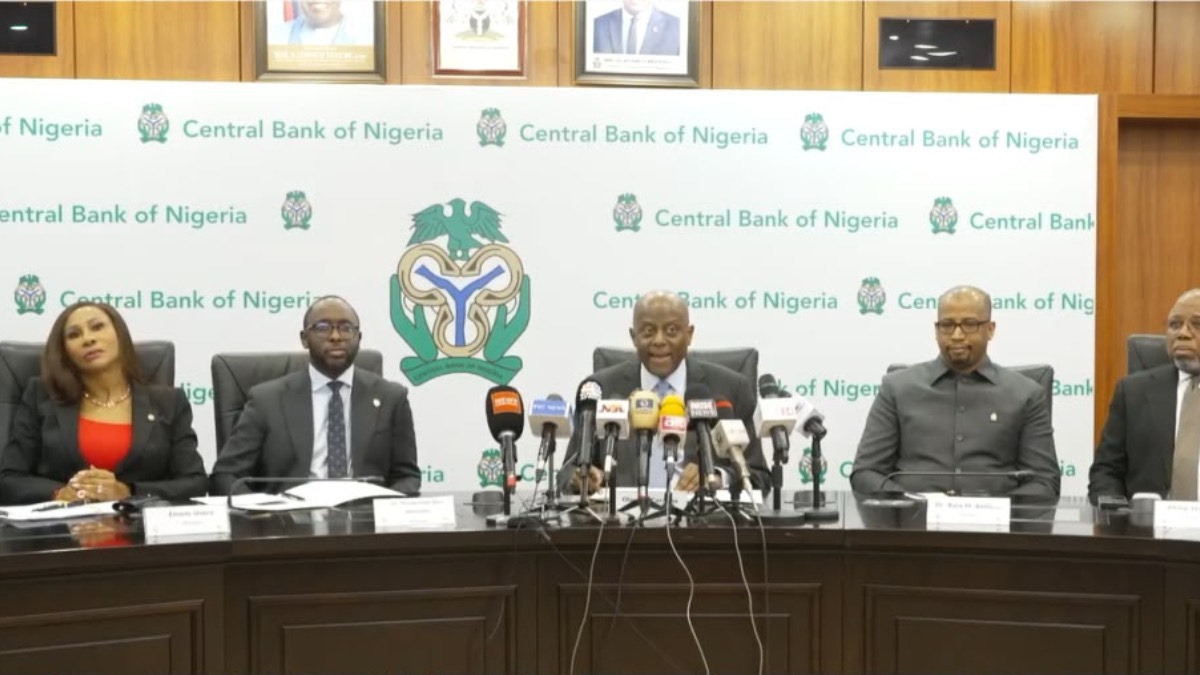
Tuesday’s decision lowered the benchmark from 26.5% to 23%, while retaining commercial banks’ cash reserve requirement at 45%. Businesses cannot assume their loan rates will fall by the same amount. Bank pricing and access to credit remain separate tests of the policy’s effect.

2. One-Year Treasury Bills Drew Most of the Money
Wednesday’s auction attracted ₦4.09 trillion in bids for ₦400 billion of 364-day bills, despite the stop rate falling to 15.89%. Shorter tenors were undersubscribed. Investors showed a strong preference for securing longer returns as the income available on new bills declined.
3. Nigerian Stocks Gained Despite Friday’s Dip
 The All-Share Index rose 0.92% over the week to 252,113.41 points. Friday’s 0.01% decline ended eleven consecutive sessions of gains, although 39 stocks advanced against 27 losers. The index’s slight retreat therefore concealed a positive day for more individual stocks.
READ ALSO:
4. Energy Stocks Delivered Sharply Different Returns
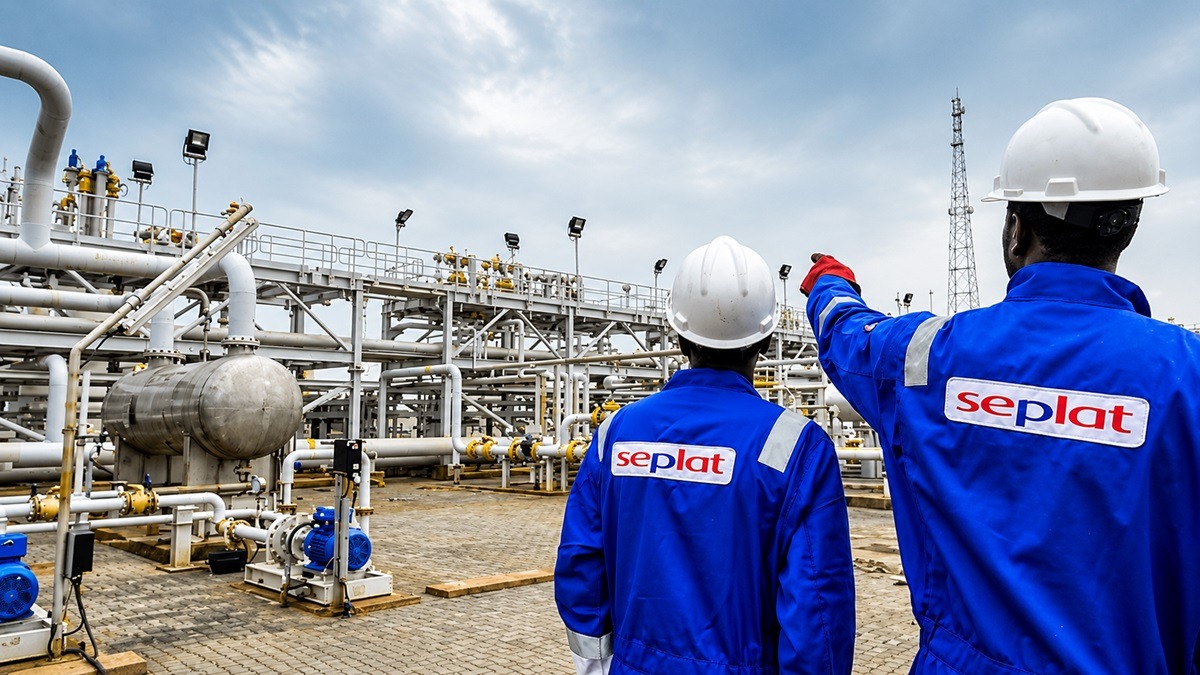
Seplat gained about 7.3% during the week, while TotalEnergies Marketing Nigeria lost 10%. An oil producer and a fuel marketer face different costs and earnings drivers. Crude-price headlines alone cannot explain what investors should expect from either company.
5. Nigeria’s FTSE Return Took Effect
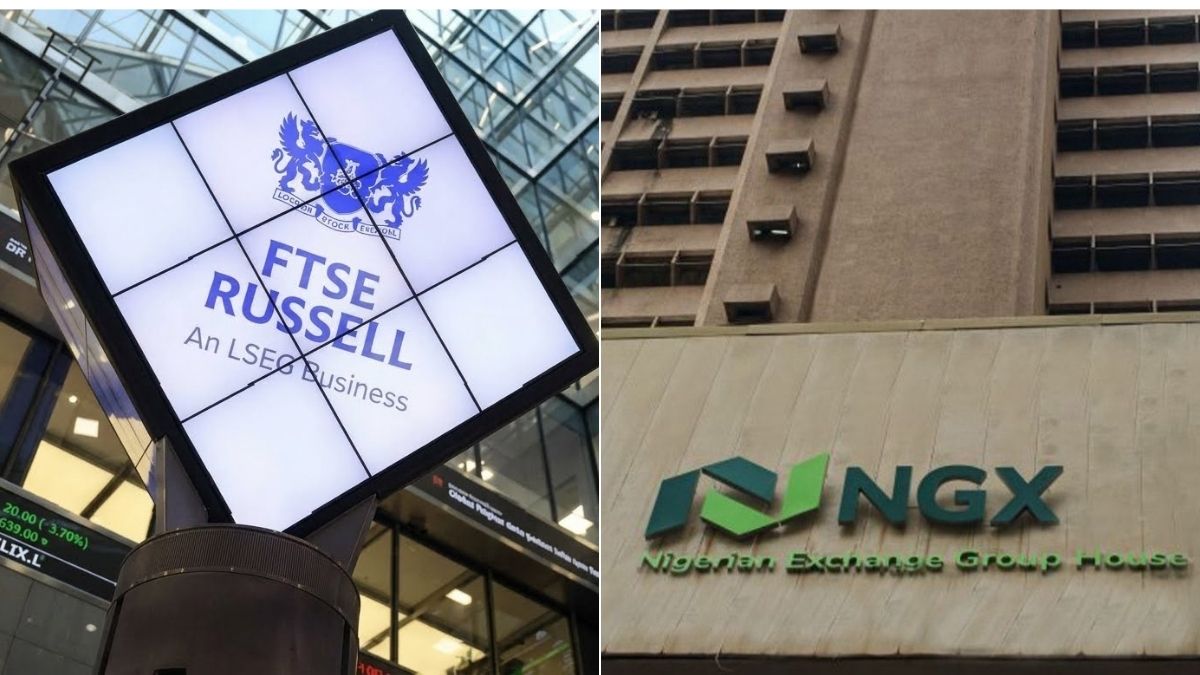
Nigeria regained FTSE Russell Frontier market status on September 21, implementing an earlier announcement. The change improves eligibility for relevant investment mandates. Evidence of actual foreign purchases is still needed before attributing market gains to fresh overseas inflows.
6. Sterling Shareholders Faced a Trading Suspension
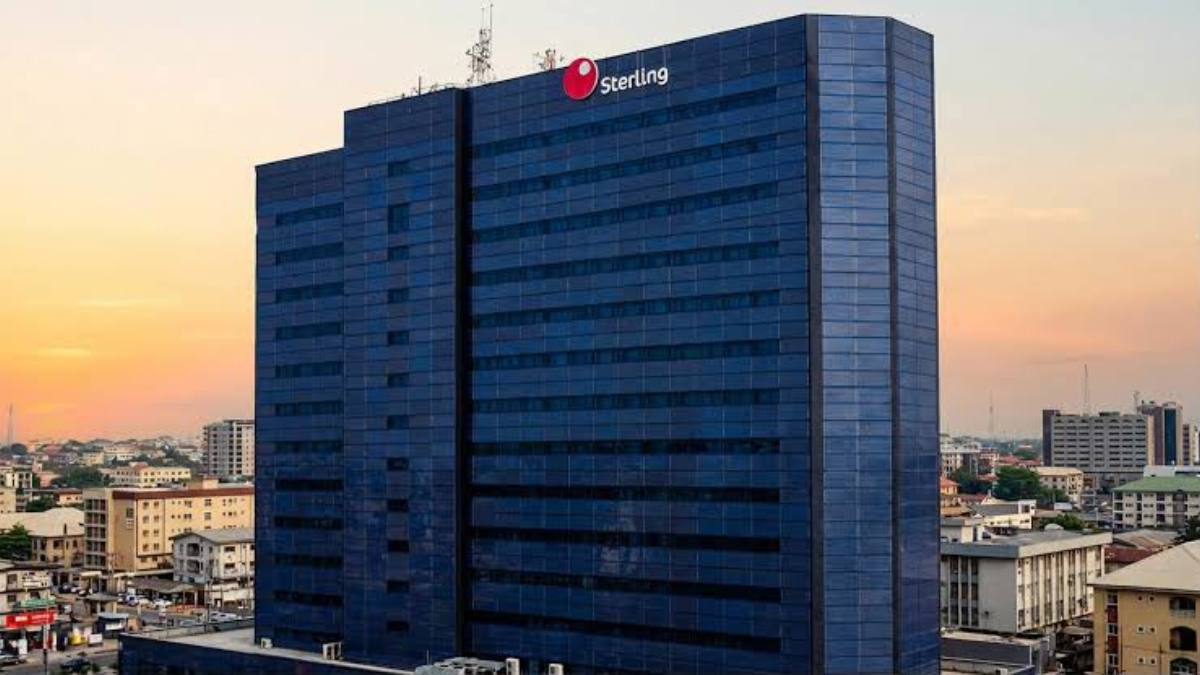
Trading in Sterling Financial Holdings was suspended from September 23 for reconciliation ahead of reconstructed shares being listed. Shareholders should check their updated holdings and the exchange’s resumption notice before planning transactions using the previous share count or quoted price.
7. The Naira Held Steady, With Incomplete Turnover Data
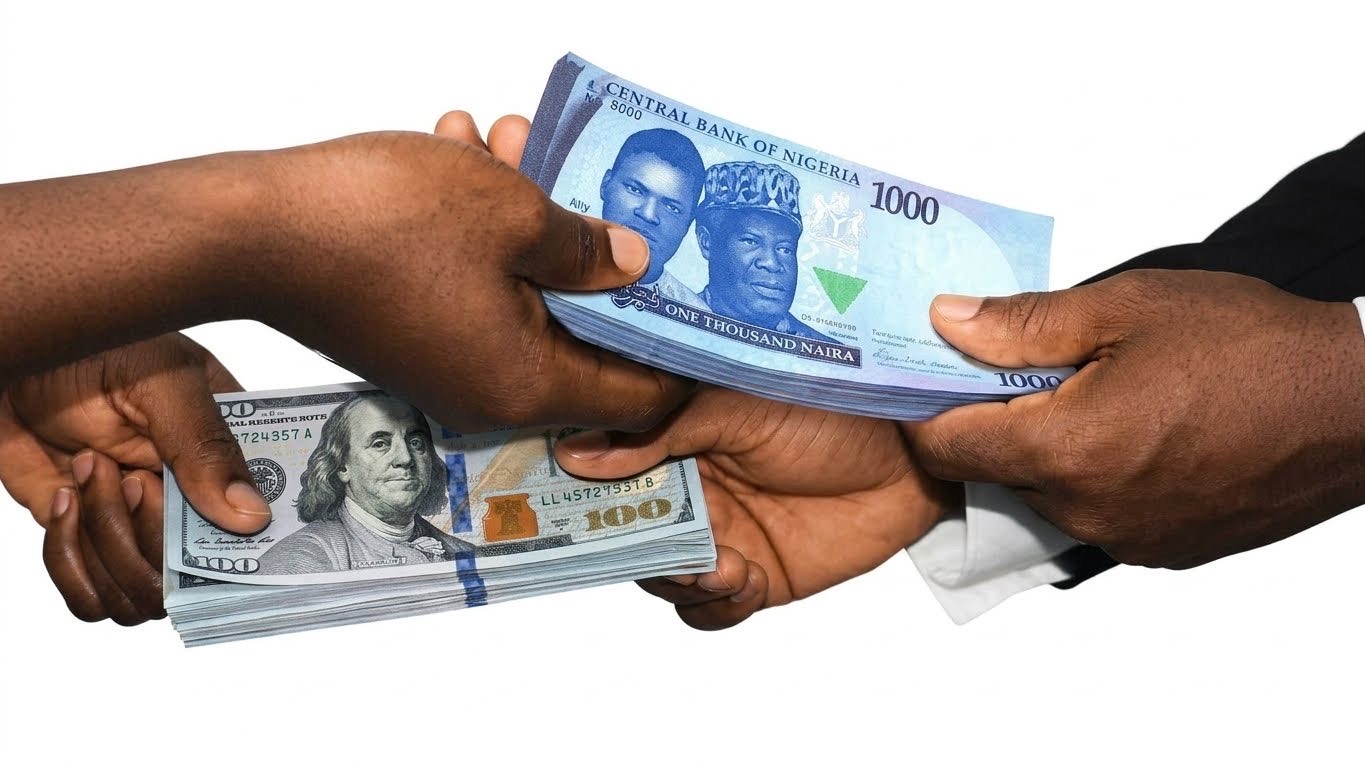
Friday’s reported weighted-average rate was ₦1,329.51 per dollar, against ₦1,329.80 on Monday. A published weekly turnover comparison, however, excluded Friday’s NFEM figure. That report supports a picture of stable pricing but cannot establish a complete five-day change in trading activity.
8. US Bond Yields Increased Competition for Capital
The US 30-year Treasury yield approached 5.5% during the week, its highest since 2004. Higher US yields can raise the returns investors demand from Nigerian dollar debt. Nigeria’s domestic rate cut consequently offers no automatic relief to its dollar borrowing costs.
9. Oil Retreated Before the Weekend
 Brent settled Friday at $104.32, down 2.1% that day, while WTI closed at $92.41. Reported US-Iran talks helped prices retreat, without establishing a peace agreement. For Nigerian producers and fuel-dependent businesses, both supply disruptions and diplomatic developments remain potential sources of abrupt price changes.
10. AI’s Contract Boom Came With a Spending Bill
Akamai announced Anthropic’s $11.6 billion, seven-year commitment alongside estimated related capital spending of $5.5 billion. It expected no change to 2026 revenue guidance. Investors assessing AI infrastructure companies need to examine how quickly contract revenue can cover the spending required to deliver it.
Before acting on any of these developments, check how much the price has already moved, what could justify a further move and what would make you reconsider the trade.

Joy Onuorah is a business journalist and brand communications specialist covering financial markets, artificial intelligence, digital economy, and the ideas reshaping business across Africa and the global market. Beyond her reporting for TheWill, Joy uses brand strategy, storytelling, copywriting, and high-value SEO to help brands build lasting market authority.