
-
Climate delay is costing the world $1.5trn yearly.
-
Every $1 invested could return $15.
-
144m premature deaths could be avoided by 2050.
-
Nigeria could gain from joining climate and clean-air action.
September 08, (THEWILL) — Every $1 spent tackling climate change and air pollution together could generate about $15 in economic benefits, according to a new UN assessment.
Governments and investors are losing more than $1.5trn in economic benefits every year by delaying action on climate change and air pollution, according to a new assessment by the United Nations Environment Programme and the Climate and Clean Air Coalition.
The annual loss is equivalent to about 0.5 percent of global GDP, while every $1 invested in tackling both problems together could generate around $15 in economic benefits, the report found.

Published on Monday for the International Day of Clean Air for Blue Skies, Hidden Assets: The Economic and Health Case for Climate and Clean Air Action is described as the first comprehensive global economic assessment of integrated climate and clean-air action. UNEP says combining the two agendas produces greater returns than tackling them separately.
Climate Action Is an Economic Opportunity
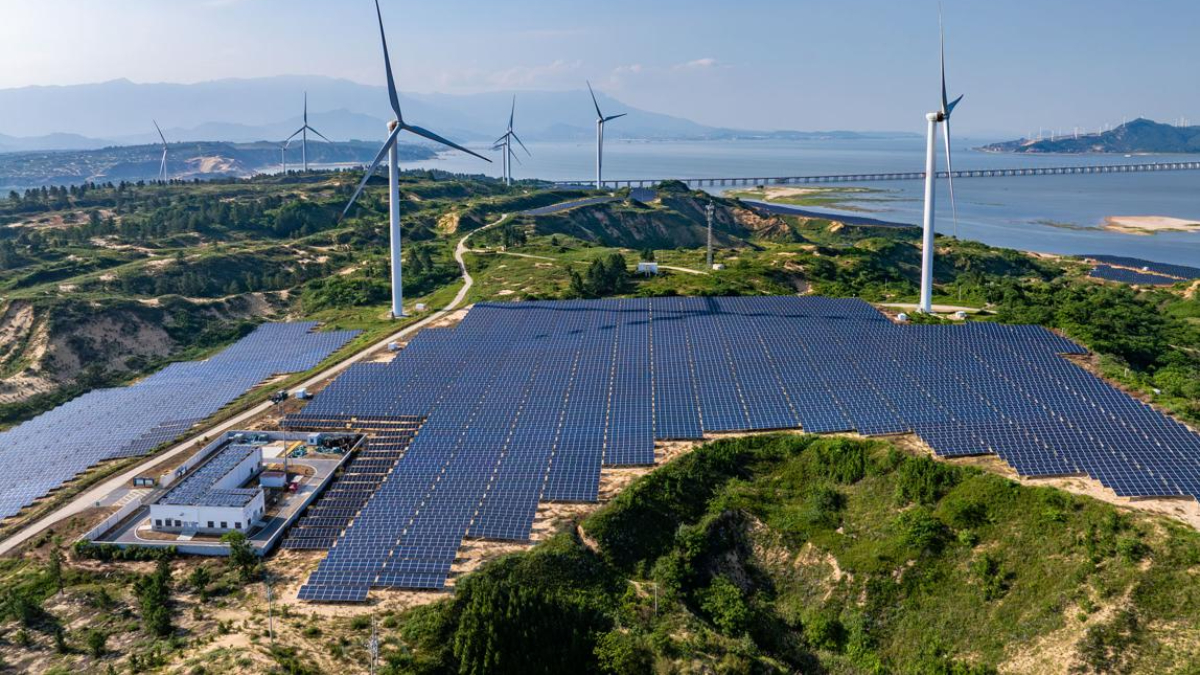
The assessment examined 25 measures across energy and fossil fuel systems, industry, transport, agriculture and food, residential cooking and heating, and waste management.
Annual economic benefits from implementing the measures could reach 2.8 percent of global GDP by 2035, 4.5 percent by 2050 and 11.4 percent by 2100, according to the report. Even after excluding non-market welfare benefits, the return remains about $4 for every $1 invested.
Benefits include lower healthcare costs, higher labour productivity, avoided climate-related damage and the economic value of preventing premature deaths and improving quality of life.
UNEP Executive Director Inger Andersen said the findings challenge the idea that climate action is primarily an economic burden.
“This report shows the opposite: clean air is a key driver of development, health, food and energy security, and climate stability, an asset we must invest in.”
Andersen added that proven solutions already exist, but governments, financial institutions and businesses need to deploy them faster and with greater coordination.
READ ALSO:
Air Pollution Is Already Carrying a Massive Bill
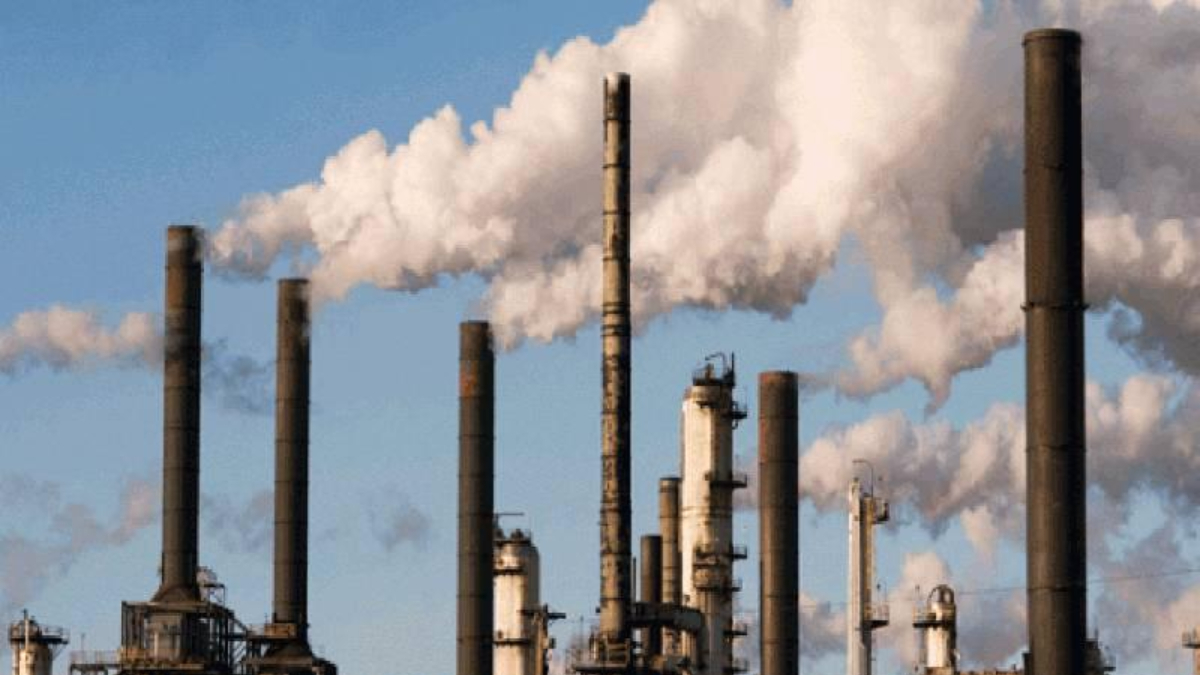
Beyond the climate implications, polluted air is imposing a substantial health and economic burden.
Human-caused outdoor air pollution, particularly fine particulate matter and ozone, was associated with an estimated 6.4 million premature deaths globally in 2025, according to the assessment. Household air pollution accounted for another estimated two million deaths, including about 300,000 children.
Outdoor air pollution was also linked to an estimated 5.5 million new childhood asthma cases and two million new dementia cases in 2025, alongside millions of cases of heart attacks, pulmonary diseases, diabetes, strokes and lung cancer.
Elliott Harris, independent co-chair of the assessment, argued that the scale of the financial return should make integrated climate and clean-air action difficult for investors to ignore.
“A benefit-cost ratio of 15 to 1 would attract capital instantly in almost any other sector.”
Harris said governments and investors are missing part of the return because benefits are spread across healthcare systems, productivity and avoided climate damage rather than appearing on one balance sheet.
144 Million Deaths Could Be Avoided
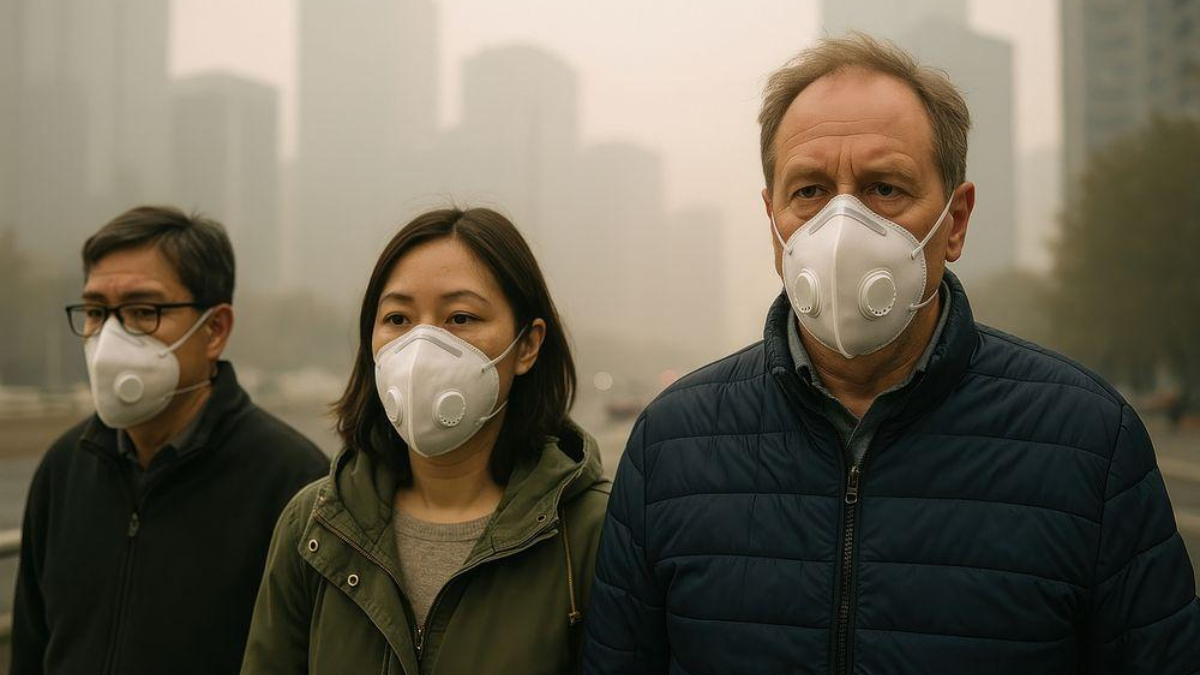
Full implementation of the measures by 2050 could cumulatively prevent 144 million premature deaths linked to air pollution, including 96 million associated with ambient air pollution alone. Hundreds of millions of chronic disease cases could also be avoided.
The climate gains would also be substantial.
Immediate implementation could halve global carbon dioxide emissions by 2050, cut methane emissions by 60 percent and reduce major air pollutants, including black carbon, sulphur dioxide and nitrogen oxides, by about 70 percent.
The measures could also avoid approximately 0.34°C of global warming by 2050 and 1.4°C by 2100. By the end of the century, the assessment projects carbon dioxide emissions could become net negative while major air pollutants decline by as much as 85 per cent.
Simon Dietz, co-chair of the assessment and Professor of Environmental Policy at the London School of Economics, said separating climate policy from air-quality policy understates the potential returns.
“When we modelled them together, the returns were larger than each could show alone, because the same sources, sectors and policies so often drive both.”
Nigeria Faces Its Own Version of the Problem
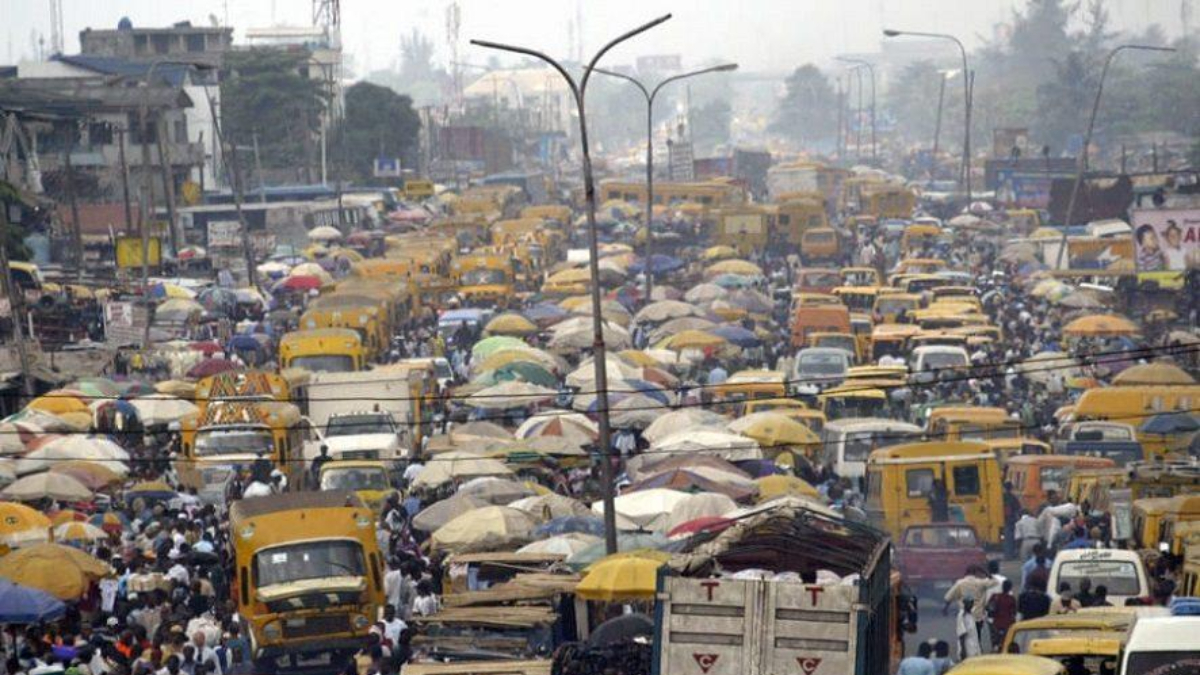
Nigeria stands to benefit from integrated action, but also faces many of the problems highlighted in the assessment.
Air pollution, fossil-fuel dependence, gas flaring, transport emissions, open waste burning and household reliance on polluting cooking fuels remain major environmental and public-health concerns.
The report identifies institutional weaknesses as a bigger obstacle than a lack of available solutions.
Fragmented decision-making, weak enforcement capacity and poor coordination between government institutions could collectively delay full implementation by almost eight years globally.
Removing those barriers through fiscal incentives, stronger regulation and policies that enable private-sector investment in low-emission technologies could accelerate implementation and unlock up to $10trn in additional health benefits by 2040, according to the assessment.
For governments, the report’s argument is ultimately financial as much as environmental. Integrating climate, air quality, health and economic planning could allow countries to capture benefits that are currently scattered across different budgets and institutions.

Joy Onuorah is a business journalist and brand communications specialist covering financial markets, artificial intelligence, digital economy, and the ideas reshaping business across Africa and the global market. Beyond her reporting for TheWill, Joy uses brand strategy, storytelling, copywriting, and high-value SEO to help brands build lasting market authority.