
-
Residents near Mumbai are challenging an Amazon data-centre project.
-
Their concerns include noise and pressure on electricity and water supplies.
-
Amazon says the facility will use water-free cooling and a separate power supply.
-
Global data-centre electricity demand could nearly double by 2030, the IEA projects.
October 09, (THEWILL) – Residents near Mumbai are fighting an Amazon data-centre development, bringing India’s ambition to host more of the world’s computing infrastructure into conflict with people living beside it.
“I would not have bought the house if I had known”, engineer Tushar Shetty told Reuters in a report published on October 9.
The dispute concerns a planned 54-acre facility in Thane. Residents want it relocated, citing concerns about noise, electricity and water. Their protests predate Friday’s report, including a demonstration on September 8.

Amazon Defends Site
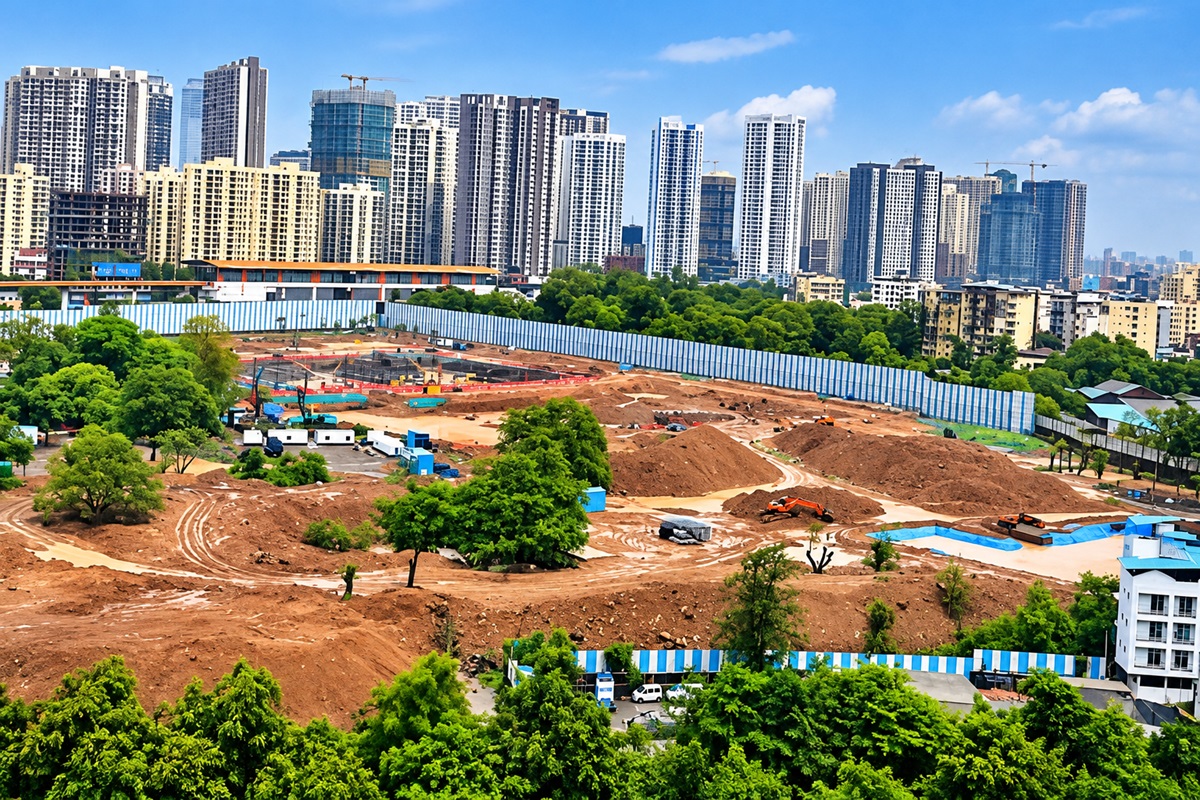
More than 1,000 nearby residents say the project proceeded without meaningful consultation.
Amazon disputes the suggestion that the facility will burden household utilities. It told Reuters the development would use water-free cooling, receive electricity through a dedicated supply separate from homes and incorporate noise-reduction measures.
Those are the company’s commitments for the project. Residents’ concerns about its future operation do not establish that it has already caused electricity or water shortages.
The disagreement shows why the location of computing infrastructure can become as contentious as its resource consumption. A cooling system may use no water while residents still object to construction, noise or the proximity of industrial equipment to their homes.
READ ALSO:
Electricity Behind Investment
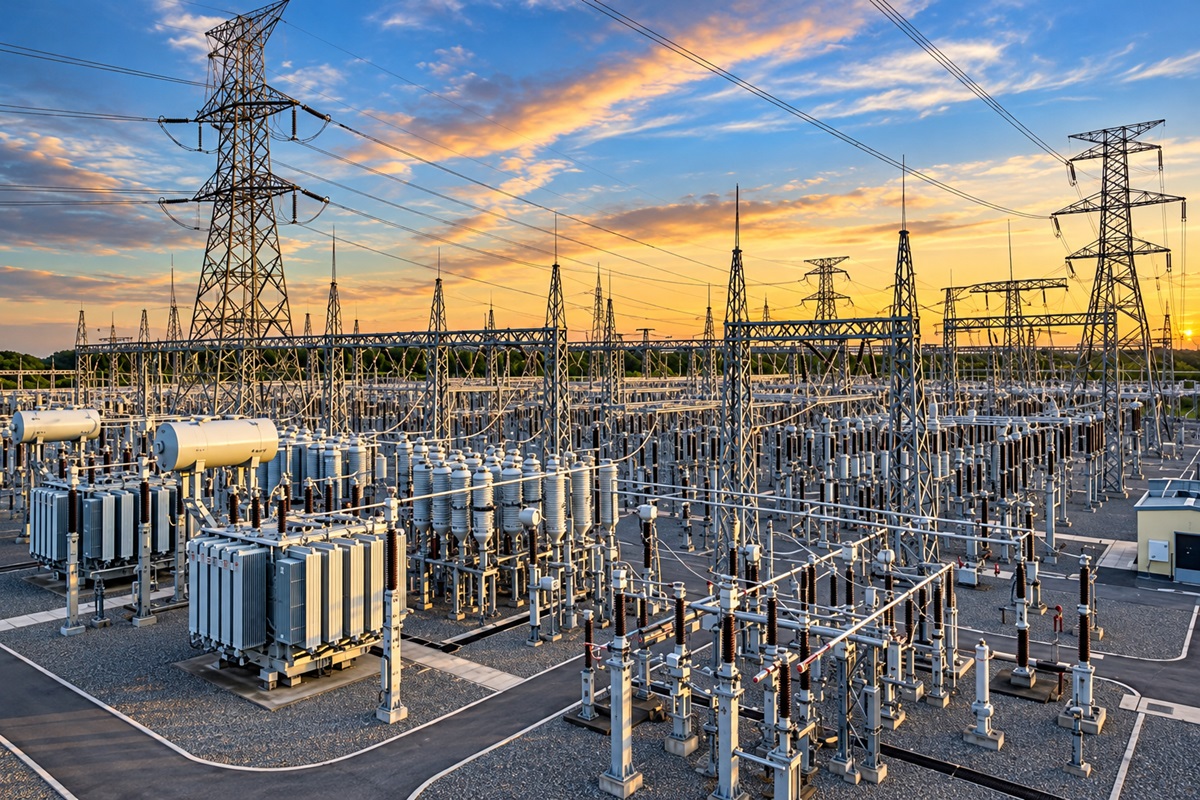
The International Energy Agency estimates that data centres consumed 485 terawatt-hours of electricity worldwide in 2025. Its central projection puts consumption at 950 terawatt-hours in 2030, approximately 3% of global electricity demand.
Those figures cover data centres generally, rather than AI alone. Within that total, the agency expects electricity use by AI-focused facilities to triple over the same period.
Efficiency is improving, but demand is expanding too. Cheaper and less energy-intensive individual tasks can encourage greater use, while more complicated applications require additional computing.
Meanwhile, projects depend on equipment and infrastructure that take time to deliver. The IEA identifies constraints across electricity supply chains, chip manufacturing and planning systems. It also recognises growing community opposition as a challenge to expansion.
For Nigerian and other African authorities courting data-centre investment, the Thane dispute suggests practical questions to settle before construction. Planning documents should identify the electricity source, cooling requirements, expected noise levels and responsibility for any utility upgrades. Residents also need a way to challenge failures against those commitments.
In Thane, Amazon says it will limit noise and avoid drawing on household power supplies. Residents are demanding that the project move. The company’s technical assurances have not resolved that disagreement.

Joy Onuorah is a business journalist and brand communications specialist covering financial markets, artificial intelligence, digital economy, and the ideas reshaping business across Africa and the global market. Beyond her reporting for TheWill, Joy uses brand strategy, storytelling, copywriting, and high-value SEO to help brands build lasting market authority.
