
-
NGX investors enter the week after a ₦3.52 trillion market sell-off, although some stocks recorded substantial gains.
-
The naira’s exchange-rate gap widens while oil prices remain exposed to US-Iran developments.
-
Investors favour longer Treasury bills as banking-system liquidity reaches ₦8.51 trillion.
-
Dividend deadlines, Nigeria’s PMI figures and global interest-rate expectations deserve attention this week.
November 09, (THEWILL) – A market can lose ₦3.52 trillion in a week and still reward some of its investors handsomely. Banks can have trillions of naira available and still charge businesses expensive interest rates. An economy can report rising business activity while export orders continue to shrink.
All three are playing out in Nigeria.
Trading resumes on Monday, November 9, with investors confronting numbers that look straightforward until they examine what sits behind them. Oil prices remain sensitive to developments in the Middle East, the naira trades at different rates across currency markets, and attractive government securities continue to compete for investment funds.

The temptation is to chase whichever asset delivered the best return last week. A more effective approach would be to understand what could change its prospects this week.
Here are ten developments worth your attention.
1. ₦3.52tn Left the NGX Valuation, Not Every Investor’s Portfolio
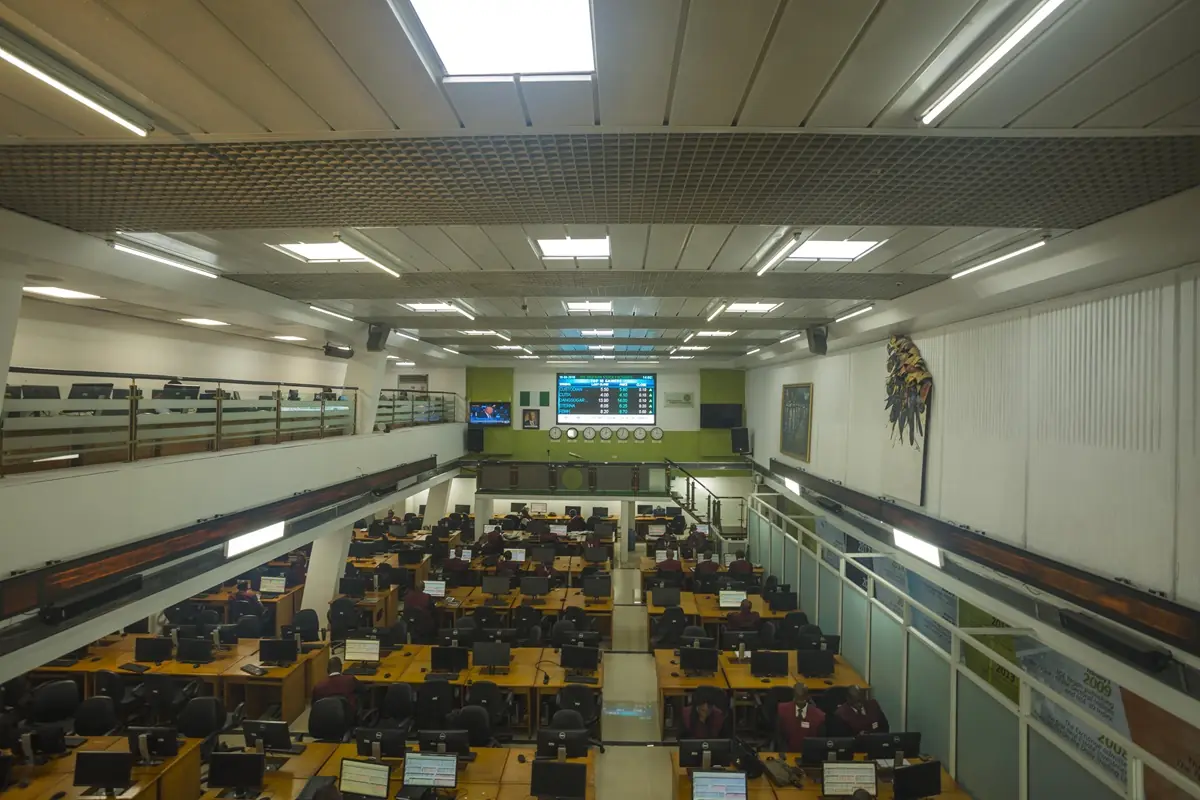
Nigeria’s stock market lost 2.13% last week, closing at 248,877.22 points, while equity market capitalisation fell to ₦161.59 trillion.
The selloff affected several heavyweights. Dangote Cement, BUA Foods, Aradel Holdings and major banking stocks lost value, pulling the wider market lower.
Still, Honeywell Flour Mills gained 30.82% and Transcorp Power advanced 23.37%. The market’s year-to-date return also remained at 59.93%.
That is why an investor’s actual holdings matter more than the headline index. Market capitalisation measures the quoted value of listed shares; a decline does not mean shareholders collectively withdrew that amount in cash.
This week, examine the companies driving the index, their earnings, and how widely gains or losses spread across the exchange. A recovery concentrated in two or three large stocks tells a different story from one supported by most listed companies.
2. Naira’s Exchange-Rate Gap Deserves More Attention Than a Single Quote
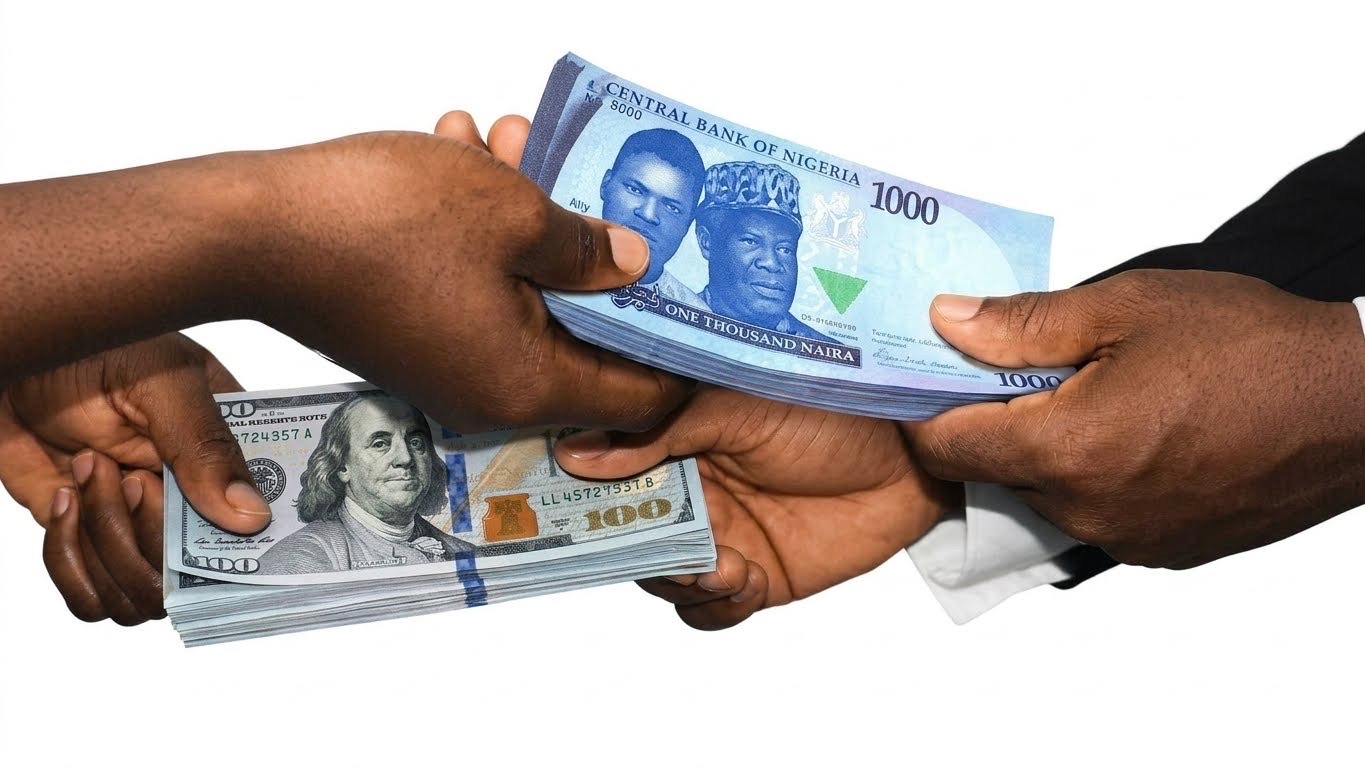
The official naira reference rate ended last week around ₦1,346.79 per dollar, while parallel-market dealers quoted approximately ₦1,410.
Proshare estimates that the premium between the two markets widened from 2.88% to 4.69%.
The figures matter to importers, investors and businesses with dollar obligations, but anyone comparing exchange rates must first establish which rate they are using. The CBN publishes several measures, including closing and volume-weighted quotations, while informal-market rates vary by dealer and transaction size.
A widening premium can signal stronger demand outside official channels or differences in access to foreign currency.
Watch the gap, the volume of dollar transactions, and the rates businesses can actually obtain. A small improvement in one quotation means little if companies still struggle to access foreign exchange.
3. Oil’s $98 Price Tag Comes With a Geopolitical Warning
 Brent crude settled at $98.32 per barrel on Friday after a turbulent week shaped by the US-Iran conflict.
Prices fell sharply earlier in the week as expectations of a possible diplomatic settlement reduced fears of prolonged supply disruption. Renewed threats and attacks near important shipping routes subsequently supported prices.
Nigeria has an obvious interest in higher crude prices, but the benefit depends on how much oil the country produces and exports. A strong international price cannot compensate fully for production shortfalls, theft, or prolonged operational disruptions.
Investors should follow developments affecting shipments through the Gulf and Strait of Hormuz alongside Nigeria’s production figures. Political statements may move prices immediately; actual supply changes determine how long those movements last.
4. Almost ₦2tn Chases One Treasury Bill
At the November 4 Treasury-bill auction, investors submitted ₦2.05 trillion in bids against ₦800 billion offered.
The 364-day instrument attracted approximately ₦1.99 trillion of those subscriptions. The government accepted ₦461.84 billion for that maturity and maintained its 15.80% stop rate.
The preference is clear; investors are willing to commit funds for almost a year at the prevailing rates, while demand for the shorter instruments remains considerably weaker.
However, a successful bid is not the same as every investor receiving the quantity requested. Buyers also need to understand the difference between an auction discount rate and the annualised return on the money they invest.
Compare available secondary-market yields with the rate, maturity and liquidity needs of your investment. A higher advertised return is not automatically the better choice if you may need the money sooner.
5. Banks Have ₦8.51tn in Liquidity, Businesses Still Need Credit

Banking-system liquidity climbed to ₦8.51 trillion last week from ₦7.37 trillion, even after the CBN sold substantial volumes of Open Market Operations securities.
Banks also placed approximately ₦8.31 trillion at the central bank’s Standing Deposit Facility, where eligible institutions deposit excess funds.
Abundant liquidity does not mean banks must lend it all to businesses. Government securities offer attractive returns, while commercial lending brings credit risks, operating costs, and regulatory requirements.
The more revealing development will be how banks deploy those funds. Investors should monitor CBN liquidity operations and money-market rates, while businesses seeking loans should compare actual lending terms rather than assume plentiful banking liquidity has made credit cheap.
READ ALSO:
6. Bond Yields Are Falling, but Prices Tell the Other Half
 Government bond yields declined across the market last week. Average short-term yields fell to 16.02%, medium-term yields reached 16.61%, and long-term yields eased to 15.51%.
When demand pushes existing bond prices higher, their yields generally fall. Investors who already hold those securities may therefore record valuation gains, while new buyers receive lower returns at prevailing prices.
The Debt Management Office also offered two-year and three-year Federal Government savings bonds with coupon rates of 13.25% and 14.25%.
Before purchasing any bond, examine its market price, remaining maturity, payment schedule, and yield to maturity. A generous coupon does not necessarily make a bond attractive if its purchase price has risen substantially.
7. Dividend Dates Put Four Companies on Investors’ Calendars

Shareholders have several important dates this week.
Okomu Oil Palm has declared an interim dividend of ₦11.50 per share, with November 11 as its qualification date and November 17 as the scheduled payment date.
Berger Paints has fixed November 12 as the qualification date for its 50-kobo interim dividend.
Seplat Energy’s November 12 qualification date covers an interim dividend of five US cents and a special dividend of 14 US cents per share, subject to applicable withholding tax. Payment is scheduled for November 27.
Airtel Africa has announced a 3.1-cent interim dividend, with November 13 as the record date and December 11 as the payment date. Its Nigerian Exchange timetable lists November 12 as the final day to trade with dividend entitlement.
Confirm the company’s actual corporate-action notice and the relevant settlement arrangements before placing a trade. Purchasing shares at the last minute does not guarantee entitlement, and a dividend payment cannot protect an investor from a subsequent decline in the share price.
8. Nigeria’s PMI Is Improving, Export Orders Are Not

The CBN’s composite Purchasing Managers’ Index increased to 53.2 points in October from 53.0 in September, extending the expansion in business activity to five consecutive months.
Twenty-four of the 32 subsectors surveyed reported growth.
That sounds encouraging, but the new export orders index stood at 48.8 points. Readings below 50 indicate contraction, suggesting that businesses still face weakness in demand from foreign customers.
Domestic activity can improve without a corresponding rise in export competitiveness.
Investors assessing manufacturers should examine company-specific orders, production costs, foreign sales and profit margins. A positive national PMI does not guarantee that every listed industrial company is enjoying stronger business.
9. Gold’s Next Move May Depend on American Jobs
Gold traded near $4,074 per ounce on Friday after stronger US employment figures lifted the dollar and Treasury yields.
The United States added 165,000 jobs in October, exceeding economists’ expectations, while unemployment declined to 4.1%.
Stronger employment can reduce expectations of immediate interest-rate cuts. Higher yields make income-paying securities more attractive relative to gold, which produces no interest.
But gold continues to attract buyers seeking protection against geopolitical uncertainty and financial-market volatility.
Nigerian investors face an additional consideration. Even if gold rises in dollars, exchange-rate movements can change its return when measured in naira. Assess both before treating the metal as a reliable hedge.
10. Nigeria’s Revised $7.7bn Loan Request Returns Borrowing Costs to Focus
 President Bola Tinubu has submitted a revised external borrowing request of approximately $7.71 billion to the National Assembly, replacing an earlier, substantially larger proposal.
The borrowing would help finance the 2026 budget deficit, but legislative consideration is not the same as completed borrowing.
Investors should pay attention to the instruments the government eventually chooses, the interest rates lenders demand, and the maturity of any new debt.
Foreign-currency borrowing can ease pressure on domestic financing in the near term, but it also commits the government to future payments in foreign currency.
Nigeria’s ability to manage those obligations will depend on revenue, debt-service costs and exchange-rate movements. The terms of a loan deserve at least as much scrutiny as its announced size.
The Week Ahead
The most expensive investment mistakes do not always begin with bad information. Sometimes they begin with correct numbers interpreted too quickly.
Nigeria’s stock market remains substantially higher than it was in January, but that does not make every share attractive. Government securities still offer meaningful returns, though their rates and liquidity requirements differ. Rising business activity is encouraging, yet weak export orders show that economic recovery remains uneven.
Oil, the naira, and American interest rates add pressures no Nigerian investor can control.
This week, pay closer attention to the conditions behind the figures than to the figures themselves. A good return matters but understanding what produced it, and what could reverse it, matters just as much.

Joy Onuorah is a business journalist and brand communications specialist covering financial markets, artificial intelligence, digital economy, and the ideas reshaping business across Africa and the global market. Beyond her reporting for TheWill, Joy uses brand strategy, storytelling, copywriting, and high-value SEO to help brands build lasting market authority.