
-
Nigeria’s headline inflation fell to 15.43% in July, but food inflation climbed to 20.31%.
-
Food inflation reached its highest level since September 2025, rising from 17.52% in June.
-
Food inflation has risen every month since January, reversing the sharp decline recorded in late 2025.
-
The divergence shows why slower headline inflation does not necessarily mean cheaper food for Nigerian households.
August 18, (THEWILL) — Nigeria’s headline inflation rate is falling, but food prices are moving in the opposite direction. That gap is becoming harder for households to ignore.
Headline inflation dropped to 15.43 percent in July from 15.91 percent in June, according to the National Bureau of Statistics. Food inflation, however, climbed to 20.31 percent from 17.52 percent, its highest level in ten months.
For families already spending a large share of their income on food, the broader inflation figure offers little comfort. What matters at the market is how much rice, yam, tomatoes, meat or bread costs this week compared with last week.

Food inflation had fallen to 8.89 percent in January before reversing course. It rose to 12.21 percent in February, 14.31 percent in March and 16.06 percent in April. By June, it had reached 17.52 percent before jumping above 20 percent in July.
Why Food Prices Are Refusing to Follow
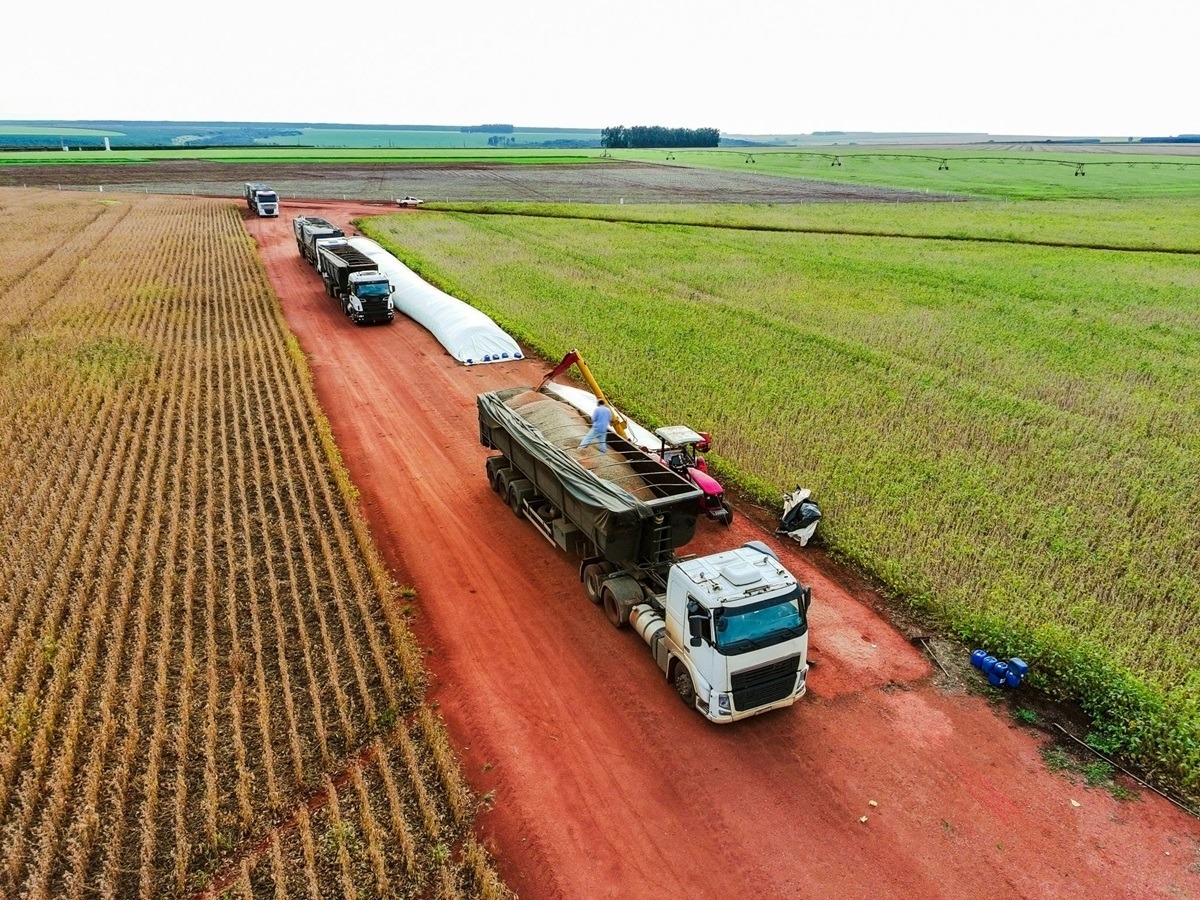
Part of the problem is that measures aimed at reducing the cost of imports do not necessarily reduce the cost of moving food around Nigeria.
The Federal Government’s 2026 Fiscal Policy Measures lowered import duties on some essential goods, including food staples. Earlier, President Bola Tinubu had approved a six-month suspension of import duties on staple foods and other essentials.
Food and beverage imports have also fallen. Nigeria imported goods worth ₦1.393 trillion in the first quarter of 2026, down 16.7 percent from ₦1.671 trillion in the same period in 2025.
Lower import costs, though, are only one part of the price Nigerians pay at the market.
Produce still has to move from farms to collection points, markets and eventually consumers. Diesel, poor roads, vehicle maintenance, storage and other distribution costs can eat into whatever savings come from cheaper imports or lower tariffs.
Recent inflation data offers a clue. Urban month-on-month inflation slowed from 2.13 percent in June to 1.90 percent in July. Rural month-on-month inflation moved in the opposite direction, rising from 0.52 percent to 0.78 percent.
READ ALSO:
Nigeria’s Inflation Falls To 15.43 Percent In July As Food Prices Accelerate
Atiku Fires Back At Tinubu: Wrestle Inflation, Hunger, Insecurity—Not Political Opponents
That matters because much of Nigeria’s food supply starts outside the cities.
Government efforts to address the supply side are also taking shape. Agriculture Minister Abubakar Kyari recently unveiled the National Agricultural Mechanisation Policy and Investment Strategy, including plans for a tractor assembly plant with an annual production capacity of 2,000 to 4,000 tractors.
Such investments could eventually improve farm productivity and reduce some production costs. They will not, however, change what households pay tomorrow morning.
For now, Nigeria has an inflation problem that looks better in the headline figures than it feels at the dinner table.

Joy Onuorah is a business journalist and brand communications specialist covering financial markets, artificial intelligence, digital economy, and the ideas reshaping business across Africa and the global market. Beyond her reporting for TheWill, Joy uses brand strategy, storytelling, copywriting, and high-value SEO to help brands build lasting market authority.