
-
Commonwealth Shared Scholarship applications opened on November 10 for UK postgraduate study beginning in 2027.
-
Eligible Nigerians can receive full tuition, return airfare and monthly living allowances.
-
Applicants must choose approved courses at participating universities and complete a separate university admission process.
-
Applications close on December 8, 2026, at 5 p.m. Nigerian time.
November 13, (THEWILL) – Nigerian graduates seeking postgraduate education in the United Kingdom can now apply for Commonwealth Shared Scholarships covering tuition fees, travel and living expenses for approved master’s degree programmes beginning in September or October 2027.
Applications opened on Tuesday, November 10, with the Commonwealth Scholarship Commission (CSC) setting a deadline of December 8, 2026, at 4 p.m. Greenwich Mean Time, equivalent to 5 p.m. in Nigeria.
The programme, jointly funded by the UK government and participating universities, supports academically qualified candidates from eligible Commonwealth countries who could not otherwise afford postgraduate study in Britain.
Unlike scholarships that offer only partial tuition support, the Commonwealth Shared Scholarship covers approved tuition fees in full, return airfare and a monthly allowance intended to support students’ living expenses during their studies.
Current published stipend rates stand at £1,712 a month for scholars studying outside London and £2,000 for those attending universities within the London metropolitan area. Additional support may be available for study-related travel, dissertation preparation, mandatory tuberculosis testing and certain family or disability-related circumstances.
The financial support makes the programme relevant to graduates who meet the academic requirements but would struggle to finance an overseas master’s degree independently.

However, admission is restricted to approved courses at participating universities, and the scholarship application alone does not secure a place on a programme.
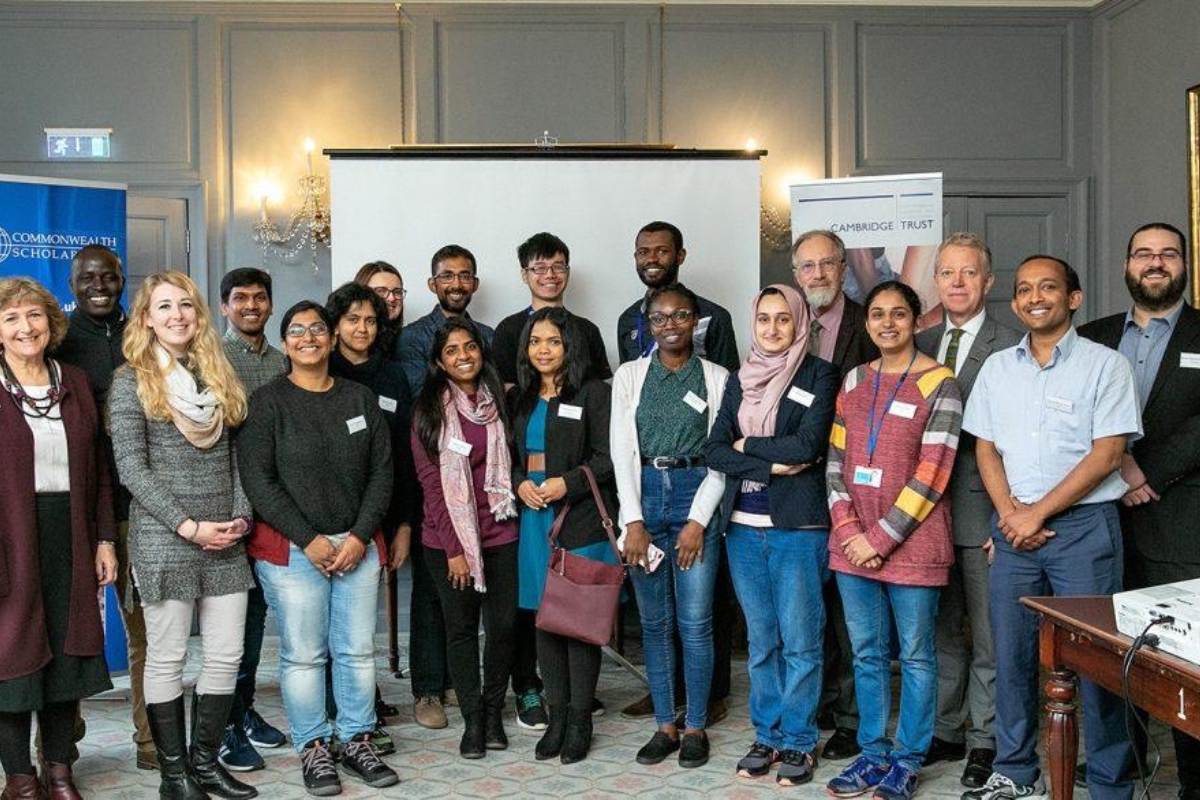
Who Can Apply and What the Scholarship Covers
Nigeria is among the 43 countries eligible for the 2027/28 Commonwealth Shared Scholarship programme, alongside Ghana, Kenya, India, Pakistan, Uganda, Rwanda and other qualifying Commonwealth countries.
Applicants must be citizens or recognised refugees of an eligible country and permanently resident in an eligible Commonwealth country.
Academic requirements include at least a second-class upper bachelor’s degree, commonly called a 2:1, by September 2027. Candidates with a second-class lower degree may qualify if they also hold a relevant postgraduate qualification, usually a master’s degree.
The programme excludes applicants who have studied or worked for a year or longer in a high-income country, subject to the CSC’s stated eligibility conditions.
Candidates must also demonstrate that they cannot afford UK study without the scholarship and be available to begin their courses in September or October 2027. There is no general age limit.
Awards normally cover one year of full-time taught master’s study. Undergraduate programmes, doctoral studies and research master’s degrees are not funded under this particular scheme.
Approved tuition fees are paid through arrangements between the CSC and participating universities, while the university pays the scholar’s living allowance. The current monthly stipend is £1,712 outside London or £2,000 in London, although the CSC may revise rates.
Scholars must also undertake to return to their home countries before their student visas expire, reflecting the programme’s emphasis on applying acquired knowledge to development challenges.
Applicants seeking an opportunity to study and subsequently remain in Britain under a different immigration route should therefore examine this condition before applying.
READ ALSO:
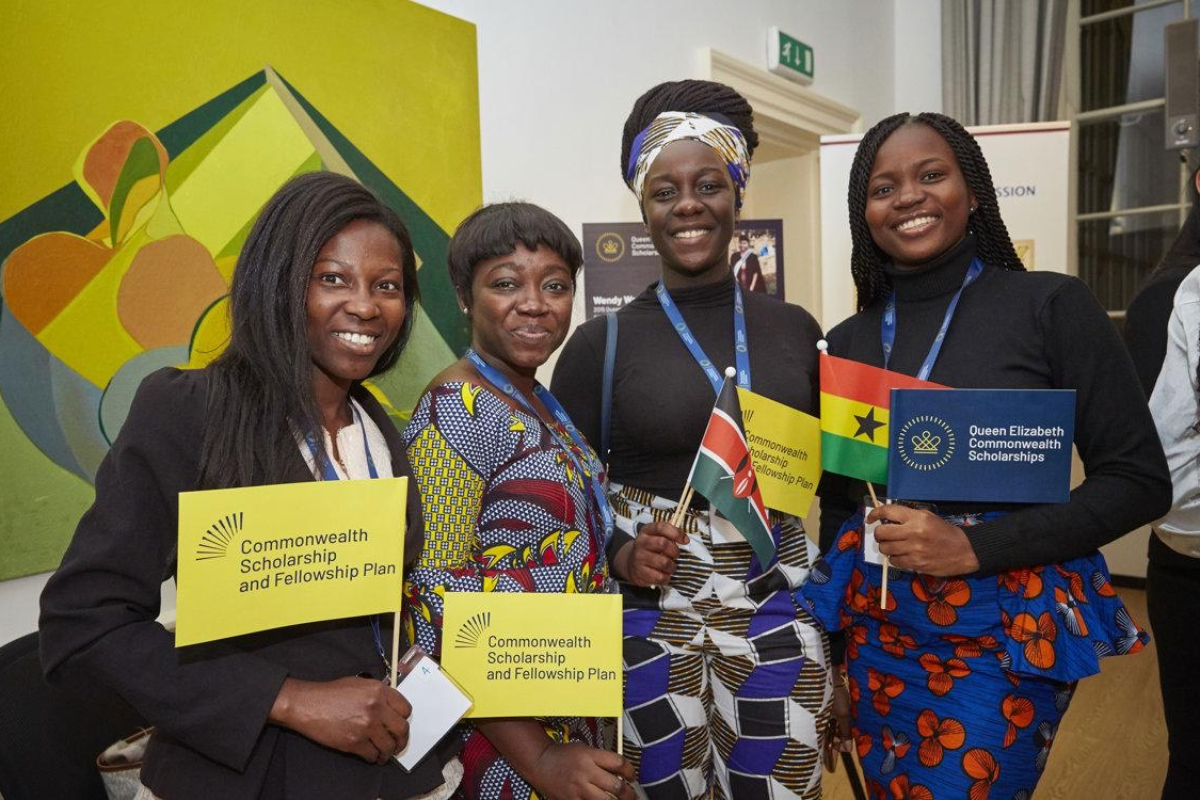
Why Course Selection Matters Before the Application
The Commonwealth Shared Scholarship is not an unrestricted award that can be used for any master’s degree at any British university.
Participating universities receive approval to offer scholarships for particular courses with a demonstrable connection to development priorities.
Consequently, a candidate might qualify academically and financially but remain ineligible if the course they select is not on the approved list.
The CSC has published the eligible courses and participating universities for the 2027 entry cycle on its website.
Applicants can pursue more than one approved course at different institutions, but they can accept only one Commonwealth Shared Scholarship.
They must also apply separately for admission to their chosen universities and satisfy the institutions’ academic and English-language requirements.
This creates two linked application processes. One concerns eligibility for funding under the Commonwealth programme, while the other determines admission to the university.
Candidates should check both sets of deadlines because university requirements and admission arrangements may differ from the December 8 scholarship deadline.
The CSC does not impose a general IELTS examination requirement, although individual universities can request evidence of English-language proficiency.
Selection considers academic merit, the quality of the proposed study and the candidate’s potential contribution to development in their home country.
For applicants, a strong academic record therefore needs to be accompanied by a credible explanation of how their proposed course relates to a development need and how they intend to use the knowledge afterwards.
How Nigerians Can Apply Before December 8
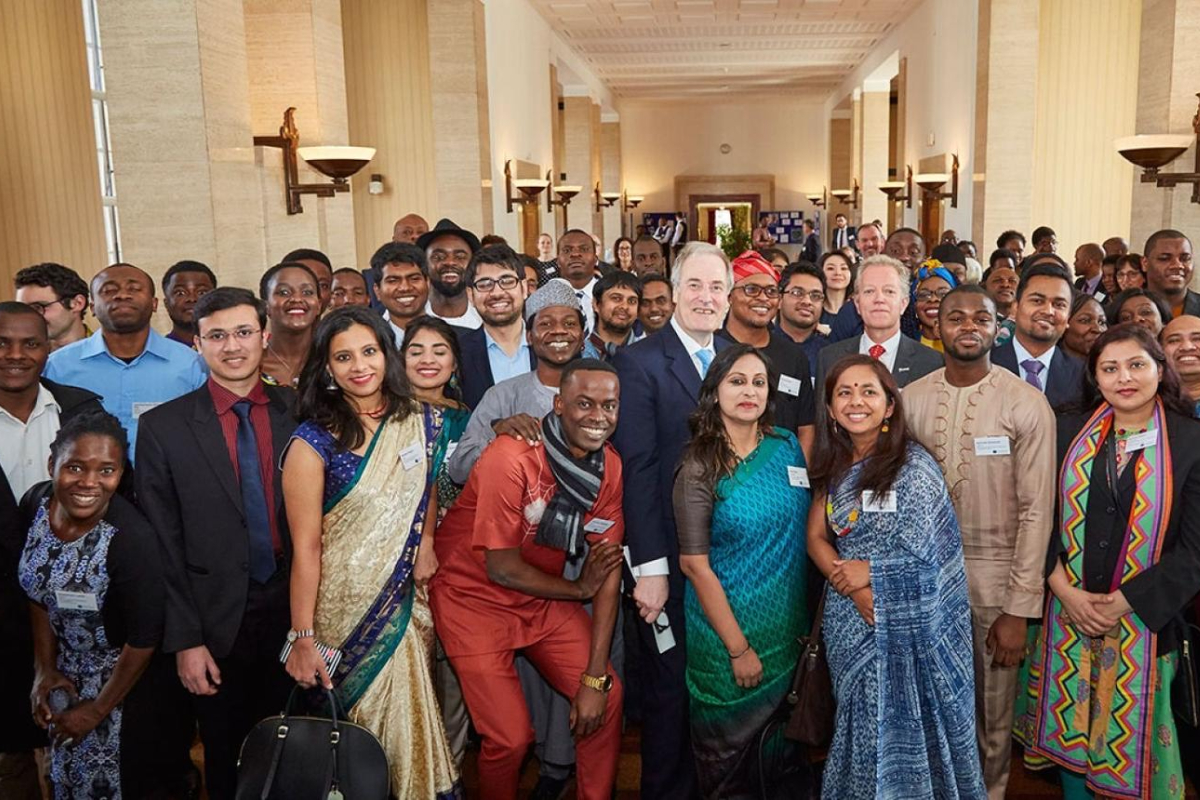
Applications must be submitted through CSC Central, the Commonwealth Scholarship Commission’s official online application system.
Candidates first need to identify an approved course and participating university, review the admission requirements and complete the scholarship application before the deadline.
Supporting documents include proof of citizenship or recognised refugee status, complete higher education transcripts and at least two signed references in PDF format.
References must appear on institutional letterhead or in an email clearly identifying the sender. Applicants are responsible for obtaining and uploading the documents themselves.
Missing transcript pages, incomplete references or documents submitted after the deadline can render an application ineligible.
The scholarship application also asks candidates to describe their education, employment experience, proposed programme of study, career plans, leadership activities and potential contribution to their home country’s development.
Candidates should prepare these responses carefully, as the CSC does not permit edits after submission.
Participating universities will review applications and nominate selected candidates to the commission in March 2027. The final award process remains subject to eligibility checks and confirmation of university admission.
Importantly, the Commonwealth Scholarship Commission does not charge an application fee through its official scholarship portal.
Applicants should use the CSC’s published application links rather than pay individuals or unauthorised intermediaries claiming to guarantee selection.
The official deadline is Tuesday, December 8, at 4 p.m. GMT, or 5 p.m. West African Time.
Prospective candidates can review the approved courses, prepare their academic documents and complete the funding and university admission requirements through the commission’s website.
Applications submitted to the wrong scholarship programme will not substitute for the Commonwealth Shared Scholarship process. The regular Commonwealth Master’s Scholarship application window for 2027 entry closed on October 20, making it important for Nigerian applicants to select the programme currently accepting applications.
With the December deadline approaching, candidates have a defined opportunity to pursue fully funded postgraduate study in the UK, provided they meet the academic, financial and course-specific requirements.

Joy Onuorah is a business journalist and brand communications specialist covering financial markets, artificial intelligence, digital economy, and the ideas reshaping business across Africa and the global market. Beyond her reporting for TheWill, Joy uses brand strategy, storytelling, copywriting, and high-value SEO to help brands build lasting market authority.