
-
Nigerian banks raised ₦4.65 trillion in fresh capital, with 33 institutions meeting new regulatory requirements.
-
Banks’ average maximum lending rate reached 32.62% in September 2026.
-
Manufacturing credit fell 33.8% between December 2024 and August 2026, according to figures presented by the NESG.
-
Conflicting analyses of eight major banks show why reported lending growth requires closer scrutiny.
November 13, (THEWILL) – Nigeria’s banks have succeeded in raising the capital required to strengthen their balance sheets. Getting affordable credit into the businesses expected to turn that financial strength into production, investment and jobs is proving more difficult.
A two-year recapitalisation exercise concluded in March 2026 with lenders raising ₦4.65 trillion in fresh equity.
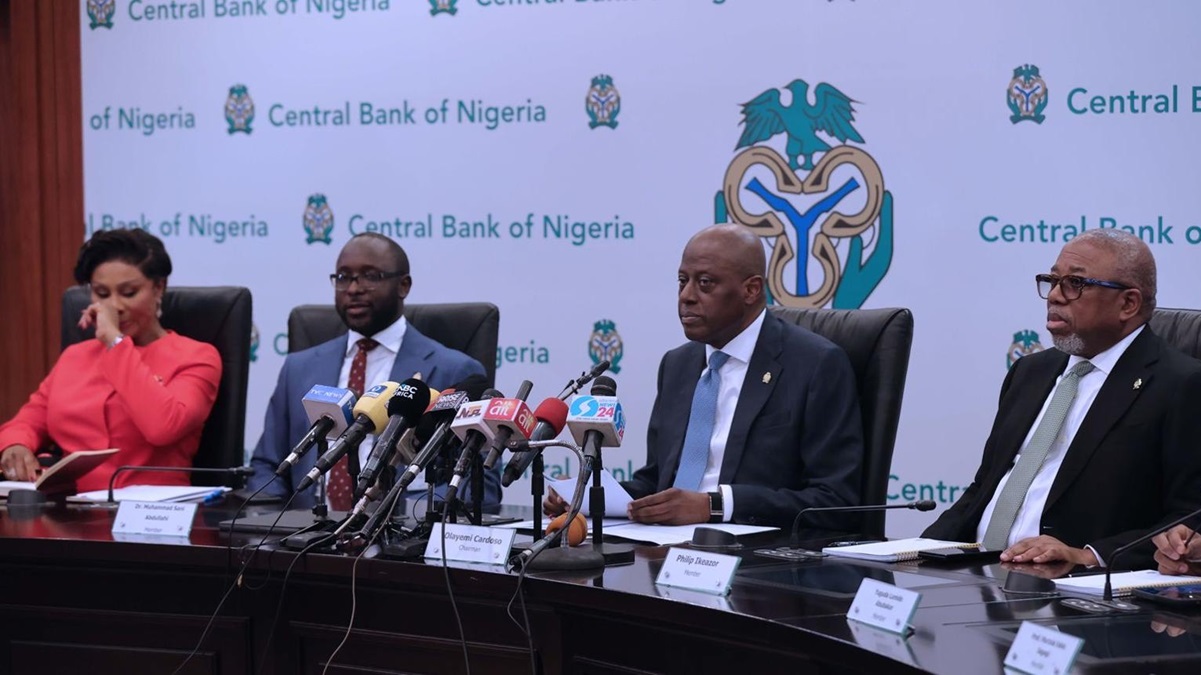
According to the Central Bank of Nigeria (CBN), 33 banks met the revised minimum capital requirements, with domestic investors providing approximately 72.55% of the funds.
The programme was intended to strengthen financial stability and increase banks’ capacity to finance economic growth. However, recent lending figures suggest that larger capital bases have not immediately resolved the financing challenges facing Nigerian businesses.
By September, banks’ average maximum lending rate had reached 32.62%, up from 29.20% in August, according to CBN money market indicators reported by THISDAY.
Meanwhile, figures presented by the Nigerian Economic Summit Group (NESG) showed outstanding bank credit to manufacturing declining from ₦8.53 trillion in December 2024 to ₦5.65 trillion in August 2026, a 33.8% contraction.

The figures measure different aspects of the credit market, but together they expose a problem with treating recapitalisation as an automatic solution to inadequate business financing.
Banks may have greater capacity to absorb losses and support larger transactions without finding enough creditworthy borrowers willing or able to take loans at prevailing interest rates.
That matters to manufacturers purchasing machinery, agricultural processors expanding storage facilities and businesses financing equipment or working capital.
Their investment decisions depend on the cost, availability and repayment terms of credit, not simply the amount of equity banks have raised.
More Capital Has Not Made Borrowing Cheap
Nigeria’s recapitalisation programme required commercial banks with international authorisation to maintain at least ₦500 billion in qualifying capital, compared with ₦200 billion for national banks and ₦50 billion for regional lenders.
The requirements focus on paid-up share capital and share premium, strengthening the financial resources available to absorb losses and support banking operations.
They do not require banks to increase lending by a corresponding amount.
A bank considering a new loan must still assess the borrower’s financial position, expected cash flow, collateral, repayment capacity and the cost of funding the transaction.
Monetary conditions also remain restrictive. In September, the CBN reduced its benchmark Monetary Policy Rate to 23%, while retaining the 45% Cash Reserve Requirement for deposit money banks.
The reserve requirement restricts the portion of eligible deposits banks can deploy, while the policy rate influences funding costs and returns available elsewhere in the financial system.
A stronger capital position does not remove either consideration.
Although the CBN’s September figures showed an average maximum lending rate of 32.62%, its average prime lending rate stood at 19.04%.
These are different measures, reflecting the terms offered across different categories of borrowing, rather than a single interest rate paid by every customer.
September’s maximum lending-rate average also covers a month in which the policy-rate reduction occurred only on September 22. It cannot establish the full effect of that decision on subsequent borrowing costs.
Analysts have identified another factor behind banks’ caution.
Olumide Sole, head of Financial Institutions Research at Renaissance Capital Africa, told BusinessDay that government securities have offered attractive returns relative to the risks involved in commercial lending.
Samuel Oyekanmi, head of research and insights at Norrenberger, also attributed restrained credit expansion partly to the difficulty of finding suitable borrowers in a high-interest-rate environment.
Their explanations point to two sides of the same problem. Banks may prefer investments offering more predictable returns, while businesses facing expensive credit may postpone expansion or become less attractive borrowers.
An increase in bank capital cannot resolve those decisions on its own.
READ ALSO:
Manufacturing Figures Show Where the Financing Problem Is Most Visible
Manufacturing provides a useful measure of how banking conditions affect investment beyond the financial sector.
At an October event organised by the Chartered Institute of Bankers of Nigeria, NESG chief executive Tayo Aduloju presented figures showing that outstanding manufacturing credit had fallen by ₦2.88 trillion between December 2024 and August 2026.
During the first eight months of 2026, average credit to manufacturing declined by 26% year-on-year to approximately ₦5.7 trillion, while average credit to trade and commerce increased by 49% to ₦5.9 trillion.
These figures suggest substantially different lending trends across sectors.
They do not, however, establish that banks have redirected every naira withdrawn from manufacturing towards trade.
Outstanding loan balances can also change through repayments, write-offs, exchange-rate movements and other balance-sheet adjustments.
The wider pattern still raises concerns for industrial financing.
Manufacturers often need long-term funding to purchase machinery, expand capacity and improve production efficiency.
Financing these investments through expensive short-term credit can increase operating costs and make repayment difficult before the investment begins generating additional revenue.
Trade-related transactions may involve shorter financing cycles, allowing lenders to recover their money more quickly.
These differences influence the risks banks accept and the interest rates businesses face.
The NESG also reported that private-sector credit represented approximately 13% of Nigeria’s gross domestic product in 2025, compared with 38.1% across lower-middle-income economies.
Such comparisons depend on consistent definitions, but they indicate the limited depth of domestic credit relative to the size of Nigeria’s economy.
Improving access will require more than raising minimum bank capital.
Longer-term funding sources, dependable infrastructure, credit guarantees and more reliable borrower information can influence the types of projects lenders are willing to finance.
Conflicting Bank Figures Complicate the Lending Picture
Recent financial reporting also demonstrates why conclusions about the effects of recapitalisation require careful treatment of bank data.
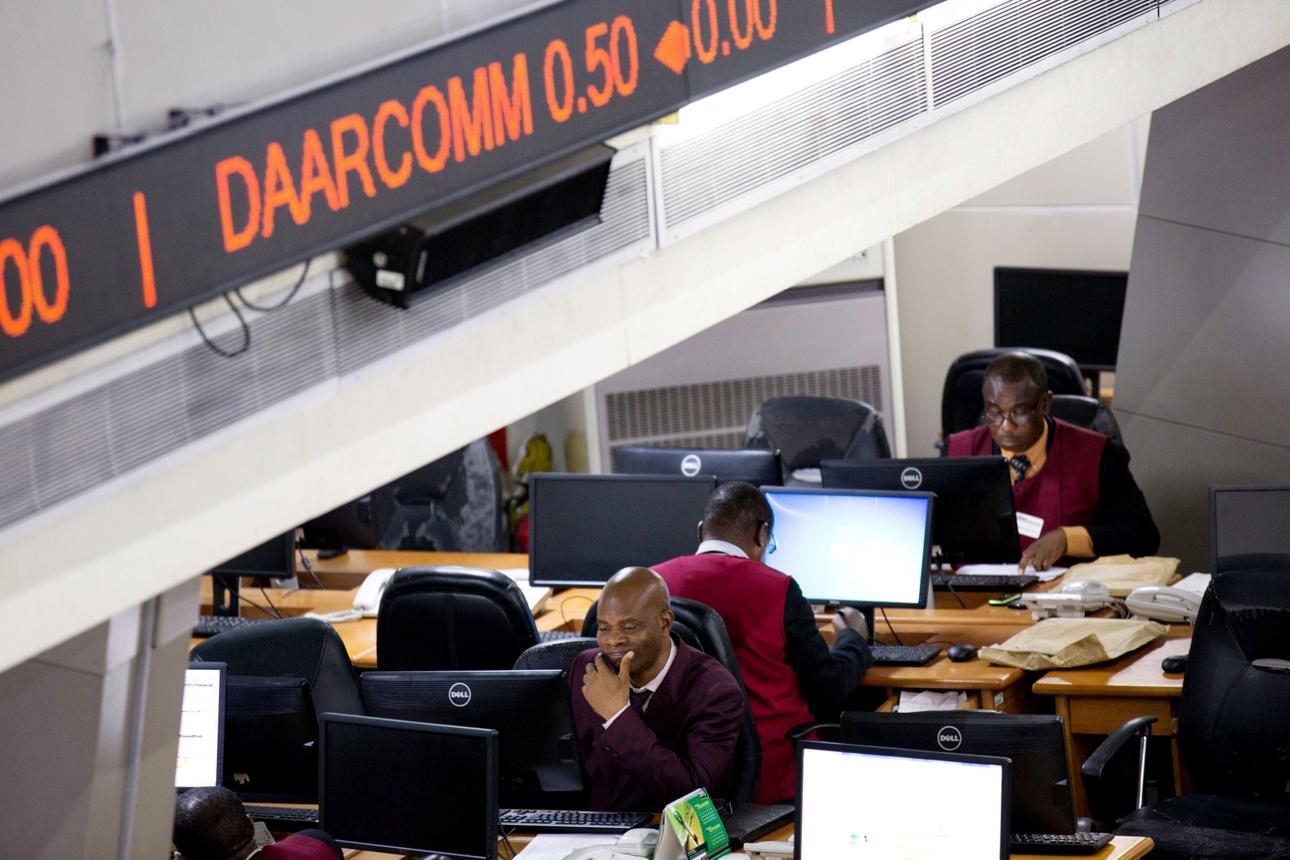
Two analyses published in November examined the same eight major banking groups but produced substantially different lending totals.
BusinessDay reported combined loans of ₦55.66 trillion as of September 2026, representing 2.4% growth over its stated comparison period. Leadership reported ₦61.26 trillion and 4.9% growth.
Their deposit figures also differed, even though both analyses covered Access Holdings, Ecobank, Zenith Bank, First HoldCo, GTCO, Stanbic IBTC, Wema Bank and Sterling Financial Holdings.
These totals cannot be treated as directly comparable without reconciling the underlying accounting definitions and reporting periods.
Zenith Bank’s September 2026 financial statement illustrates the importance of those details.
Its consolidated accounts reported approximately ₦11.64 trillion in net loans and advances at September 30, compared with ₦10.45 trillion at December 31, 2025.
Gross customer loans stood at approximately ₦12.26 trillion and ₦10.01 trillion on those respective dates.
Those are different measures, and the earlier figures relate to December 2025 rather than September 2025. Comparing them cannot establish year-on-year growth for the nine months ended September 2026.
Furthermore, financial statements for banking groups with operations outside Nigeria may include loans and deposits from other countries.
Changes in consolidated balances cannot automatically be interpreted as changes in credit available to Nigerian businesses.
Until the eight institutions’ figures are reconciled on a consistent basis, neither aggregate growth rate provides a sufficiently reliable foundation for judging the industry-wide effect of recapitalisation.
More dependable evidence will come from comparing the same loan measures across matching reporting dates, separating domestic credit from international operations and examining where new loans are going.
That assessment should also distinguish credit extended to manufacturers, households and smaller enterprises from lending to large corporations and other financial institutions.
Nigeria’s ₦4.65 trillion recapitalisation strengthened the banking system’s ability to finance larger transactions and withstand potential losses.
It did not eliminate the economic conditions influencing banks’ decisions or businesses’ willingness to borrow.
The next useful measure of the programme will be the quality, cost and distribution of credit that banks provide as the new capital becomes part of their regular operations.
A larger banking system can support more investment. The harder task is creating conditions in which financing productive businesses also makes financial sense to the institutions supplying it.

Joy Onuorah is a business journalist and brand communications specialist covering financial markets, artificial intelligence, digital economy, and the ideas reshaping business across Africa and the global market. Beyond her reporting for TheWill, Joy uses brand strategy, storytelling, copywriting, and high-value SEO to help brands build lasting market authority.