
-
Dangote Refinery’s ₦2.15 trillion IPO could become Africa’s biggest-ever share sale.
-
Senegal’s debt crisis deepened as S&P cut its sovereign rating to CC.
-
Oil surged towards $100 as the Iran conflict intensified, reviving inflation fears.
-
Strong U.S. jobs data pushed markets back towards a possible Fed rate hike.
September 07, (THEWILL) — Financial markets opened September with a sharp repricing of risk.
Nigeria delivered a landmark capital-markets story with Dangote Refinery’s planned ₦2.15 trillion IPO, while Senegal’s worsening debt crisis put fresh focus on sovereign risk across Africa.
Beyond the continent, oil prices surged as tensions around Iran intensified, government bond yields climbed, and stronger U.S. jobs data revived expectations of higher interest rates. From Lagos to global markets, investors had plenty to digest.

Here are 10 financial market stories that defined last week.
1. Dangote Refinery Gets Approval For Africa’s Biggest IPO
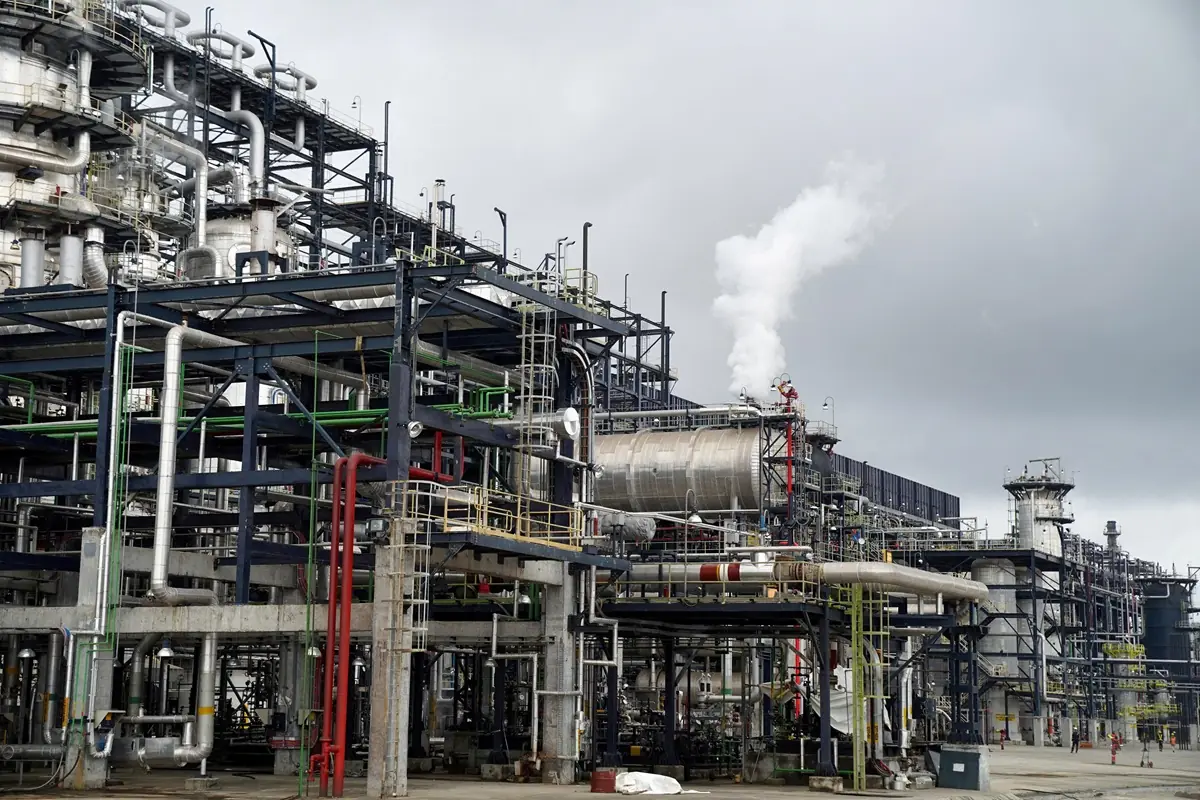
Nigeria’s Securities and Exchange Commission approved Dangote Refinery’s ₦2.15 trillion ($1.63 billion) IPO, set to become Africa’s largest-ever share sale.
The offer covers 4.1 billion shares at ₦525 each and values the refinery at about $47 billion. Order books are expected to open on September 14. Dangote plans to use part of the proceeds to expand refining capacity from 650,000 barrels per day to 1.4 million barrels.
For Nigeria’s capital market, few developments are bigger. A successful offer could deepen domestic equity participation and give investors a rare opportunity to buy into one of Africa’s most strategically important industrial assets.
2. Senegal Debt Crisis Deepens
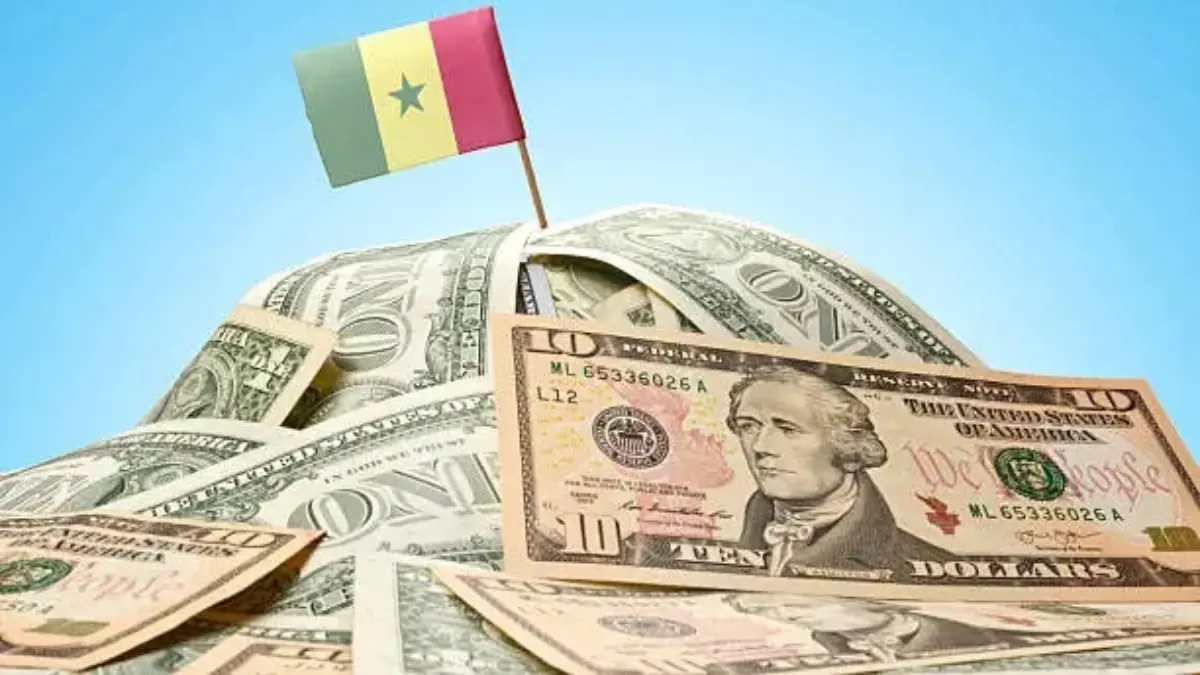
Senegal moved closer to a debt restructuring after S&P Global Ratings cut its foreign-currency sovereign rating to CC from CCC+, citing an extremely high likelihood of a distressed debt exchange or default.
The downgrade came days after Senegal reached a staff-level agreement with the IMF for a $2.2 billion, three-year programme.
Investors now face a difficult question over how Senegal will restructure more than $10 billion in previously undisclosed debt while preserving access to international capital markets.
3. Oil Prices Surge As Iran Conflict Escalates

Brent crude jumped sharply as renewed U.S.-Iran fighting revived concerns over Middle East supply and shipping through the Strait of Hormuz.
Brent rose above $97 a barrel during the week, adding a fresh inflation risk for economies already dealing with elevated borrowing costs.
Higher oil prices put oil producers such as Nigeria in a stronger fiscal position while raising pressure on import-dependent economies across Africa and elsewhere.
4. Global Bond Markets Suffer Another Sell-Off
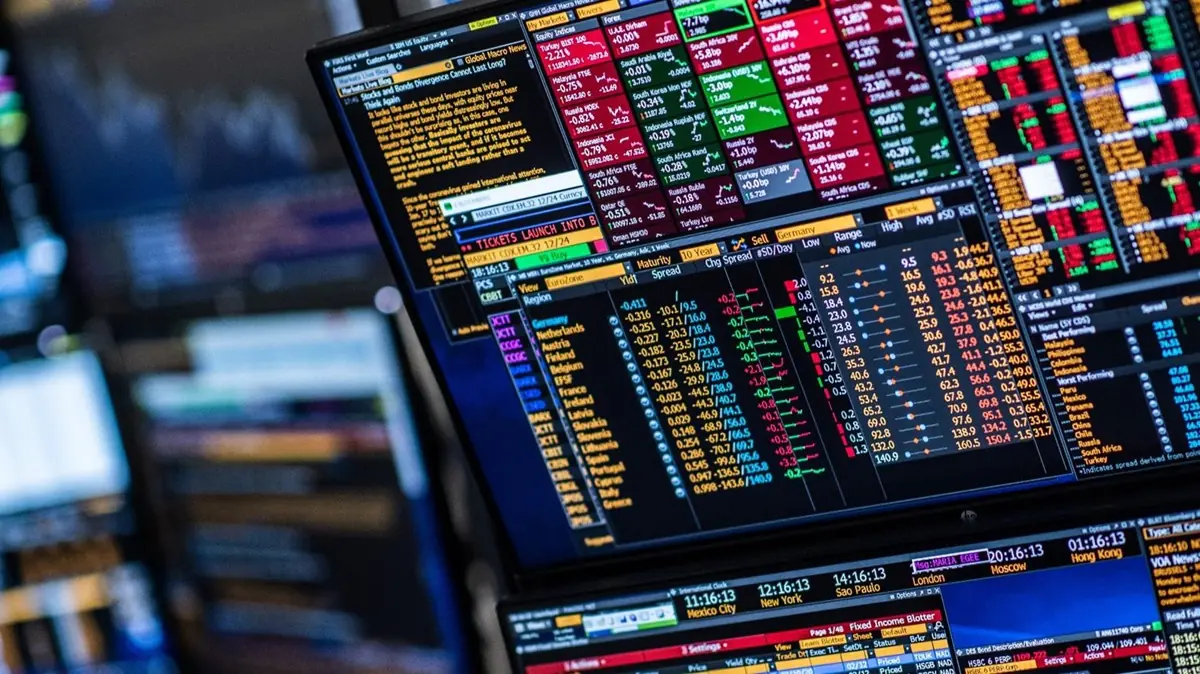
Government bond yields climbed across major markets as investors demanded higher returns amid persistent inflation, large fiscal deficits and heavy government borrowing.
U.S. 10-year Treasury yields approached 4.80%. Japanese 10-year yields moved above 3% for the first time in three decades, while European and British yields also reached multi-year highs.
Higher sovereign yields raise financing costs throughout the global economy and create another headwind for emerging-market borrowers.
READ ALSO:
5. Strong U.S. Jobs Report Revives Fed Rate Hike Bets

U.S. employers added 162,000 jobs in August, comfortably above the 56,000 economists had expected. Unemployment held at 4.1%.
Treasury yields and the dollar rose after the release as traders increased bets on a September Federal Reserve rate hike. The two-year Treasury yield reached 4.37%, while the 10-year yield touched 4.78%.
Strong employment data complicates hopes for monetary easing just as higher oil prices threaten to push inflation higher.
6. Fed’s Waller Briefly Calms Markets

The Federal Reserve Governor, Christopher Waller, gave markets a brief reprieve on Thursday, saying he would favour holding rates steady if incoming data confirmed that inflation pressures were easing.
Stocks rallied, and bond yields fell as traders reduced their expectations for a September hike.
Friday’s jobs data quickly reversed much of that move, leaving investors focused squarely on upcoming U.S. inflation figures.
7. Yen Rebounds As BOJ Hike Bets Rise
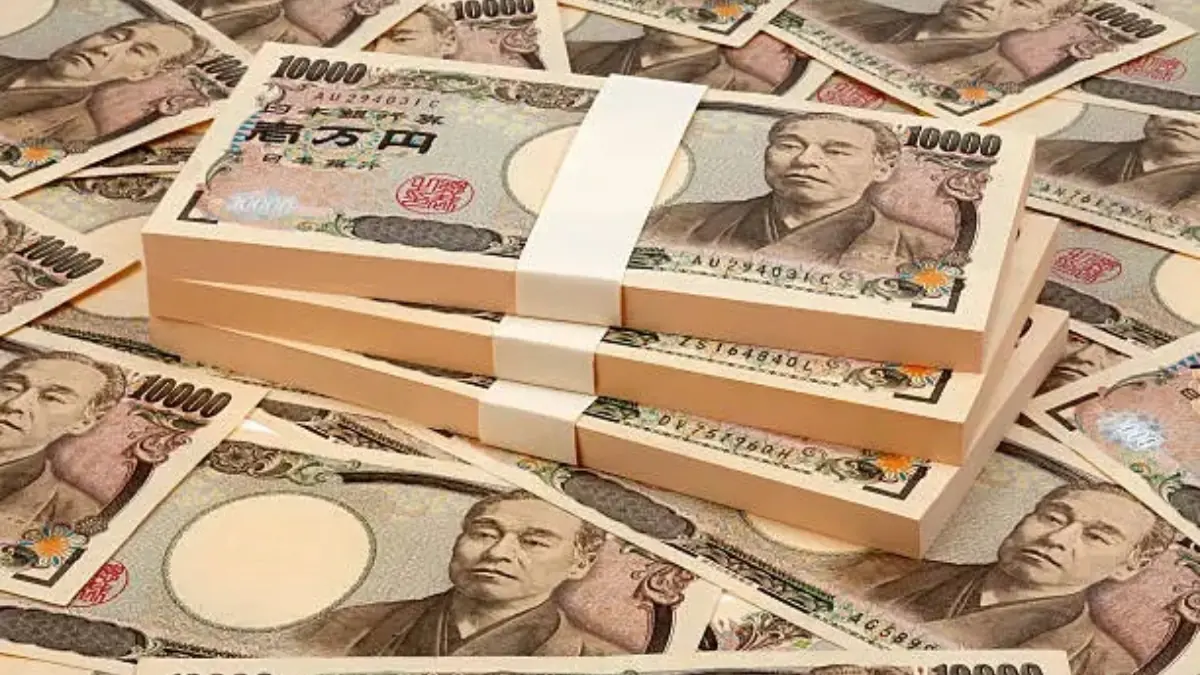
Japan’s yen strengthened sharply as investors raised their expectations for another Bank of Japan rate increase.
The currency gained about 2% against the dollar on Thursday, while Japanese government bond yields moved above 3%.
A stronger yen and higher Japanese yields could have wider implications for global capital flows, particularly for investors who have relied on cheap yen funding.
8. U.S. Investors Pull Money From Equities
U.S. equity funds recorded a second straight weekly outflow, losing $11.12 billion through September 2.
Money-market funds attracted $48.8 billion, reflecting a more cautious approach as investors confronted higher yields, geopolitical risk and uncertainty over U.S. monetary policy. Reuters
Global equity funds still attracted money overall, showing that investors were rotating rather than abandoning risk altogether.
9. AI Stocks Face A Higher Earnings Bar

Broadcom’s results showed continued explosive demand for AI infrastructure, but its shares fell after its revenue outlook failed to satisfy investors.
Markets are increasingly demanding proof that AI-related earnings can justify lofty valuations. Nvidia remained in focus after announcing its acquisition of AI platform Hugging Face for about $13 billion.
Rising bond yields add another problem for highly valued technology stocks because higher discount rates make future earnings less valuable today.
10. Africa’s Currencies Feel Global Rate And Oil Pressure
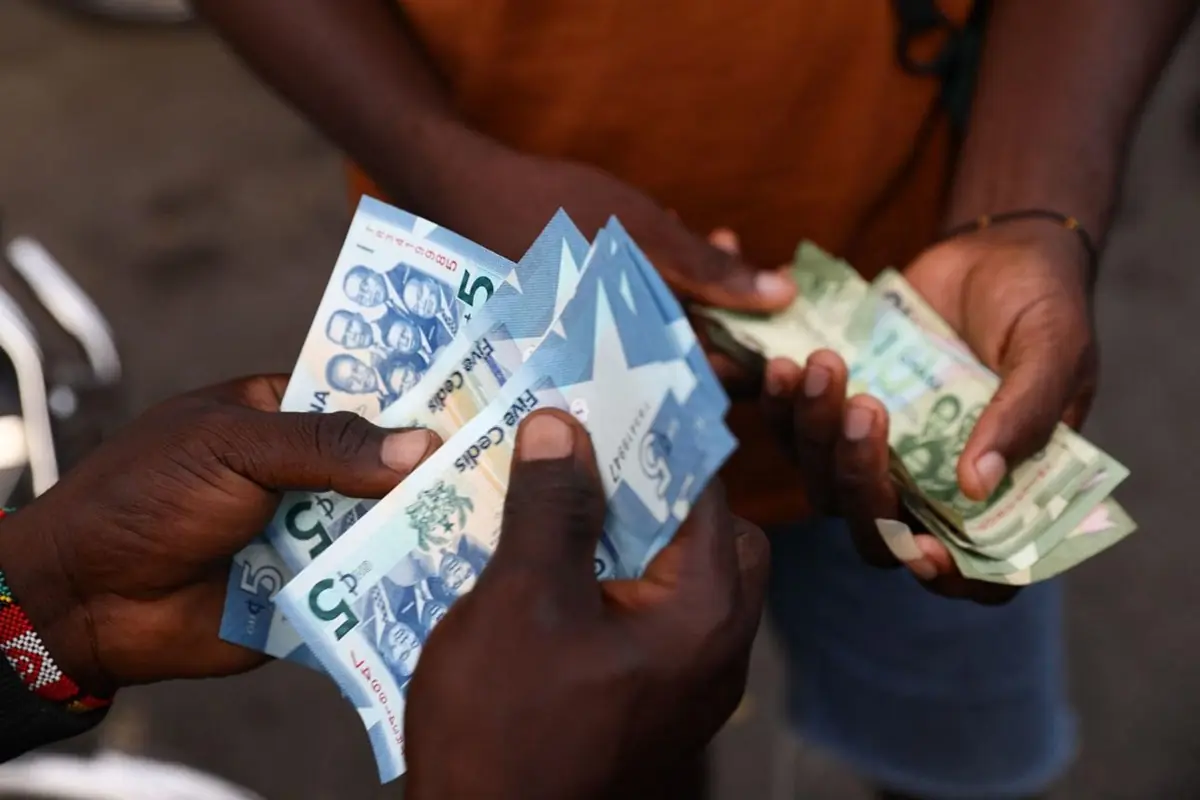
African currencies ended the week under mixed pressure as investors weighed stronger oil prices, a firmer dollar and higher U.S. yields.
South Africa’s rand benefited at times from stronger gold prices and a softer dollar but remained highly sensitive to U.S. rate expectations. Ghana’s cedi and Uganda’s shilling faced renewed pressure from demand for dollars, while Kenya’s shilling remained relatively stable.
Global markets therefore remain an important constraint on African currencies, even when domestic fundamentals are improving.

Joy Onuorah is a business journalist and brand communications specialist covering financial markets, artificial intelligence, digital economy, and the ideas reshaping business across Africa and the global market. Beyond her reporting for TheWill, Joy uses brand strategy, storytelling, copywriting, and high-value SEO to help brands build lasting market authority.