
-
FTSE Russell’s decision to return Nigeria to its Frontier Market framework on September 21 paves the way for foreign index-tracking capital to return to local equities.
-
The Central Bank of Nigeria pulled over N4.7 trillion from commercial banks in two days through OMO bills to clamp down on excess systemic liquidity and curb inflation.
-
Heavy selling in global bond markets drove the US 30-year Treasury yield to 5.34 percent, its highest level since 2007, as deficit fears continue to spook investors.
-
Gold surged toward record highs of $4,650 per ounce on sovereign debasement hedges, while crude oil swung wildly near $88 per barrel amid supply route uncertainty.
August 31, (THEWILL) — Money moved fast across Lagos and New York over the past seven days.
Financial markets do not wait for anyone to catch their breath, and last week proved that point as traders dealt with major index shifts, huge central bank interventions, and jumping bond yields all at once.
If you were trying to keep track of where institutional investors actually put their money while everything was moving, here is how the ten biggest market developments played out.

1. FTSE Russell Restores Nigeria to Frontier Market Index

FTSE Russell ended years of index exile for Nigerian equities on August 27 when it confirmed the country will return to its Frontier Market framework on September 21.
The index provider pointed to steady liquidity in the official NAFEM foreign exchange window and smoother profit repatriation pathways for overseas investors.
Global asset managers tracking Sub-Saharan equity benchmarks started adjusting their model portfolios immediately after the announcement.
2. Nigerian Stocks Push Past N155 Trillion Valuation
Equity trading on the Nigerian Exchange closed the final week of August on a strong run as the All-Share Index gained 81 basis points to hit 241,298.47 points.
Market capitalization rose by N1.29 trillion to end the week at N155.83 trillion. Heavy buying in Seplat Energy lifted the Oil and Gas sector index by 4.54 percent, while major commercial banks picked up 2.85 percent ahead of third quarter earnings reports.
3. Central Bank of Nigeria Pulls N4.72 Trillion via OMO Bills

Monetary authorities in Abuja executed massive open market operations between August 26 and 27, absorbing N4.72 trillion from commercial banking vaults.
High demand from foreign portfolio investors and domestic pension funds pulled yields on shorter paper down toward 20 percent.
The aggressive sterilization campaign aims to lock up excess banking liquidity, defend the naira, and slow consumer price growth.
4. Monthly Diaspora Remittances Reach Record $947 Million
Fresh data published by the Central Bank of Nigeria revealed that formal worker remittances hit $947 million in July, marking the highest single-month transfer volume recorded in the country.
Direct integration between international money transfer operators and commercial bank channels helped route more capital through official exchange windows.
The inflow provided immediate support to gross external reserves, expanding the central bank’s capacity to meet legitimate import demand.
5. US Treasury Announces Buyback Strategy for Older Bonds
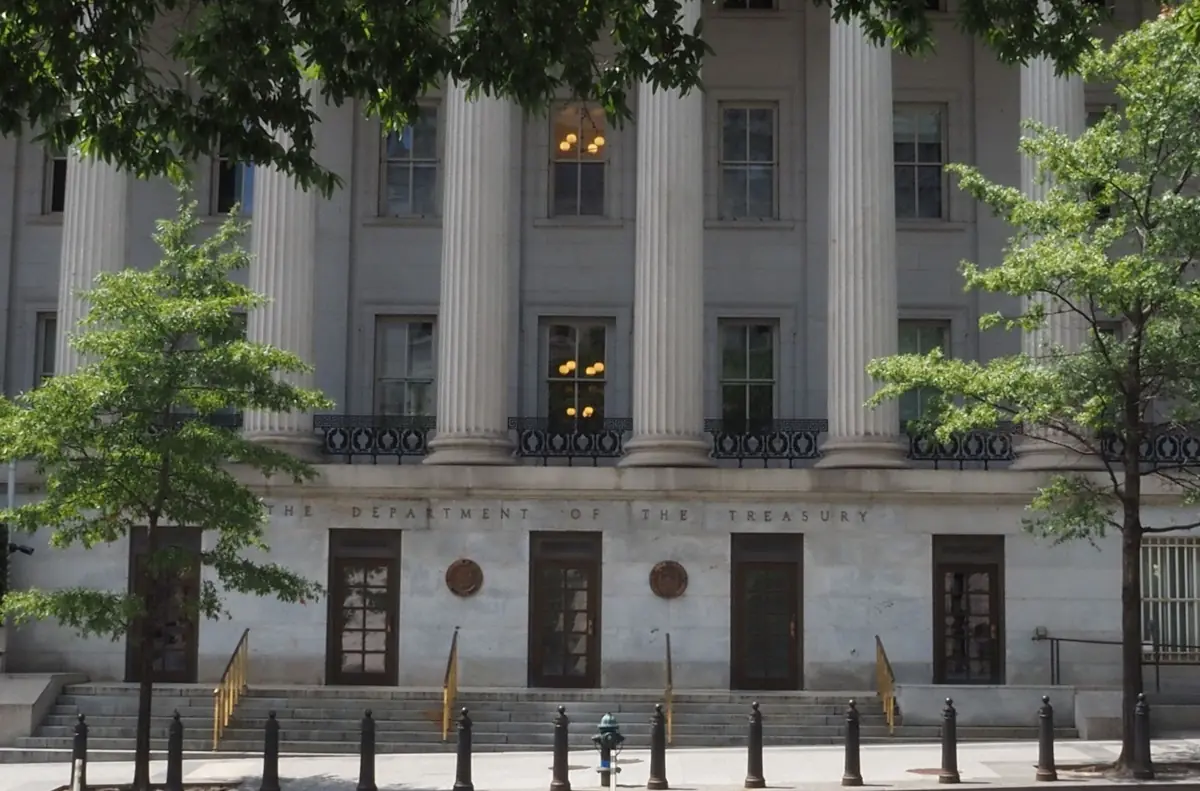
US Treasury Secretary Scott Bessent outlined an expanded buyback schedule for the fourth quarter targeting older off-the-run government debt.
Officials designed the cash injections to support secondary market liquidity as long-term borrowing costs continue hovering near multi-year highs.
Government bond prices staged a brief relief rally on the announcement before traders resumed selling over long-term federal budget deficit concerns.
6. US 30-Year Treasury Yield Touches 5.34 Percent
Heavy selling across global fixed income desks pushed the US 30-year Treasury yield up to 5.34 percent, reaching levels not seen since 2007.
The benchmark 10-year yield followed suit, rising to 4.73 percent in a pronounced steepening of the yield curve.
Institutional bondholders demanded higher yields to absorb massive US debt issuances while hedging against persistent long-term inflation risks.
7. Crude Oil Oscillates Near $88 per Barrel

International oil markets experienced volatile trading throughout the week, with Brent crude settling near $88.10 per barrel after opening the week above $90.
Supply concerns linked to reduced tanker traffic through major maritime choke points competed directly against signs of slowing industrial demand in major importing economies.
The wide price swings kept energy traders cautious as central banks watched fuel costs for secondary inflationary pressures.
8. Gold Advances Toward $4,650 per Ounce
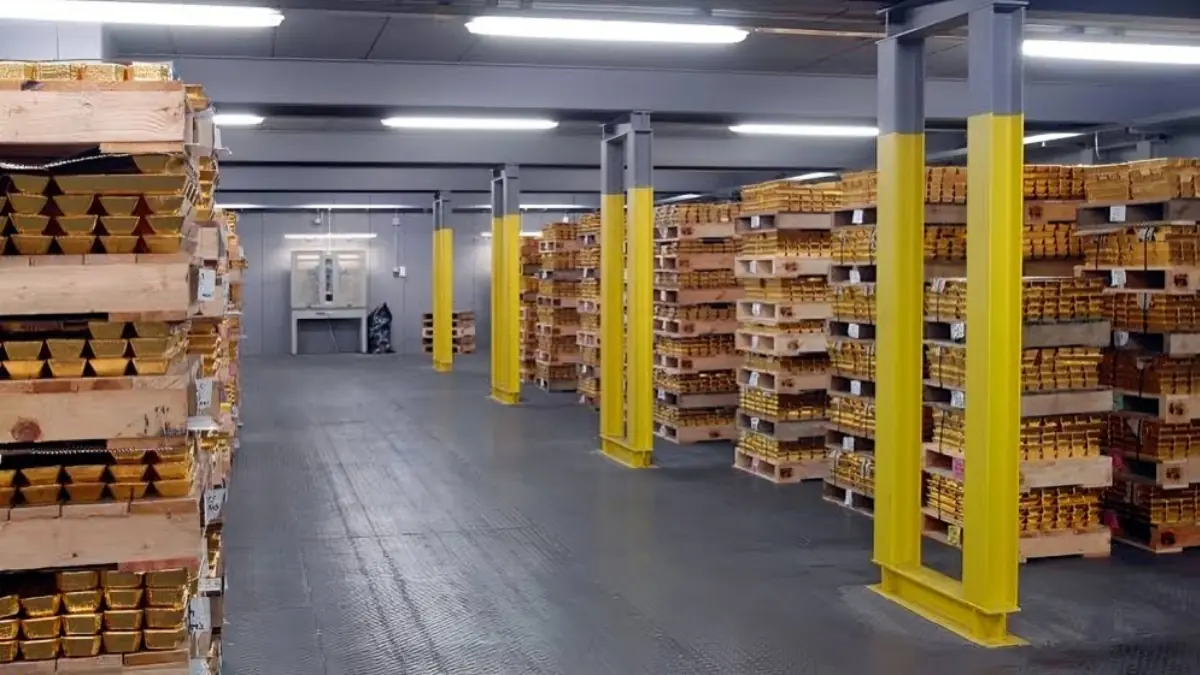
Spot gold prices pushed up to $4,650 per ounce, closing out a 15 percent monthly advance.
Bullion moved higher alongside rising government bond yields, breaking the historic inverse relationship between the two assets.
Strong accumulation by global central banks and sovereign wealth funds looking to diversify foreign exchange reserves out of paper currencies sustained buying pressure all week.
9. Wall Street Drops as Rising Interest Rates Hit Tech Shares
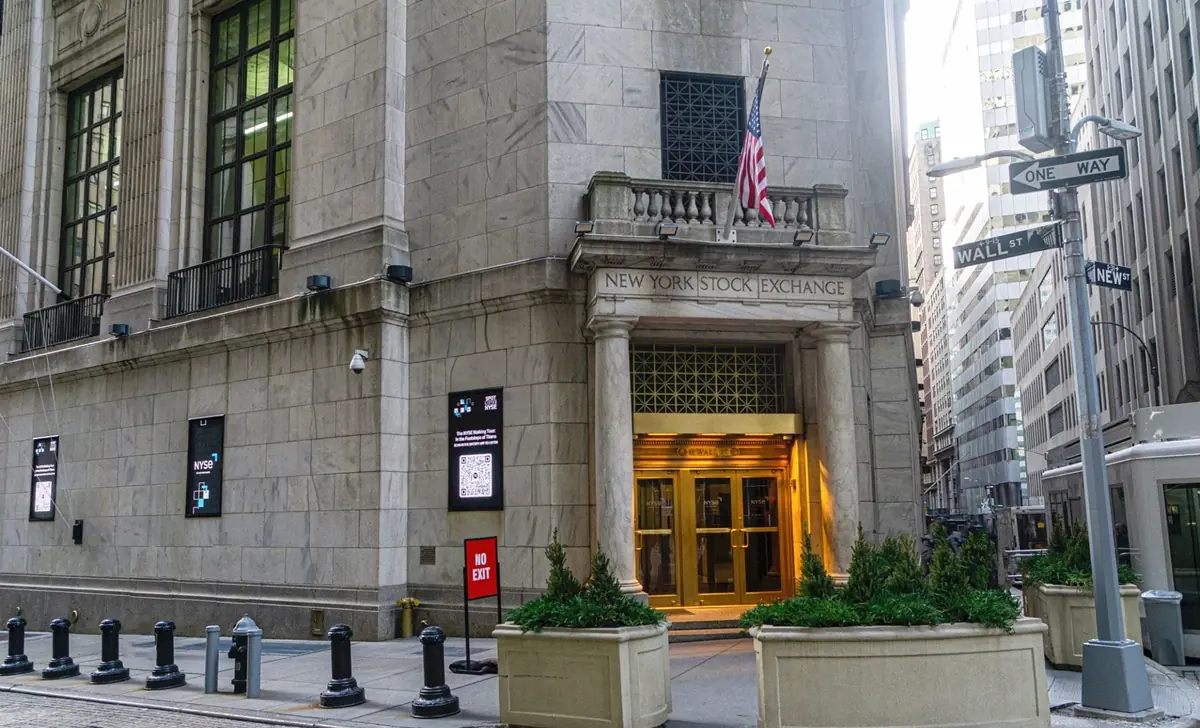
Stock indices in New York broke a three-week winning streak as higher bond yields and elevated corporate borrowing costs weighed on equities.
The S&P 500 fell 1.4 percent to drop below 7,700, while the technology-heavy Nasdaq Composite dropped 2.4 percent.
Semiconductor manufacturers and long-duration growth companies took the brunt of the sell-off, with major sector benchmarks dropping 5 percent.
10. European and UK Business Surveys Show Service Sector Strength
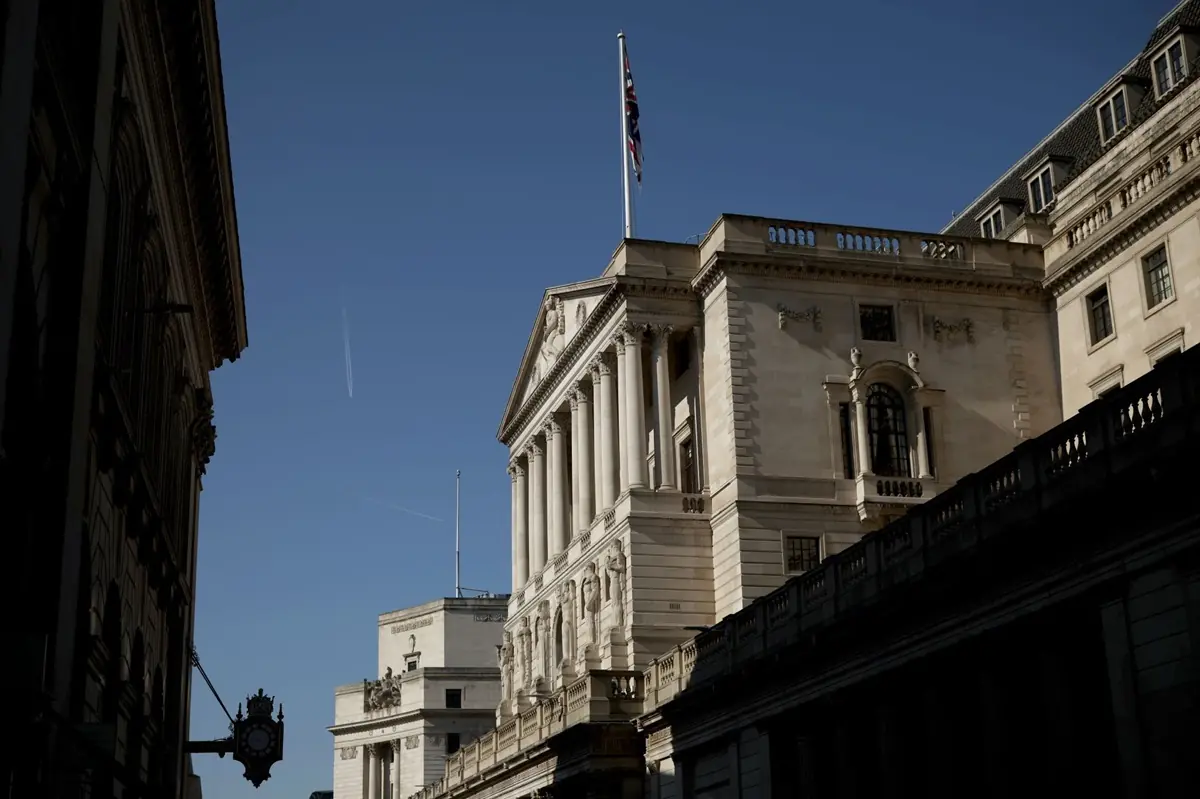
Purchasing Managers’ Index data across Europe showed economic activity holding up better than expected in August.
Eurozone composite PMI figures rose to 52.1, while the UK service sector reached 52.8 even as annual British inflation ticked up to 2.9 percent.

Joy Onuorah is a business journalist and brand communications specialist covering financial markets, artificial intelligence, digital economy, and the ideas reshaping business across Africa and the global market. Beyond her reporting for TheWill, Joy uses brand strategy, storytelling, copywriting, and high-value SEO to help brands build lasting market authority.
