
-
President Bola Tinubu has directed the 36 state governments to accelerate implementation of the National Affordable CNG Transit Programme, with the Federal Government targeting measurable reductions in transportation fares from October 1, 2026.
-
Tinubu said several states are already recording significant fare reductions through CNG buses, converted commercial vehicles and electric public transport, citing examples from Borno, Kaduna, Oyo, Adamawa, Enugu, Plateau, Niger and Abia.
-
The President disclosed that more than 120,000 vehicles have been converted to CNG nationwide, supported by over 400 certified conversion centres and more than 90 CNG refuelling stations.
-
Tinubu rejected calls for a return to petrol subsidy, arguing that Nigeria should instead accelerate domestic gas-based transportation and ensure that savings from cheaper energy are passed directly to commuters through lower fares.
September 19, (THEWILL) – President Bola Tinubu has directed the 36 state governments to intensify preparations for the National Affordable CNG Transit Programme, setting October 1 as the target date for more Nigerians to begin experiencing measurable reductions in transportation costs.
The President, in a statement issued on Saturday, said the Federal Government would support states in expanding CNG infrastructure, vehicle conversions and public transport fleets, while urging governors to work closely with transport unions and commercial operators to ensure that lower energy costs translate into lower fares.
Tinubu said the decision followed a meeting with the governors of the 36 states on August 27, where they agreed on the objective of reducing transportation costs for Nigerians.

Following the meeting, an implementation committee was established under the auspices of the Nigeria Governors’ Forum and chaired by Kwara State Governor and NGF Chairman, AbdulRahman AbdulRazaq.
The committee, alongside the Presidential Initiative on Compressed Natural Gas and Electric Vehicles (PiCNG & EV), state governments and other stakeholders, has been working on identifying priority transport corridors, determining appropriate interventions and putting the necessary infrastructure and operational arrangements in place.
According to Tinubu, the urgency of the programme has increased because of renewed disruptions to global energy supplies, which are putting pressure on petrol and diesel prices and consequently raising transportation costs.
He said Nigeria, despite being unable to control developments in the international energy market, could reduce its exposure to global fuel price shocks by making greater use of its abundant natural gas resources.
States Record Fare Reductions
The President cited several ongoing CNG and alternative-energy transport programmes as evidence that cheaper energy can result in lower fares for commuters.
In Borno State, he said CNG-powered and electric public transport services are carrying passengers for between ₦50 and ₦100 on routes where commercial operators charge between ₦300 and ₦600.
In Kaduna, 100 CNG-powered buses are providing free transportation on major routes. Tinubu said the buses carried about 3.2 million passengers during their first year of operation, resulting in more than ₦3.5 billion in savings for commuters.
In Oyo State, CNG buses deployed through Pacesetter Transport reportedly reduced the Lagos-Ibadan fare from about ₦8,000 to ₦3,200 during the initial deployment.
Similarly, alternative-energy transport services in Adamawa have reduced fares by as much as 50 per cent, from ₦8,000 to ₦4,000.
In Enugu, where 100 CNG buses have been deployed, the Enugu-Nsukka fare has dropped from ₦2,500 to ₦1,500.
Tinubu also said government-supported buses in Plateau State transport about 13,000 commuters daily for ₦200, compared with commercial fares of more than ₦500.
In Abuja, a partnership with the National Union of Road Transport Workers has resulted in fare reductions of 40 per cent on several routes operated with CNG-converted commercial vehicles.
The President gave examples of Area 1-Gwagwalada, where fares have dropped from ₦1,500 to ₦900; Nyanya, from ₦700 to ₦420; and Wuse, from ₦400 to ₦240.
On the Suleja-Abuja route in Niger State, passengers are paying ₦550 compared with about ₦800, while Abia State has deployed 40 electric buses with fares subsidised by 50 per cent.
“These are not projections. Nigerians are already experiencing these savings,” Tinubu said.
He, however, urged states that are yet to achieve similar results to accelerate implementation ahead of October 1.
READ ALSO:
120,000 Vehicles Converted
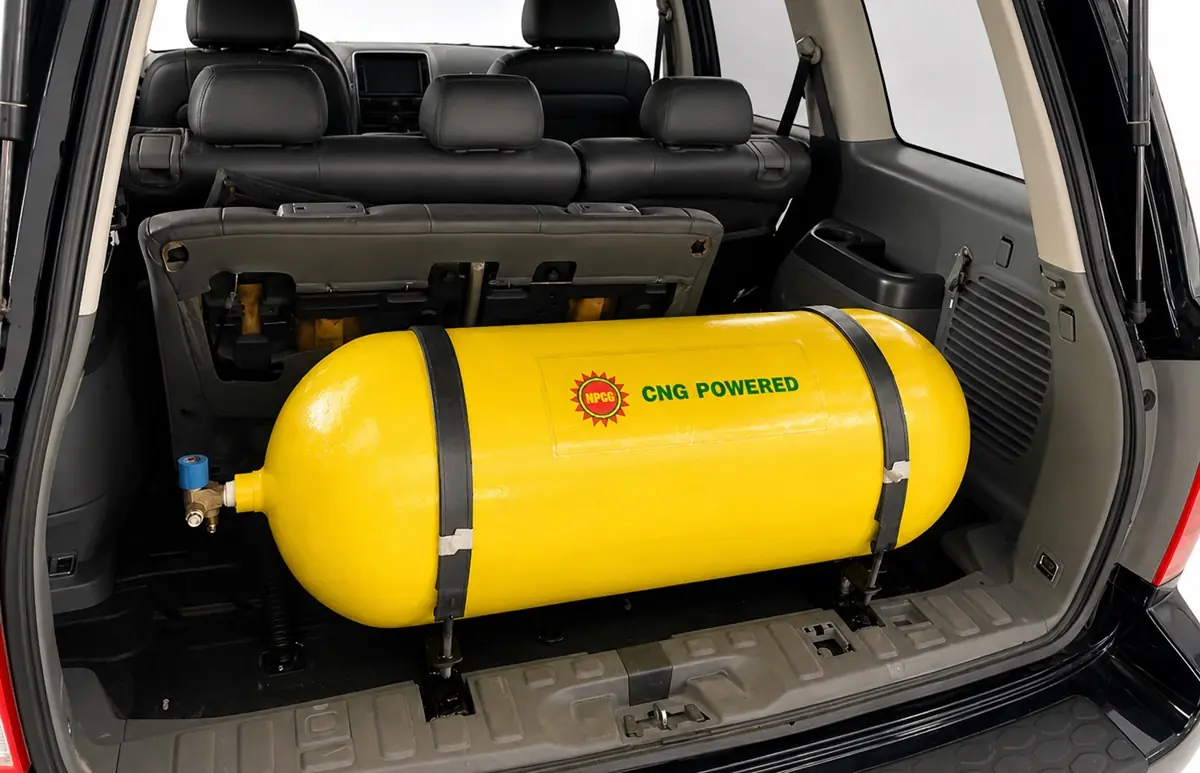
Tinubu said the Federal Government had spent the past three years developing a nationwide CNG transportation ecosystem as part of its response to the economic effects of fuel subsidy removal.
According to him, more than 120,000 vehicles have now been converted to CNG, while the country has over 400 certified conversion centres and more than 90 CNG refuelling stations.
The government has continued to expand the programme beyond CNG to include electric mobility. In March, Tinubu approved the expansion of the Presidential Initiative on CNG to cover electric vehicles, with PiCNG & EV mandated to coordinate Nigeria’s clean mobility strategy.
The initiative is responsible for driving the deployment of CNG infrastructure, vehicle conversion programmes, electric vehicles and charging infrastructure, while also working with financial institutions to make vehicle conversions more accessible.
In May, the administration commissioned major CNG infrastructure projects in Lagos, Abuja and Owerri, including refuelling facilities and conversion centres, as part of the wider effort to increase domestic gas utilisation and lower transportation costs.
Tinubu said the rollout is also expanding across states. Edo State, he said, has 50 CNG buses in active service, while Kano has converted more than 1,000 commercial vehicles and is expanding its conversion and refuelling network.
Delta, Kwara and Lagos are also expanding CNG-supported transportation services, while Akwa Ibom has taken delivery of 50 CNG buses ahead of their commencement of commercial operations.
Tinubu Rejects Return to Petrol Subsidy
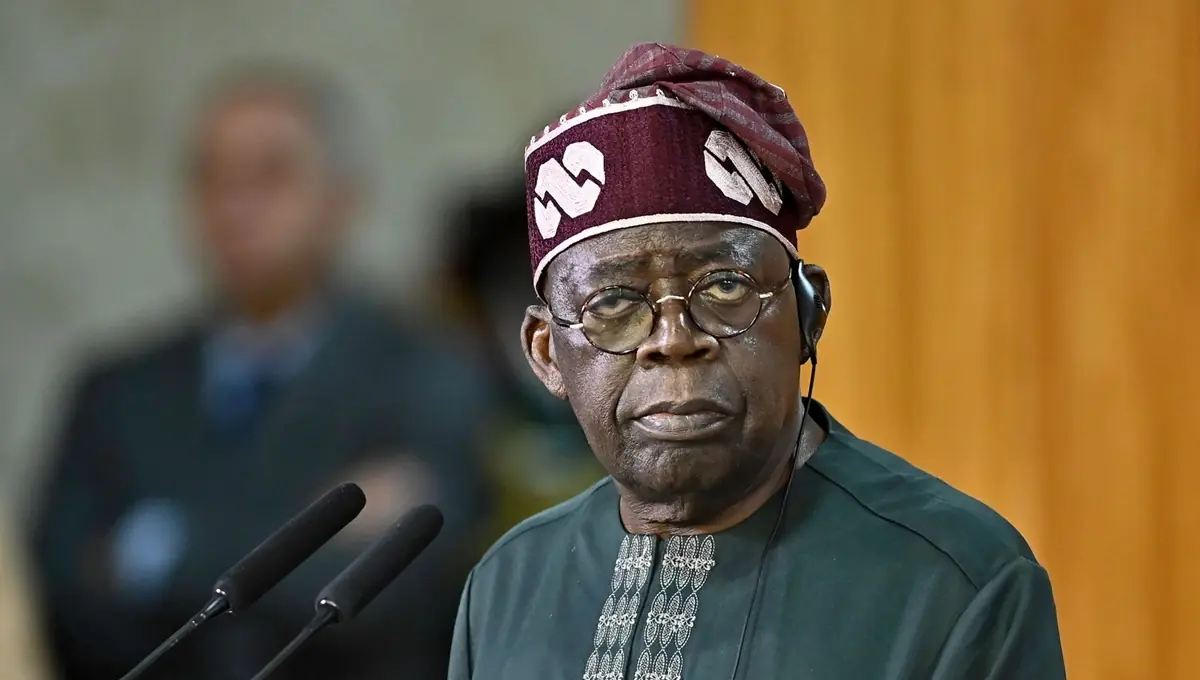
The President used the update to reject suggestions that the Federal Government should return to the petrol subsidy regime, which was removed shortly after he assumed office in May 2023.
Tinubu argued that returning to subsidy would undermine the administration’s efforts to build an alternative transportation and energy system based on Nigeria’s domestic resources.
“At a time like this, our answer cannot be to return to the ruinous petrol subsidy regime that consumed trillions of naira and left our economy exposed to every movement in international oil prices, as some have suggested,” he said.
He instead called for faster deployment of CNG and other alternative-energy solutions already being developed across the country.
The President said the objective was not simply to increase the number of converted vehicles or refuelling stations, but to ensure that the financial savings generated by cheaper energy are reflected in the fares paid by ordinary Nigerians.
“I encourage every State to maintain the momentum towards October 1. Work with transport unions and commercial operators. Support conversion and fleet deployment. Facilitate the infrastructure required. Above all, ensure that savings from cheaper energy reach Nigerian citizens through lower fares,” he said.
Felix Ifijeh is a journalist with years of professional reporting experience. Known for his keen news sense, compelling storytelling and commitment to accurate, impactful reporting, he has built a reputation for turning leads into clear, engaging, and well-structured reports that resonate with readers. His work reflects deep newsroom experience and a commitment to accurate, impactful journalism.