
-
Army Chief Waidi Shaibu graduates a new Special Forces battalion after six months of intensive combat training.
-
New battalion to strengthen counter-terrorism operations and dismantle terrorist and criminal networks across Nigeria.
-
Army expansion from eight to 12 divisions prompts need for more specialised troops and wider security coverage.
-
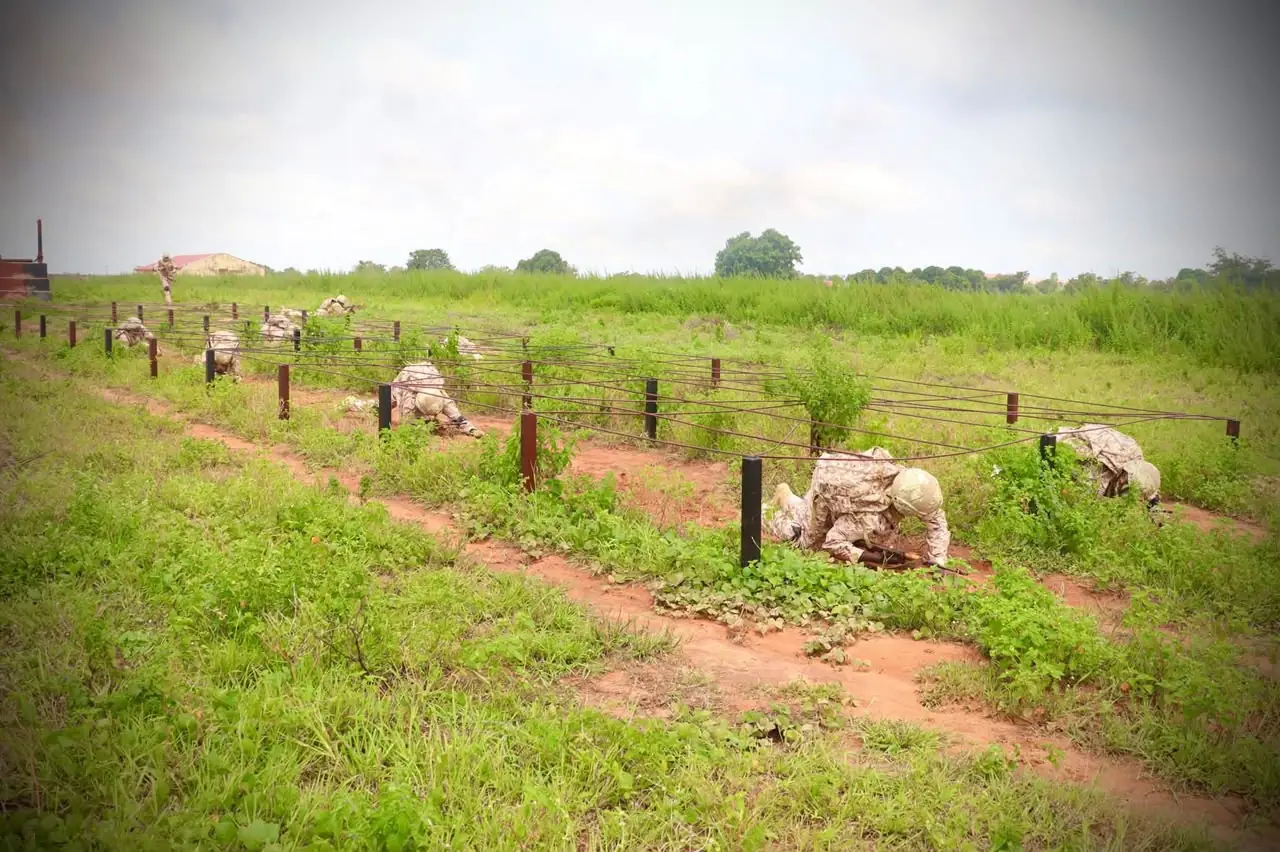
Training features a 20-obstacle course and a specially designed maze to build soldiers’ resilience and combat readiness.
October 9, (THEWILL) – The Nigerian Army has strengthened its counter-terrorism and internal security capabilities with the graduation of a new Special Forces battalion, aimed at improving its capacity to confront terrorist groups and dismantle criminal networks across the country.
The Chief of Army Staff (COAS), Lieutenant General Waidi Shaibu, presided over the graduation ceremony at the Nigerian Army Special Forces School, Doma, Nasarawa State, on Friday, following six months of intensive military training.
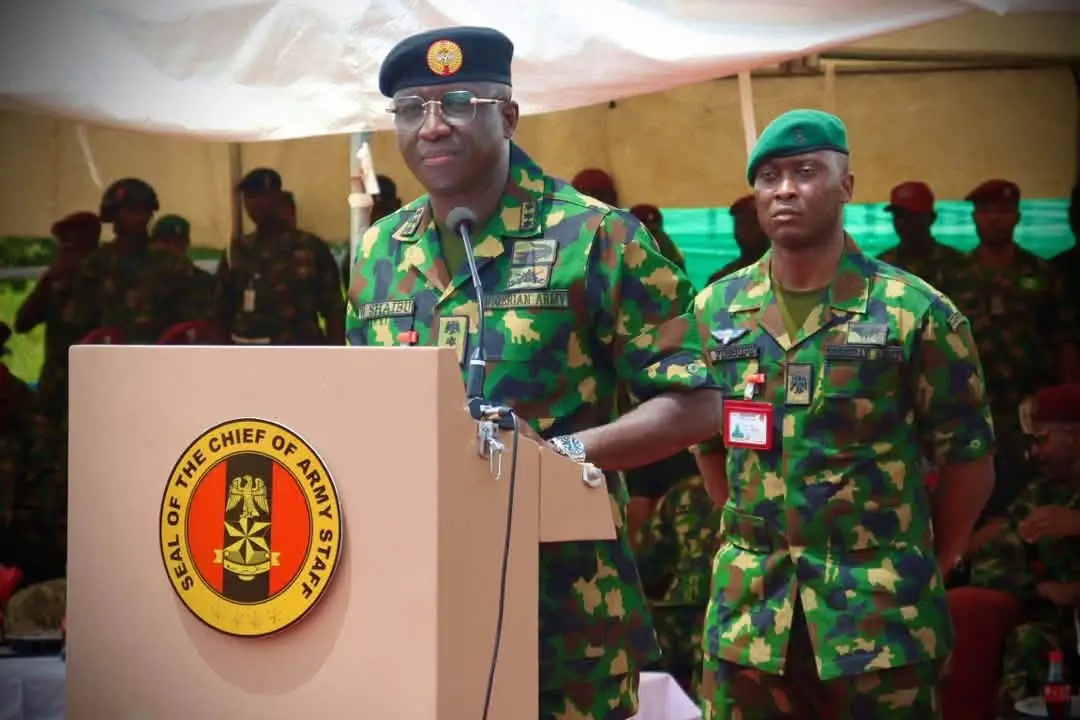
The new battalion is expected to enhance the Army’s capacity to conduct specialised operations, penetrate difficult terrain and respond to evolving security threats, including the use of drones, improvised explosive devices (IEDs) and other tactics employed by terrorists and armed criminal groups.

Shaibu said the Army’s expansion from eight to 12 divisions had created the need for corresponding specialised capabilities to maintain operational readiness and extend security coverage across the country.
He emphasised that the expansion of the Army’s formations must be matched by the development of specialised personnel capable of handling complex missions and confronting emerging threats in different operational environments.
According to him, the new battalion will strengthen the capacity of field formations to respond to the country’s evolving security challenges and improve the military’s effectiveness in counter-terrorism and internal security operations.
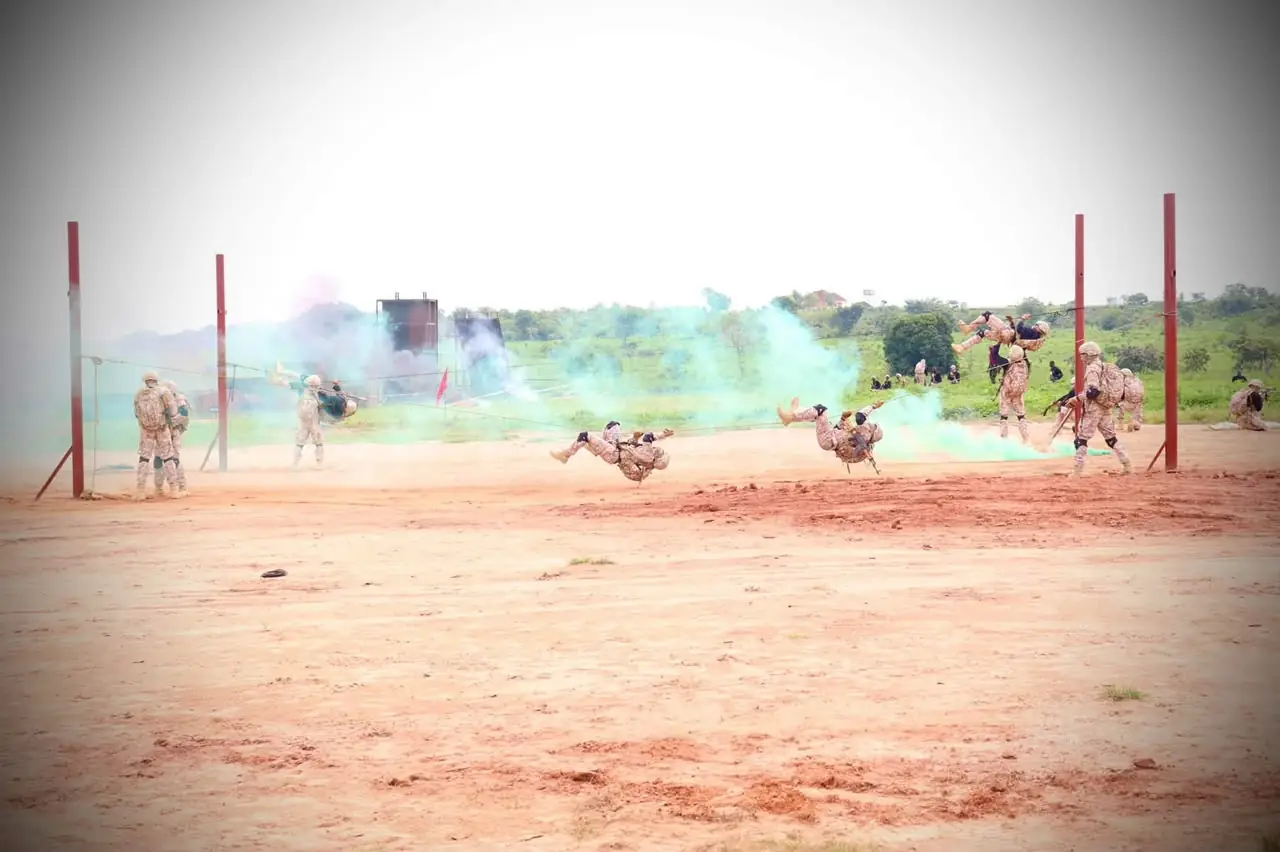
Specialised Training
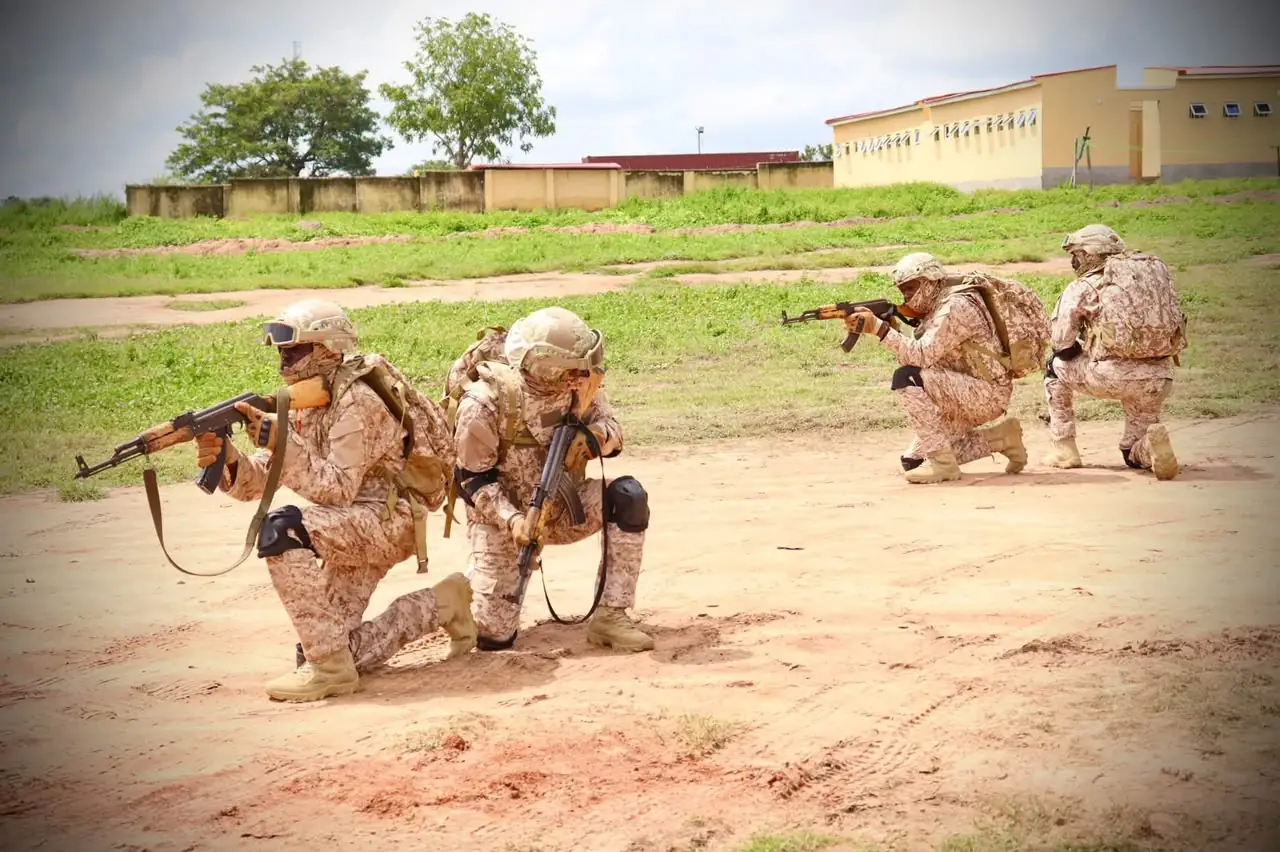
The graduands completed six months of intensive training designed to improve their combat proficiency, resilience and adaptability in demanding operational environments.
The programme prepared the soldiers for specialised missions requiring advanced combat skills, physical endurance, tactical flexibility and the ability to operate under extreme conditions.
Facilities at the Nigerian Army Special Forces School include what the Army described as its most difficult and complex obstacle course to date, comprising 20 obstacles.
READ ALSO:
The school also features the Army’s first-ever maze, designed to help soldiers overcome the fear of darkness and confined spaces while improving their resilience and spatial orientation.
The facilities form part of the school’s efforts to prepare personnel for physically and psychologically demanding missions, where the ability to remain composed, navigate difficult environments and respond rapidly to threats is essential.
The training is expected to equip the newly graduated soldiers with the specialised skills required to support field formations in counter-terrorism operations and other military assignments.
Background
Nigeria continues to face security challenges involving insurgency, terrorism, banditry and other forms of armed criminality in different parts of the country.
These threats have required sustained military operations and the development of specialised capabilities to confront armed groups operating in difficult terrain.
The increasing use of improvised explosive devices, drones and other evolving tactics by hostile groups has further underscored the need for specialised military training and operational preparedness.
Special Forces personnel are trained for missions requiring advanced reconnaissance, precision operations, rapid deployment and the ability to operate in challenging environments where conventional military approaches may be less effective.
The Nigerian Army’s expansion from eight to 12 divisions, as highlighted by the Chief of Army Staff, reflects the need to strengthen specialised capabilities alongside the growth of its operational formations.
The graduation of the new battalion is expected to enhance the Army’s capacity to respond to security threats. Its operational impact will depend on effective deployment, adequate equipment, reliable intelligence, and coordination with other security agencies.

Felix Ifijeh is a journalist with years of professional reporting experience. Known for his keen news sense, compelling storytelling and commitment to accurate, impactful reporting, he has built a reputation for turning leads into clear, engaging, and well-structured reports that resonate with readers. His work reflects deep newsroom experience and a commitment to accurate, impactful journalism.