
-
SDP presidential candidate Adewole Adebayo likens the Federal Government’s petrol discount to “Fuji House of Commotion”, accusing the administration of confusion and questioning the policy’s legal and financial framework.
-
Former Vice-President Atiku Abubakar rejects the 30-day relief, asking what happens when it expires and insisting that Nigerians need lasting reductions in fuel costs, not temporary concessions.
-
The Nigeria Democratic Congress and Makinde/Daura Presidential Campaign Organisation condemn the initiative as tokenism and a political stunt.
-
Opposition figures raise concerns over the restriction of discounted petrol to NNPC retail outlets, warning of long queues and safety risks while demanding sustainable measures to reduce transport fares and the cost of living.
October 09, (THEWILL) – The Federal Government’s decision to introduce a 30-day petrol discount has triggered a wave of criticism from opposition political figures, with the Social Democratic Party (SDP) presidential candidate, Prince Adewole Adebayo, likening the initiative to the television series ‘Fuji House of Commotion’, while former Vice-President Atiku Abubakar declared that Nigerians were not fools to accept temporary relief after years of economic hardship.
The opposition leaders questioned the timing, scope and sustainability of the intervention, arguing that the measure would do little to address the high cost of petrol, rising transportation fares, food prices and mounting pressure on household incomes.
THEWILL reports that the Federal Government announced the discount on Thursday, with public transport operators to receive priority under the arrangement at Nigerian National Petroleum Company Limited (NNPC Ltd) retail outlets.

The Minister of Finance and Coordinating Minister of the Economy, Taiwo Oyedele, said the measure was not a return to petrol subsidy but an arrangement under which NNPC would sell petrol at cost for an initial period of 30 days.
However, Adebayo, Atiku, the National Leadership of the Nigeria Democratic Congress (NDC) and the Makinde/Daura Presidential Campaign Organisation (MDPCO) have criticised the initiative, describing it variously as confusing, inadequate, tokenistic and politically motivated.
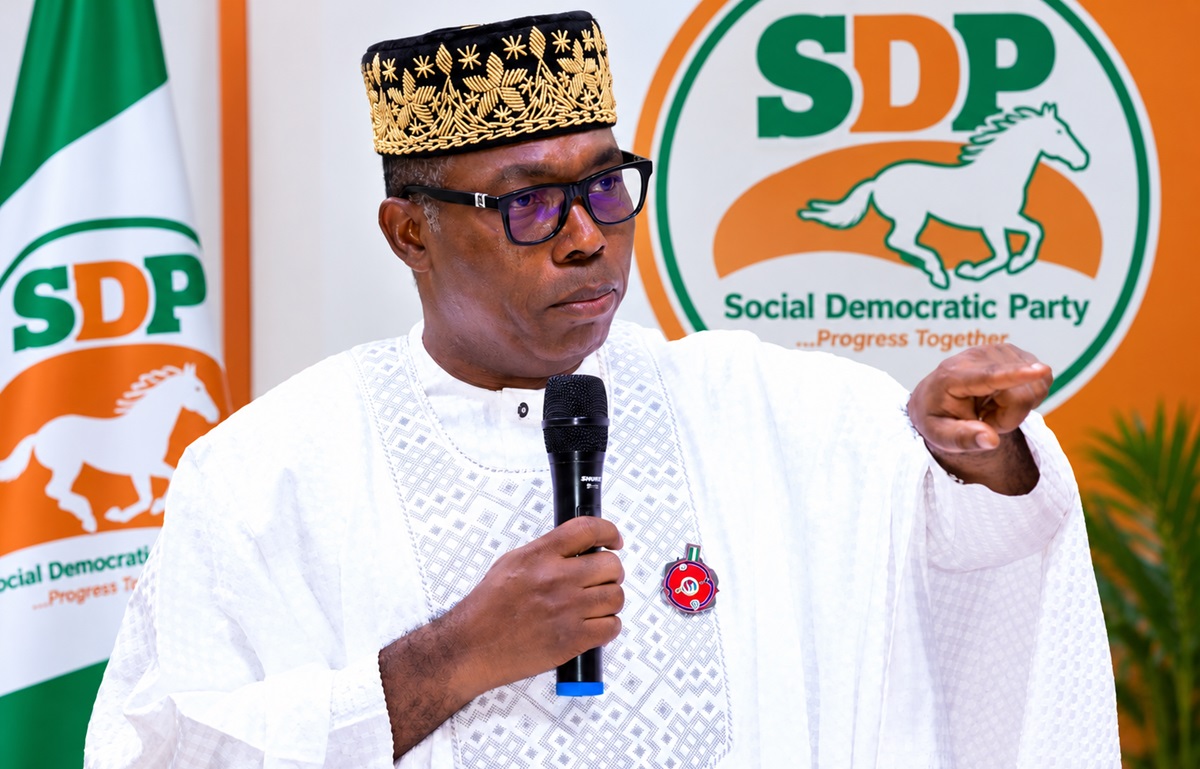
Adebayo, who spoke during an interview on Channels Television’s Politics Today, said the announcement reminded him of the popular 1990s television series Fuji House of Commotion, suggesting that the government had failed to present a coherent plan for addressing the country’s economic difficulties.
“I saw the visual and heard of the policy or statement; I don’t know. There is no plan behind it, so I cannot know whether it is a policy or a gesture, but it immediately reminds me of a series on television in the 90s called Fuji House of Commotion”, he stated.
The SDP candidate questioned the institutional arrangements behind the initiative, arguing that the government had not clearly explained its legal basis or the financial framework through which the discount would be implemented.
He also questioned the duration of the intervention, describing the 30-day period as too brief to qualify as a meaningful short-, medium- or long-term economic policy.
“One month is not short term; it is not medium term; it is not long term; it is a flash in the moment”, Adebayo addeid.
He argued that the administration appeared to be struggling with the consequences of its own economic decisions.
“So, long and short, it looks to me like the government is genuinely now and sincerely confused because they have created problems for themselves”, he noted.

Atiku also rejected the initiative, describing it as a temporary response to a crisis that had persisted for years under the administration of President Bola Tinubu.
In a statement issued through Phrank Shaibu, Director of Strategic Communication of the African Democratic Congress (ADC) Presidential Campaign Council, the former vice-president said Nigerians should not be expected to regard a one-month discount as an adequate response to rising fuel prices and the cost-of-living crisis.
“Atiku totally rejects this calendar-scheduled, election-laced subsidy package. Nigerians are not fools to be offered a month of discounted fuel after years of punishing prices and then expected to forget the hardship when the discount expires”, he said.
Atiku questioned what would happen after the discount ended, warning that motorists and commuters could return to paying high fuel prices, while transport fares and food costs remained elevated.
“What happens on Day 31? Nigerians wake up to the same brutal prices, the same punishing transport fares and the same rising cost of food”, he asked.
He also questioned the absence of clear details on how much consumers would save per litre and whether the savings enjoyed by public transport operators would translate into lower fares for passengers.
Atiku maintained that the government should adopt a more sustainable approach to petroleum pricing, reiterating his proposal for capped and budgeted production support tied to petrol refined in Nigeria.
He said such an arrangement should include safeguards to ensure that consumers benefit directly while domestic refining receives the support needed to strengthen local supply.
“Nigerians need lasting relief, not a countdown to the return of hardship. Tinubu’s government cannot spend years telling Nigerians to endure, then offer 30 days of relief and call it a solution”, he said.
The NDC also condemned the discount, describing it as “tokenism” and a “Greek gift” that would not adequately address the economic challenges confronting millions of Nigerians.
In a statement issued on Thursday and signed by its National Publicity Secretary, Osa Director, the party questioned the consequences of petrol subsidy removal for workers, businesses and households, particularly those struggling with rising living costs and access to essential services.
“What happens to the millions of Nigerians who lost their jobs and whose businesses collapsed as a result of the callous and poorly planned removal of subsidy?” the party asked.
The party also questioned the practicality of restricting discounted petrol sales to designated NNPC retail outlets, asking whether the available stations could adequately serve the country’s population.
It warned that the arrangement could produce long queues, congestion and safety risks at filling stations.
“Even the bogus promise to dispense discounted fuel at designated NNPC retail outlets is not pragmatic. How many such outlets exist in Nigeria to serve over 200 million Nigerians?” the statement read.
The NDC further alleged that the initiative amounted to an attempt to reintroduce petrol subsidy through the backdoor, although the Federal Government has maintained that the arrangement is a cost-based sales measure and not a return to subsidy.
The party also criticised the administration’s broader economic policies, arguing that the temporary intervention had failed to provide a lasting solution to the pressures on household incomes and business operations.
It subsequently urged Nigerians to support its presidential candidate, Peter Obi, and other NDC candidates in the 2027 general elections, saying the party would pursue a different economic direction.
Similarly, the Makinde/Daura Presidential Campaign Organisation rejected the discount, describing it as a political stunt designed to influence public opinion ahead of the 2027 elections.
In a statement issued on Thursday by its Director of Strategic Communications, Richard Ihediwa, the organisation said a ₦60-per-litre reduction from petrol prices of about ₦1,400 was insufficient to provide meaningful relief.
It accused the Tinubu administration of presiding over petrol price increases of up to 733 percent and questioned why the government was offering what it described as a negligible reduction when Nigerians expected a substantial cut.
The organisation also faulted the decision to limit the discount to selected NNPC retail outlets and a 30-day period, arguing that the arrangement demonstrated the need for a more comprehensive approach to petroleum pricing.
It separately criticised the government’s offer to sell crude oil to domestic refineries at $80 per barrel, describing the arrangement as “distasteful and offensive” for an oil-producing country.
The campaign organisation called on voters to support the Allied Peoples Movement (APM) and its presidential candidate, Seyi Makinde, arguing that a different administration would focus on managing Nigeria’s natural resources more transparently and ensuring that citizens benefited from the country’s wealth.
READ ALSO:
Background
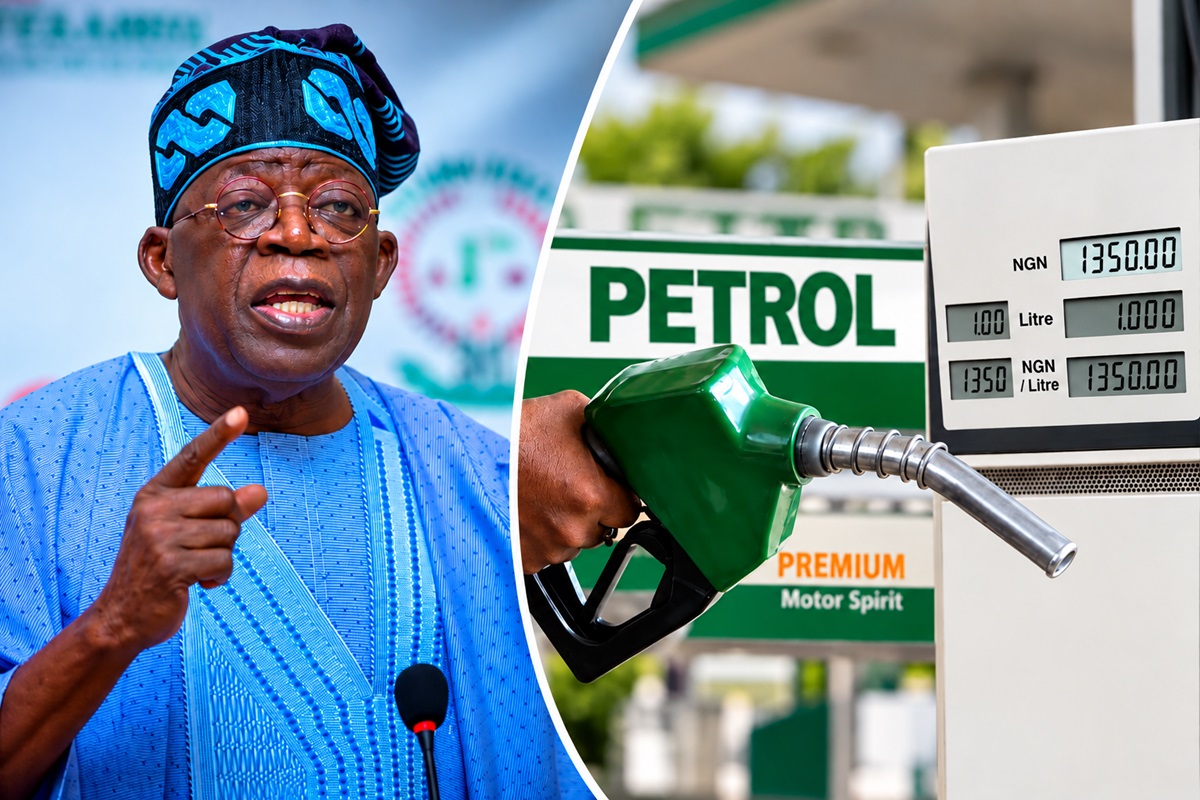 Tinubu announced the removal of petrol subsidy during his inaugural address on May 29, 2023, declaring that the subsidy regime had ended. The decision was followed by sharp increases in petrol prices, which raised transportation and distribution costs and contributed to inflationary pressures across the economy.
The higher cost of moving goods and people has affected households, traders, manufacturers and transport operators, while the increased cost of basic commodities has continued to fuel public concern over living standards.
The Federal Government has maintained that subsidy removal was necessary to reduce fiscal pressures and redirect public resources towards other priorities. However, critics have argued that the policy’s implementation was not accompanied by sufficient measures to cushion its immediate effects on citizens.
The latest 30-day discount is intended to provide temporary relief, particularly to public transport operators. Yet opposition figures have questioned whether the reduction will translate into lower fares and meaningful savings for consumers, as well as what measures will follow when the initiative expires.
Their central demand is for a sustainable approach that reduces the burden of fuel costs on households and businesses rather than a temporary intervention that leaves the underlying pressures largely unchanged.

Felix Ifijeh is a journalist with years of professional reporting experience. Known for his keen news sense, compelling storytelling and commitment to accurate, impactful reporting, he has built a reputation for turning leads into clear, engaging, and well-structured reports that resonate with readers. His work reflects deep newsroom experience and a commitment to accurate, impactful journalism.
