
-
The government plans to transfer outstanding 2026 projects and spending commitments into the 2027 budget.
-
Finance Minister Taiwo Oyedele says the aim is to stop implementing multiple budgets simultaneously.
-
President Bola Tinubu previously promised a single-budget system from April 2026.
-
The announcement provides no project-by-project funding or payment timetable.
October 09, (THEWILL) – Nigeria plans to move unfinished projects and outstanding spending commitments from its 2026 budget into 2027, renewing an effort to end overlapping budgets months after the government’s original deadline.
Finance Minister and Coordinating Minister of the Economy, Taiwo Oyedele, outlined the plan on Thursday, October 8, at the World Bank’s Nigeria Development Update launch in Abuja.
“Whatever is left of 2026, we’re transferring into 2027, not running two budgets”, he said, according to a report published on Friday.

The proposed transfer would bring outstanding commitments into the next spending plan. It does not, by itself, establish when contractors will receive payment or when affected projects will be completed.
An April Promise Returns In October
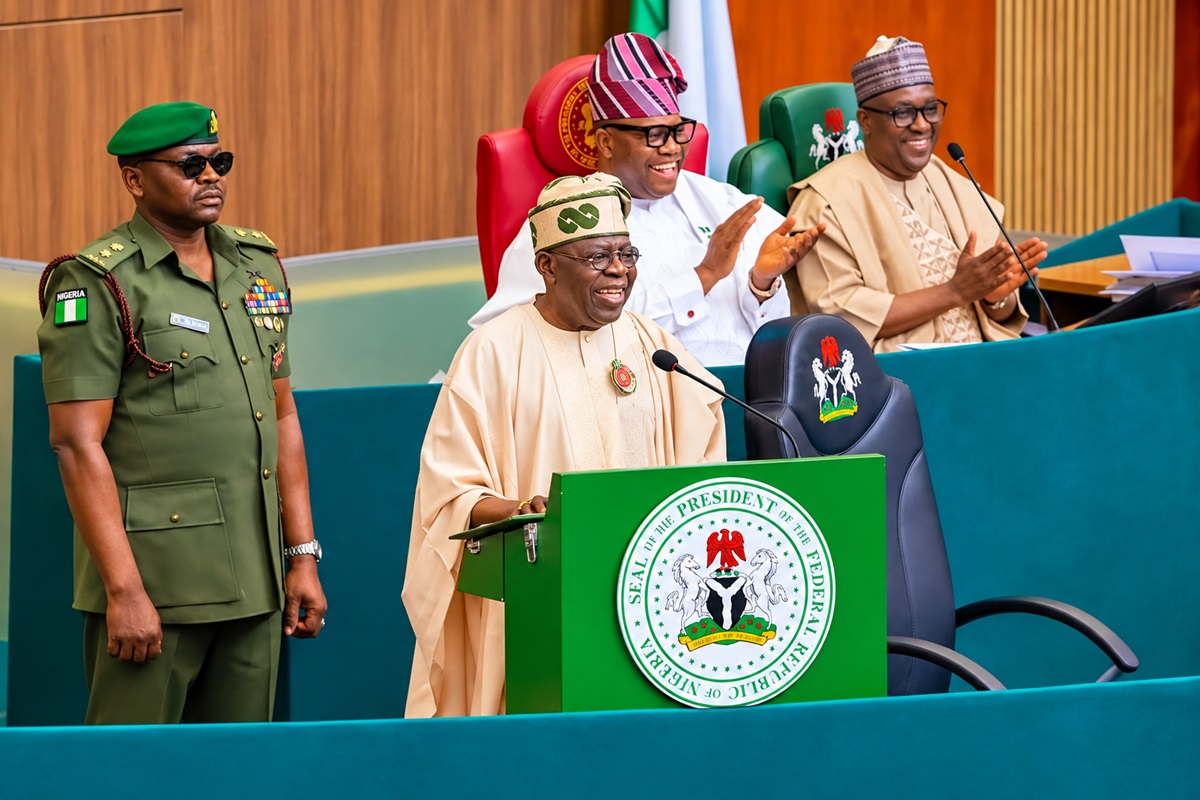
President Bola Tinubu had set an earlier deadline for resolving the backlog.
While presenting the 2026 budget proposal on December 19, 2025, he promised capital liabilities inherited from previous years will be funded and closed by March 31, 2026.
“From April, Nigeria will operate on a single budget backed by a single revenue cycle”, Tinubu stated.
His address also showed how unfinished commitments were competing for funding. By the third quarter of 2025, only ₦3.10 trillion, approximately 17.7% of that year’s capital budget, had been released. The President attributed the limited releases to the emphasis on completing priority projects from 2024.
Revenue was falling short too. The government had collected ₦18.6 trillion by that point, equivalent to 61% of its target. Those are historical figures from the President’s address, rather than a measure of current budget performance.
Oyedele’s latest announcement returns to the same underlying problem. He acknowledged weaknesses in revenue forecasting and said future spending plans would be grounded more firmly in actual fiscal performance.
READ ALSO:
Funding Work Already Promised
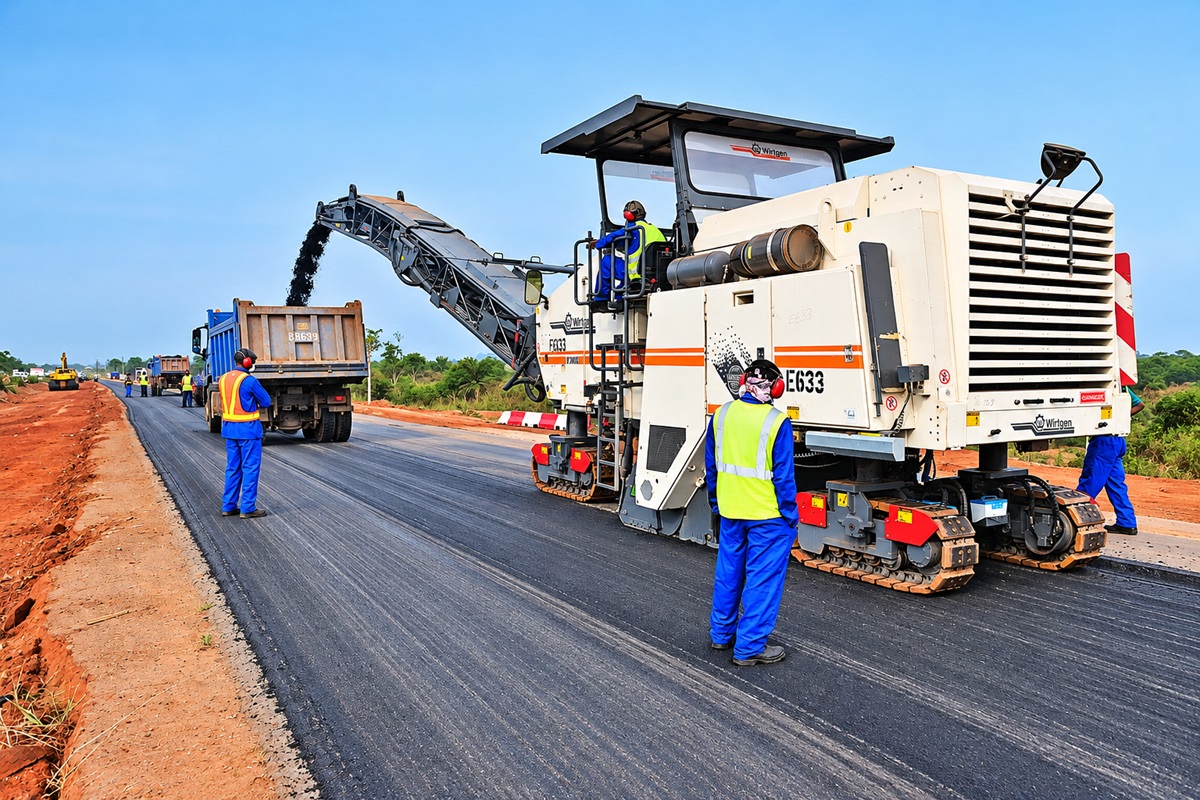
The government has previously defended budget extensions as a way to prevent projects from being abandoned.
In a May 17 statement, the Budget Office said extensions helped preserve contractor liquidity, sustain employment and keep ongoing capital works moving. It also stressed that spending authority depends on legislation approved by the National Assembly.
That rationale explains why unfinished commitments survive beyond their original budget year. However, placing them in a subsequent budget still leaves decisions about which projects receive money first and how quickly funds become available.
For contractors and suppliers, those decisions determine whether they can pay workers, purchase materials, and continue construction. A budget allocation alone provides no payment date.
Oyedele said the government intended to submit the 2027 appropriation proposal before the new fiscal year, although he could not guarantee the legislative timetable. The reported announcement did not specify the value of commitments to be transferred or provide a project list. Those details remain outstanding as ministries prepare next year’s spending requests.

Joy Onuorah is a business journalist and brand communications specialist covering financial markets, artificial intelligence, digital economy, and the ideas reshaping business across Africa and the global market. Beyond her reporting for TheWill, Joy uses brand strategy, storytelling, copywriting, and high-value SEO to help brands build lasting market authority.