
-
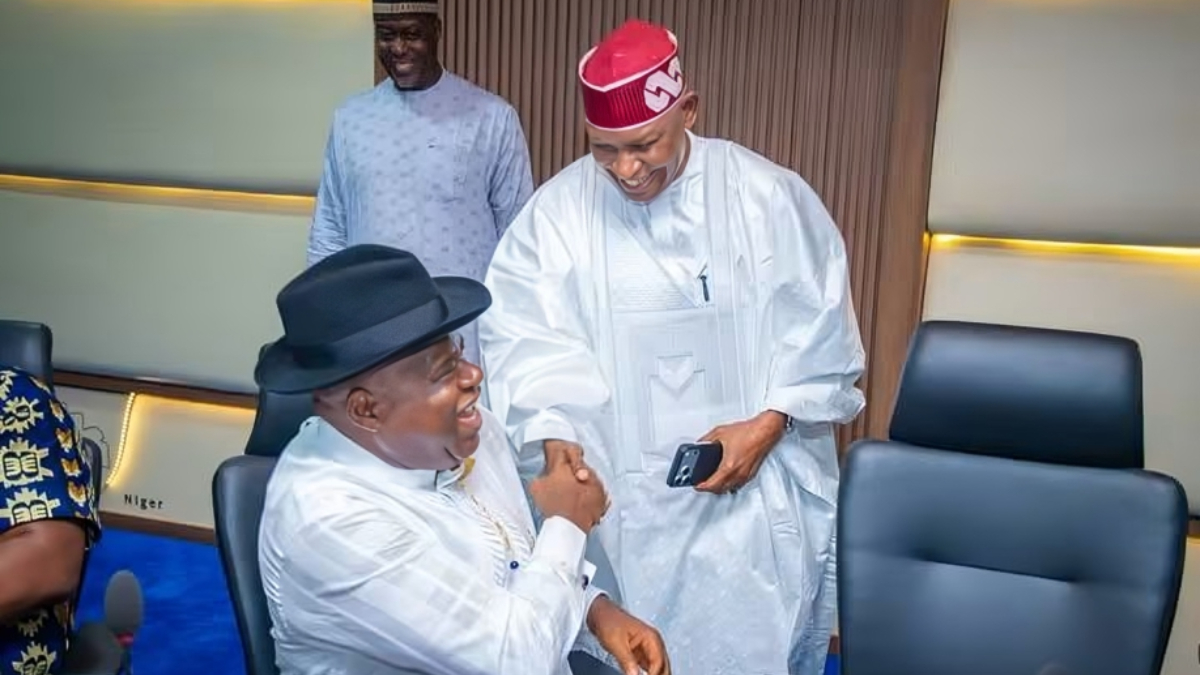
The 36 state governors have rejected allegations that states failed to account for funds accruing from the removal of the petrol subsidy, with Bayelsa Governor Douye Diri declaring that the claim “cannot be true” while declining to engage further in the debate.
-
The governors endorsed the proposed National Affordable CNG Transit Programme, which seeks to leverage the lower operating cost of Compressed Natural Gas to cut passenger fares through vehicle conversions, CNG-powered fleets and supporting infrastructure.
-
The NGF said cheaper transportation could help moderate food inflation, arguing that the cost of moving farm produce and other goods from one location to another is directly reflected in the prices paid by consumers.
The governors also pledged support for CANEX Weekend 2026 and the Intra-African Trade Fair 2027, saying the platforms would help states attract investment, expand exports, promote tourism and expose local businesses to wider African and global markets.
August 27, (THEWILL) — The 36 state governors, on Thursday, rejected allegations that state governments have failed to properly account for funds accruing to them following the removal of the petrol subsidy, setting the stage for a fresh confrontation over the management of additional public revenues since the controversial reform.
THEWILL reports that the governors, operating under the aegis of the Nigeria Governors’ Forum (NGF), dismissed the allegation at the end of their third meeting at the Forum’s Secretariat in Abuja.
Bayelsa State Governor, Douye Diri, who read the communiqué on behalf of the NGF Chairman, Kwara State Governor, AbdulRahman AbdulRazaq, gave a blunt response when asked whether the governors would accept blame for alleged poor accountability by sub-national governments over subsidy-removal funds.

“That cannot be true. That cannot be true. But we’ll leave that debate for another day”, Diri said.
The question of what state governments have done with additional revenues following the removal of the petrol subsidy has remained contentious, particularly against the backdrop of the severe economic hardship confronting households across the country.
The subsidy reform, introduced to end what successive administrations described as an unsustainable fiscal burden, has substantially increased petrol prices and, by extension, the cost of transportation and distribution.
While government revenues have risen as a consequence of the reform, Nigerians have continued to contend with higher food prices, transport fares and other living costs.
NGF Backs CNG Scheme to Cut Fares
At the same meeting, the governors backed the proposed National Affordable CNG Transit Programme, a state-led intervention designed to reduce transportation costs by exploiting the relatively lower operating cost of CNG.
The proposal provides for state support for the conversion of existing vehicles to CNG, deployment of CNG-powered fleets and the development of supporting infrastructure.
Participating transport operators are also expected to make commitments to reduce passenger fares.
In its communiqué, the NGF said the programme had the potential to ease the transportation burden on Nigerians but noted that its financing and implementation arrangements still required further consideration.
“The Forum received a presentation on the proposed National Affordable CNG Transit Programme (NACTP), a State-led initiative designed to translate the lower operating cost of CNG into reduced transport fares for citizens”, the Forum said
It added that the proposal envisaged state support for vehicle conversions, fleets and enabling infrastructure, alongside fare commitments from participating operators.
“Governors noted the initiative’s potential to ease transportation costs and agreed on the need to further consider its financing and implementation framework”, the communiqué stated.
Diri said the states would work with the private sector to increase the number of CNG-powered vehicles in the country.
“Gas is cheaper than petrol, which will actually reduce the costs of transportation”, he added.
According to him, the objective is not merely to reduce what commuters pay at motor parks but to trigger a wider reduction in the cost of goods and services.
“The impact is expected to be on our people, the common man”, Diri said.
The NGF explained that traders routinely factor transportation expenses into the prices of food commodities.
“Transportation is key. Transportation is key to several other factors”, the Forum said.
It cited food commodities as an example, noting that traders and suppliers often attribute increases in the prices of items such as yam and garri to the cost of moving them from one location to another.
READ ALSO:
The governors argued that the increase in the cost of virtually everything was linked, directly or indirectly, to higher transportation costs.
“And you see that the rise in the cost of every other thing is also hinged on the increase in transport,” the Forum said, adding that the CNG initiative was part of the measures being considered to cushion the impact of the subsidy removal, rather than a move to reverse the policy.
Despite their endorsement of the NACTP, Diri said the implementation details would be worked out between the NGF and the proponents of the programme.
Asked about the timeline, he said: “Those details will be worked out between the Forum and those who have come to present to the Forum.”
The meeting also considered opportunities for states to attract investment and expand their participation in regional and continental trade.
The Minister of Industry, Trade and Investment, Jumoke Oduwole, briefed the governors on opportunities for state participation in CANEX Weekend 2026 and the Intra-African Trade Fair (IATF) 2027, both scheduled to be held in Lagos.
The governors said the platforms could help states showcase investment-ready projects, promote local exports and tourism, and connect state-based Micro, Small and Medium Enterprises with investors and buyers across Africa and the global market.
The communiqué said the governors had expressed their collective resolve to participate and assured the minister of their support.
Felix Ifijeh is a journalist with years of professional reporting experience. Known for his keen news sense, compelling storytelling and commitment to accurate, impactful reporting, he has built a reputation for turning leads into clear, engaging, and well-structured reports that resonate with readers. His work reflects deep newsroom experience and a commitment to accurate, impactful journalism.