
-
Brent crude is trading around $107–108 per barrel, far above Nigeria’s $64.85 budget benchmark, creating room for stronger oil revenue and FX inflows.
-
Higher crude prices could also push up petrol, diesel, transport and production costs, putting fresh pressure on businesses and households.
-
Experts say the size of Nigeria’s windfall will depend on crude production, actual government receipts and whether higher oil earnings outweigh rising domestic energy costs.
September 17, (THEWILL) – Nigeria is getting a major boost from crude oil prices trading above $100 per barrel, but the windfall could come with high costs for households and businesses.
Brent crude was trading around $107–108 per barrel as of September 16, well above Nigeria’s 2026 budget benchmark of $64.85 per barrel.
At Nigeria’s current crude production of about 1.5 million barrels per day, the gap between the budget benchmark and the current market price represents a substantial increase in the gross value of crude produced.

But experts warn that higher prices alone will not guarantee a proportionate increase in government revenue.
Samuel Diala, an economist, said the crucial issue is not merely how high crude trades, but how much of the additional oil revenue actually reaches government finances without being offset by higher domestic energy and import costs.
-
Government revenue could rise
Higher crude prices should translate into stronger export earnings, royalties, taxes, and government oil revenue, potentially giving the Federal Government and states greater fiscal space.
However, production remains critical. Nigeria’s current output of about 1.5 million barrels per day is below the 1.84 million barrels per day production assumption in the 2026 budget.
Dr. Muda Yusuf, Founder and Chief Executive Officer of the Centre for the Promotion of Private Enterprise, said Nigeria stands to benefit through higher export earnings and government revenue, although the gains could be diluted by rising domestic energy costs.
Higher receipts could also improve the government’s ability to meet debt-service obligations and other expenditures.
-
Petrol prices could come under pressure
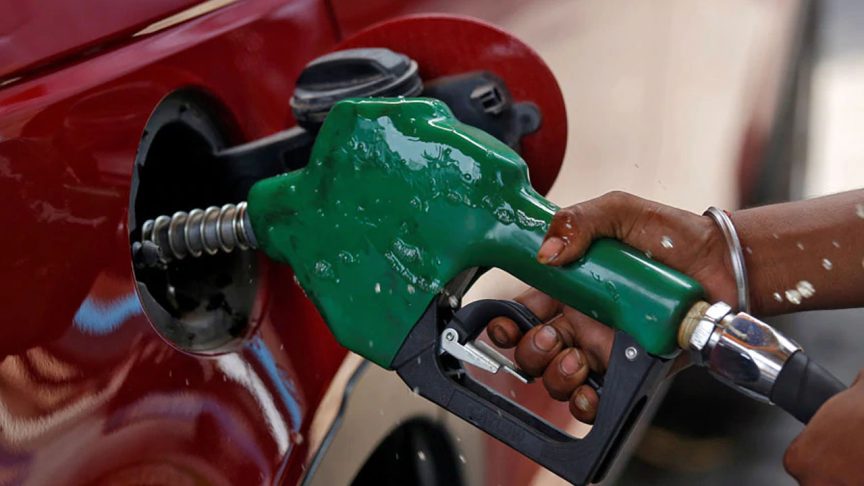
The same crude-price rally that boosts Nigeria’s export earnings can raise the cost of petroleum products.
Nigeria’s downstream market now operates under market-based pricing, meaning higher international crude prices can feed into petrol prices even as domestic refining capacity expands.
Mike Akannor, an economist and finance expert, said higher crude prices could increase living costs because of the way refiners and marketers respond to international market conditions.
READ ALSO:
“Higher international crude prices can translate into higher domestic fuel costs, particularly when refiners and marketers adjust to international market conditions,” he said.
The expansion of domestic refining could reduce reliance on imported products and associated foreign-exchange costs, but it does not completely insulate the domestic market from global crude-price movements.
-
Diesel could worsen business costs
Diesel prices have already crossed N2,000 per litre in some Nigerian markets, creating a major cost burden for manufacturers, logistics operators, telecom companies and small businesses.
A sustained increase in crude and refined-product prices could push diesel costs higher, raising expenses for power generation, transportation and distribution.
That could eventually feed into the prices of manufactured goods, services and food as businesses pass part of the additional costs to consumers.
Dr. Muda Yusuf said the potential rise in manufacturing, logistics and production costs remains one of the major risks attached to the current oil-price surge.
-
FX liquidity could improve
Higher oil prices can increase Nigeria’s dollar earnings, supporting foreign-exchange liquidity and potentially helping the Central Bank of Nigeria build reserves.
But the benefit depends on how much crude Nigeria can actually sell.
Production losses, theft, mature fields and infrastructure constraints have historically limited the country’s ability to fully exploit high oil prices.
Bismarck J. Rewane, Managing Director and Chief Executive Officer of Financial Derivatives Company, has said an oil-price windfall can improve Nigeria’s external position, but the country’s dependence on crude means the improvement can remain temporary without stronger production and broader economic gains.
With oil above $100, every additional barrel Nigeria can reliably produce has a greater impact on export earnings.
-
Inflation may become the biggest downside
The biggest risk is that higher oil prices generate stronger government and export earnings while simultaneously increasing domestic energy and transport costs.
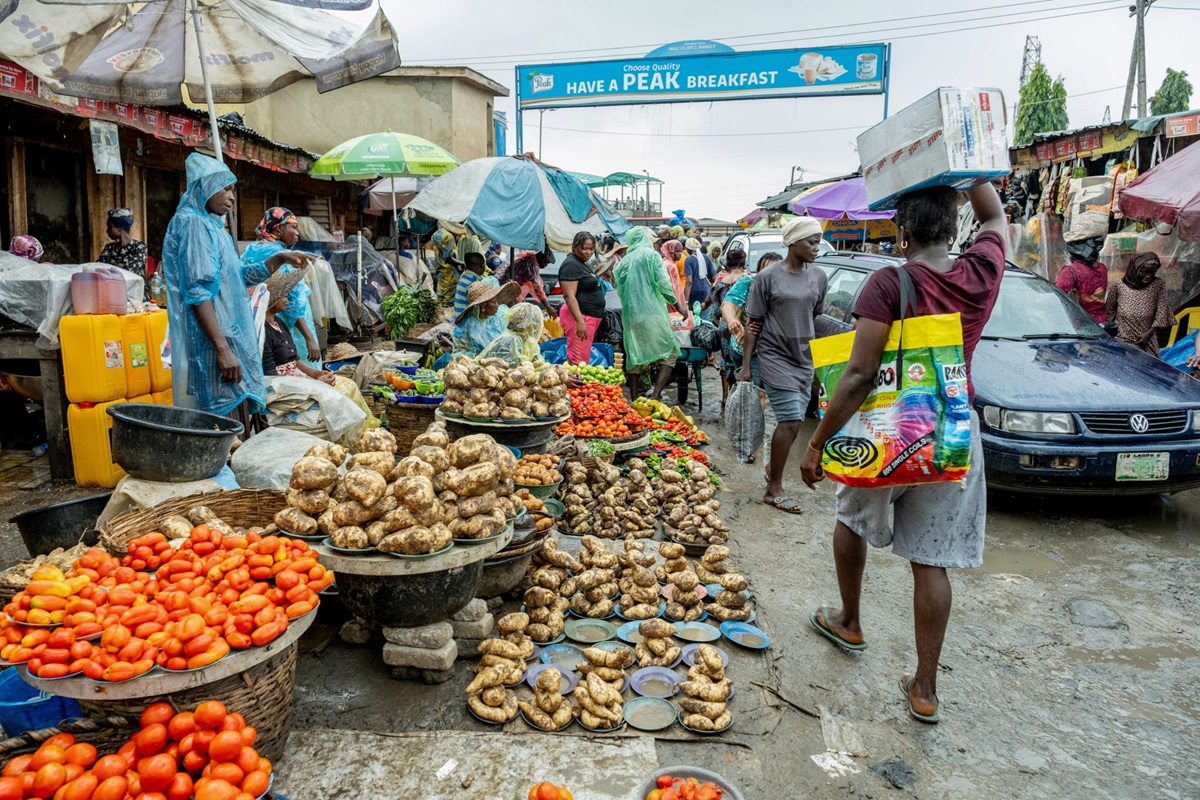
Higher petrol and diesel prices can raise transportation and production costs, with possible spillovers into food prices.
This creates a policy challenge for the Central Bank of Nigeria, particularly if higher inflation comes through energy and supply-side pressures rather than stronger domestic demand.
The central question is therefore whether $100-plus oil becomes a genuine fiscal and external-sector windfall or another inflationary shock.
For Nigeria, the answer will depend less on the headline crude price than on production volumes, actual oil receipts, foreign-exchange inflows and how effectively the additional revenue is managed.

Ogochukwu Onwaeze is a writer specializing in business and economic journalism. At THEWILL News Media, she translates market trends, financial developments, and policy shifts into clear and engaging stories.