
-
IEA talks were scheduled for Wednesday over emergency fuel supplies.
-
Europe’s contributions could largely fulfil earlier commitments.
-
The IEA says diesel supplies remain strained despite recovering crude exports.
-
No Nigerian diesel-price reduction has been established.
October 07, (THEWILL) – Plans to ease global diesel shortages face uncertainty over how much additional fuel countries will supply, as the International Energy Agency prepares to work through the G7’s emergency reserves pledge.
An informal IEA governing-board meeting was scheduled for Wednesday, October 7, at noon Nigerian time, two European Union diplomats told Reuters. Discussions concern a proposed release of crude oil and diesel, but the quantities of each fuel remain unresolved.
Meanwhile, Bloomberg reported that EU officials broadly agreed during their own Wednesday meeting that further releases should remain within commitments made in March. Its account, based on a meeting memo, suggests the headline promise may deliver less additional supply than some buyers anticipated.

How Much Fuel Is Actually Additional?

G7 leaders agreed on October 2 to make up to 100 million barrels of crude oil and diesel available from emergency reserves. However, the relationship between that pledge and an earlier stock-release programme remains unclear.
The IEA confirmed on October 2 that approximately 325 million barrels had already been released under the 400-million-barrel intervention announced on March 11. Around 75 million barrels therefore remained within that earlier commitment.
That accounting affects the likely impact. Accelerating previously promised deliveries could still provide useful relief, but it would not represent the same increase in available supply as a wholly additional release.
Bloomberg’s account also said no EU country explicitly committed at Wednesday’s meeting to supplying diesel within the proposed initial 20-day window.
France and Italy might consider additional diesel beyond their March commitments, although neither had made a decision, according to the memo. Those remain reported negotiating positions, rather than final allocations.
READ ALSO:
More Crude Does Not Immediately Mean More Diesel
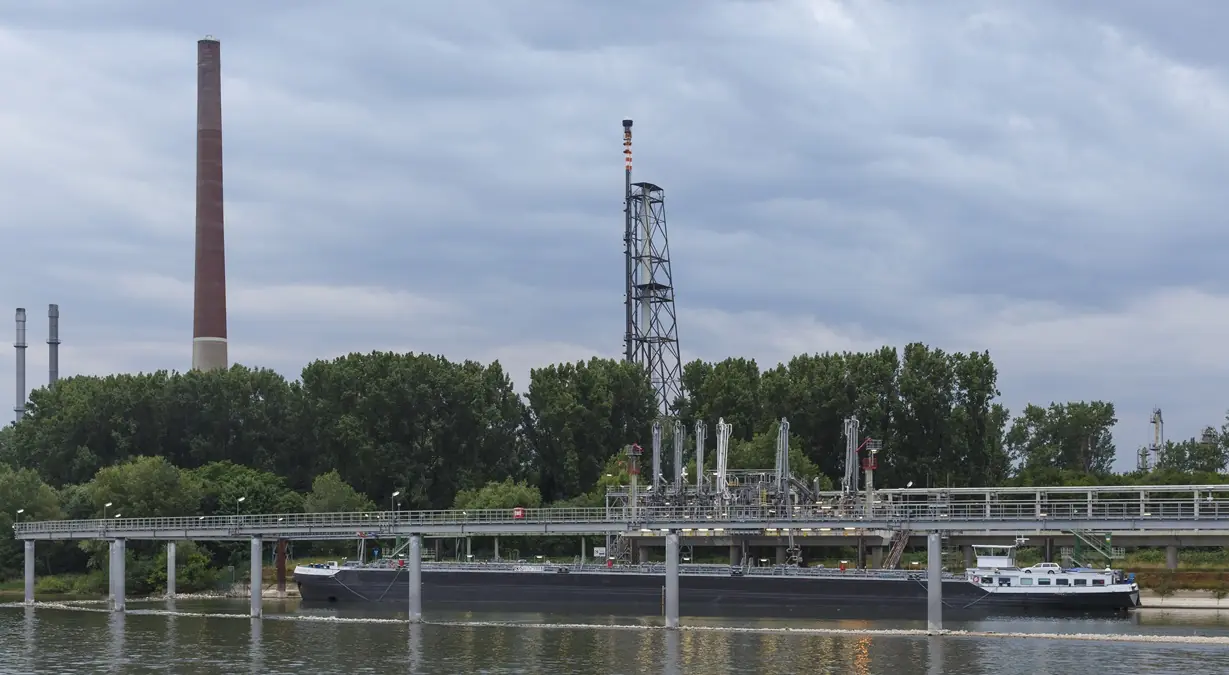 The pressure on diesel has persisted even as Middle Eastern crude exports have recovered significantly.
In its October 2 assessment, the IEA said refined-product flows remained severely constrained. Attacks on Russian refineries had compounded the disruption, leaving diesel markets tighter and prices higher.
Crude oil must pass through a refinery before it becomes diesel. Consequently, releasing crude and releasing finished fuel can produce different results when refining or transport capacity is constrained. Buyers need to know which products are coming, where they will be available and how quickly they can reach customers.
For Nigerian businesses buying diesel for generators or haulage, an improvement in international supply could ease one source of cost pressure. It would not guarantee an equivalent reduction locally, where exchange rates, freight, inventories and suppliers’ pricing also influence the bill.
Reuters reported on Tuesday that the IEA board was expected to settle release details at its October 14–15 meeting, citing two people familiar with the discussions. Until quantities, products and delivery dates are confirmed, Nigerian buyers have no verified price reduction to build into their budgets.

Joy Onuorah is a business journalist and brand communications specialist covering financial markets, artificial intelligence, digital economy, and the ideas reshaping business across Africa and the global market. Beyond her reporting for TheWill, Joy uses brand strategy, storytelling, copywriting, and high-value SEO to help brands build lasting market authority.