
-
ECOWAS Parliament Speaker, Hajia Memounatou Ibrahima, has described Ghana’s decision to entrust the vice presidency to Prof. Jane Naana Opoku-Agyemang as a powerful message to West Africa that women can occupy the highest levels of political leadership.
-
The ECOWAS Speaker said the Ghanaian Vice President’s political journey carries significance beyond Ghana, arguing that her emergence provides an example for young girls across Africa and reinforces the case for greater participation of women in governance.
-
Discussions between Ibrahima and Opoku-Agyemang also focused on harmonising curricula and ensuring mutual recognition of diplomas across member states, with the ECOWAS Speaker saying the measures are essential to making regional free movement meaningful for young people.
-
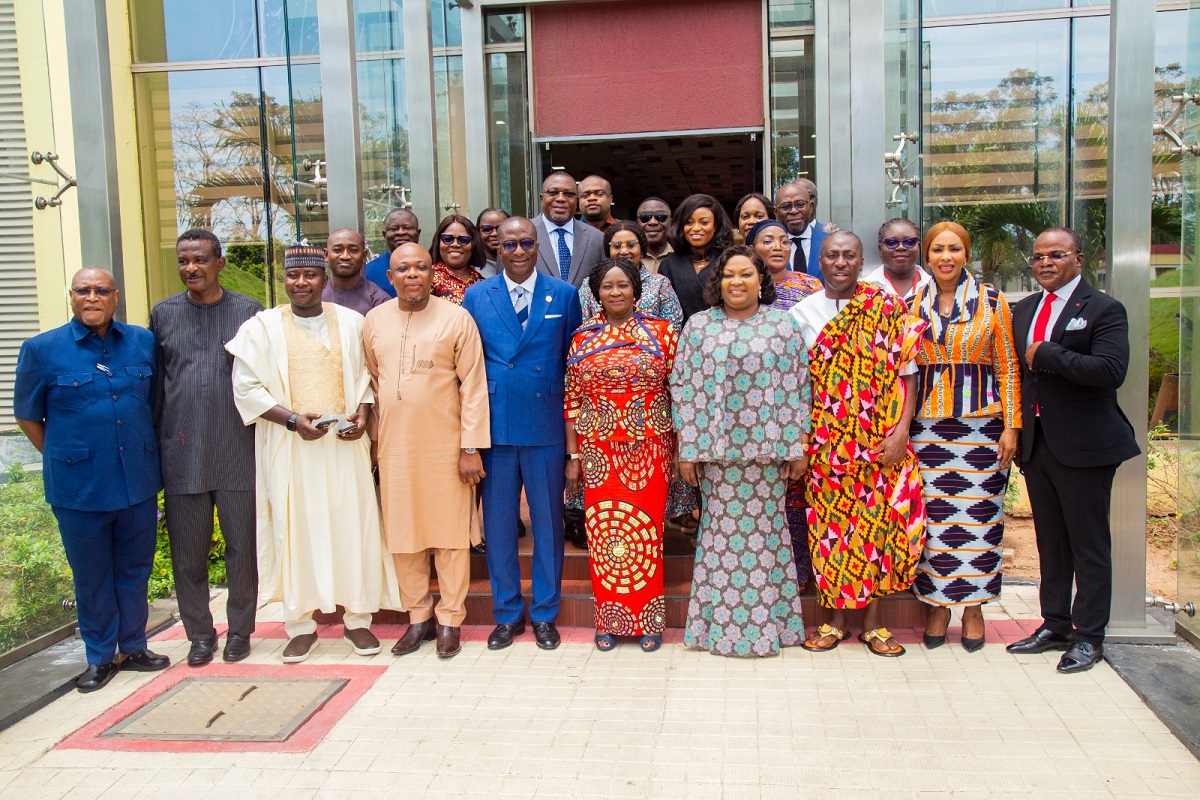
The meeting took place on the sidelines of the ECOWAS Parliament’s Second Extraordinary Session and Second Parliamentary Seminar of 2026 in Accra, as the regional legislature marks its 25th anniversary and reviews its role in strengthening oversight and integration across West Africa.
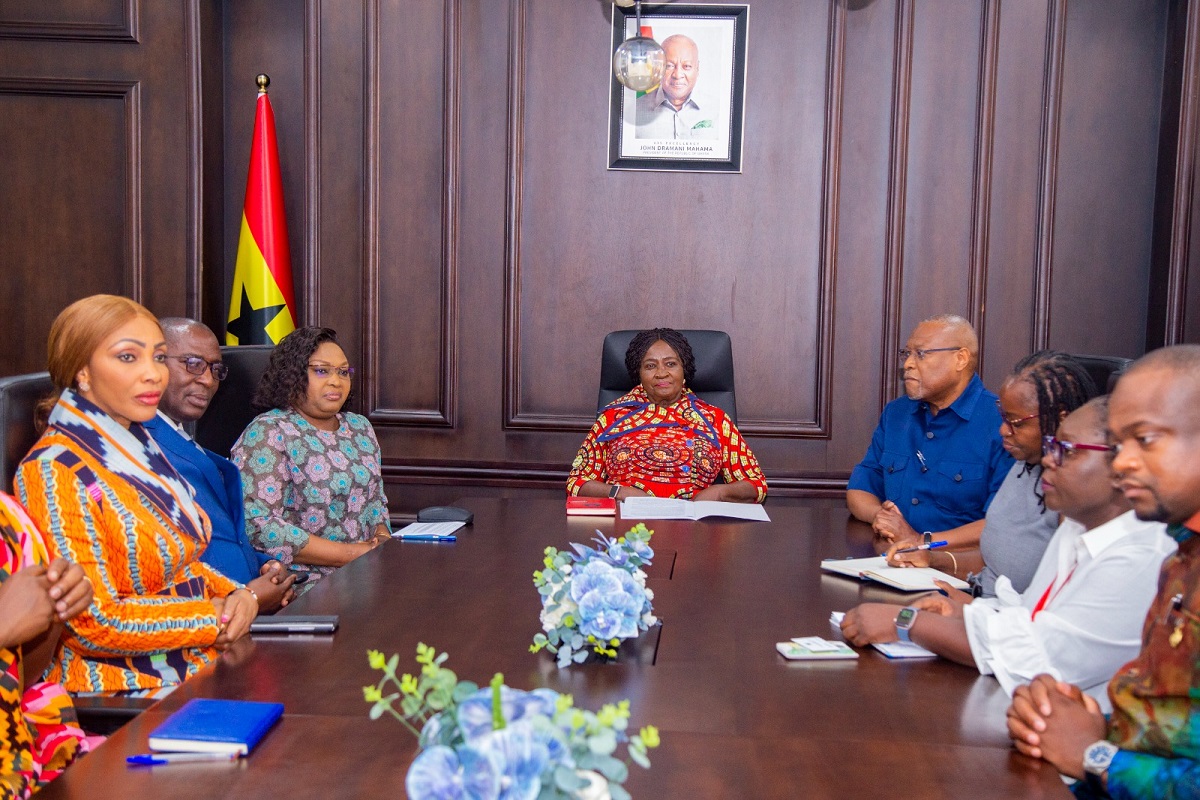
September 23, (THEWILL) – The Speaker of the Economic Community of West African States (ECOWAS) Parliament, Rt. Hon. Hajia Memounatou Ibrahima, has said Ghana’s decision to entrust its vice presidency to a woman has raised the bar for women’s political leadership in West Africa.
Ibrahima made the declaration after holding an audience with Ghana’s Vice President, Prof. Jane Naana Opoku-Agyemang, on the sidelines of the ongoing Second Extraordinary Session of the ECOWAS Parliament and Second 2026 Parliamentary Seminar in Accra.
The ECOWAS Speaker described the meeting with Opoku-Agyemang as an honour and expressed appreciation to the Vice President for her availability and for the speech she delivered at the opening of the parliamentary proceedings.

She also extended warm commendation to President John Dramani Mahama and the people of Ghana, saying the country’s decision to place a woman in the second-highest political office had sent an important message to the rest of the region.
“By entrusting the vice presidency to a woman, Ghana sends a powerful message to our entire region: that Africa believes in women’s leadership. Her journey is an inspiration to millions of young girls”, Ibrahima stated.
READ ALSO:
The remarks put Ghana’s female vice presidency within the wider regional debate on women’s participation in political leadership and decision-making.
For the ECOWAS Speaker, the significance of Opoku-Agyemang’s position goes beyond the country’s domestic political structure, particularly because the example could influence perceptions of what is possible for women and girls seeking leadership positions across West Africa.
The engagement also carried particular significance as Ibrahima herself leads the ECOWAS Parliament at a time the institution is marking 25 years of its existence.
ECOWAS Parliament At 25
The meeting between the two leaders was not limited to the issue of women’s political representation.
Ibrahima said discussions also examined the 25th anniversary of the ECOWAS Parliament and its core responsibilities within the regional integration architecture.
Among the issues considered were the parliament’s mandate to issue opinions on matters referred to it, examine the budget of the ECOWAS Commission and undertake oversight missions.
The ECOWAS Parliament was established to provide a representative parliamentary dimension to the regional integration process and give citizens of member states a greater voice in the affairs of the community.
Its 25th anniversary comes as ECOWAS continues to face the challenge of translating regional policies and agreements into tangible benefits for citizens.
The parliamentary session in Accra provides an opportunity for legislators from across the region to examine the community’s progress and consider ways of strengthening its institutions and integration agenda.
Youth Mobility Takes Centre Stage
One of the major issues discussed by Ibrahima and Opoku-Agyemang was the need to harmonise educational curricula and establish effective mechanisms for the mutual recognition of diplomas across ECOWAS member states. The issue is particularly relevant to young people, who constitute a significant proportion of West Africa’s population and are among the principal beneficiaries of regional integration.
Ibrahima argued that free movement should extend beyond the physical ability of citizens to cross national borders. She said graduates should also be able to move between member states and have their academic and professional qualifications recognised without facing unnecessary barriers.
The Speaker illustrated the point by referring to graduates from Lomé, Abuja and Dakar seeking opportunities in Accra.
“If a graduate from Lomé, Abuja or Dakar has their skills recognised in Accra, that is when free movement truly comes to life”, she said.
According to her, effective recognition of qualifications would help make regional integration more practical and contribute to building what she described as a “true ECOWAS of the Peoples.”
The proposed harmonisation of curricula and mutual recognition of diplomas touches on a longstanding challenge confronting regional integration.
While ECOWAS has developed frameworks intended to facilitate the movement of citizens across member states, differences in national education systems, qualification standards and professional requirements can complicate the ability of citizens to take advantage of opportunities outside their home countries. For students and graduates, recognition of qualifications can determine whether years of education and training are accepted by universities, employers and professional bodies in another member state.
The ECOWAS Parliament’s focus on the issue therefore places education at the centre of the bloc’s broader free-movement agenda.
Ibrahima’s position is that regional integration should be measured not only by agreements reached between governments but also by the opportunities those agreements create for ordinary citizens.
The emphasis on young people also reflects the growing importance of youth employment, education and mobility to the future of West African integration.
Ibrahima further thanked the Ghanaian authorities for the warm reception accorded to members of the ECOWAS Parliament and for what she described as the excellent organisation of the ongoing session.
Felix Ifijeh is a journalist with years of professional reporting experience. Known for his keen news sense, compelling storytelling and commitment to accurate, impactful reporting, he has built a reputation for turning leads into clear, engaging, and well-structured reports that resonate with readers. His work reflects deep newsroom experience and a commitment to accurate, impactful journalism.
