
-
The Speaker of the ECOWAS Parliament, Hon. Hadja Memounatou Ibrahima, has concluded a three-day working visit to the East African Community (EAC) headquarters in Arusha, Tanzania
-
The delegation presented a joint Concept Note proposing the creation of a Network of Regional and Supranational Parliamentary Institutions.
The proposed network would focus on common continental and global challenges, including climate change, migration, peace and security, economic integration, digital transformation and governance.
-
Under the concept, participating institutions would operate through a rotational leadership structure and hold sessions twice a year.
September 05, (THEWILL) — The Economic Community of West African States (ECOWAS) Parliament is seeking to deepen legislative cooperation between West and East Africa through the proposed establishment of a network bringing together regional and supranational parliamentary institutions.
The initiative was unveiled during a three-day working visit by the Speaker of the ECOWAS Parliament, Hon. Hadja Memounatou Ibrahima, to the headquarters of the East African Community (EAC) in Arusha, Tanzania.
Ibrahima and her delegation were hosted by the Speaker of the East African Legislative Assembly (EALA), Rt. Hon. Joseph Ntakirutimana, and the Clerk of the Assembly, Mr. Alex Obatre.

The visit brought together senior representatives of key regional institutions and provided an opportunity for the two regional blocs to explore mechanisms for closer parliamentary engagement and coordination.
During the engagements, the ECOWAS delegation held consultations with officials of the EAC Secretariat, the East African Court of Justice and the Pan African Postal Union.
At the centre of the discussions was a joint Concept Note proposing the creation of a Network of Regional and Supranational Parliamentary Institutions.
The proposed network is envisaged as a platform through which regional and continental legislative institutions can share experiences, strengthen institutional capacity and develop coordinated responses to issues affecting African countries.
Institutions that could participate include the EALA, ECOWAS Parliament and Pan-African Parliament (PAP), while the concept also envisages engagement with other supranational parliamentary institutions, including the European Parliament.
The initiative is expected to operate within existing international parliamentary frameworks, including the Inter-Parliamentary Union (IPU), while creating a more structured mechanism for cooperation among regional legislative bodies.
According to the concept, institutional cooperation would constitute one of the major pillars of the proposed network.
The participating institutions would be expected to exchange knowledge and best practices in areas such as legislation, governance, parliamentary administration and digital transformation.
The proposed arrangement would also seek to strengthen Africa’s collective voice in international affairs.
Rather than individual regional blocs pursuing separate positions on major international questions, the network would provide an avenue for parliamentary institutions to consult, harmonise positions and coordinate strategies in multilateral forums.
The proposal comes against the backdrop of growing calls for greater African integration and stronger continental coordination in responding to issues that increasingly transcend national and regional boundaries.
Migration, climate change, peace and security, economic integration and other cross-border challenges have increasingly required coordinated responses from African countries and institutions.
The proposed parliamentary network would therefore provide a platform for legislators to contribute to those continental responses, while also strengthening parliamentary diplomacy between regional organisations.
Another key component of the proposal is a rotational leadership structure.
Under the concept, leadership of the network would rotate among participating institutions, while biannual sessions would provide regular opportunities for members to review progress, coordinate positions and address emerging issues.
The proposed arrangement is intended to promote inclusiveness and prevent the initiative from being dominated by any single regional institution.
The Arusha engagement also underscores growing efforts to strengthen institutional links between West and East Africa at a time when the continent continues to pursue deeper political and economic integration.
The Economic Community of West African States (ECOWAS) Parliament is seeking to deepen legislative cooperation between West and East Africa.
READ ALSO:
- US Stands Alone As 164 Nations Vote To Correct World Map
- End Border Bottlenecks Now,’ ECOWAS Parliament Tells Member States, Seeks Unified Customs, Tax Rules Across West Africa
- ECOWAS Chief Touray Hails Tinubu As West Africa’s Stabilising Force, Credits Nigeria For Defusing Regional Tensions
- ECOWAS Targets $294bn Climate Finance Gap, Pushes Regional Carbon Market
Background
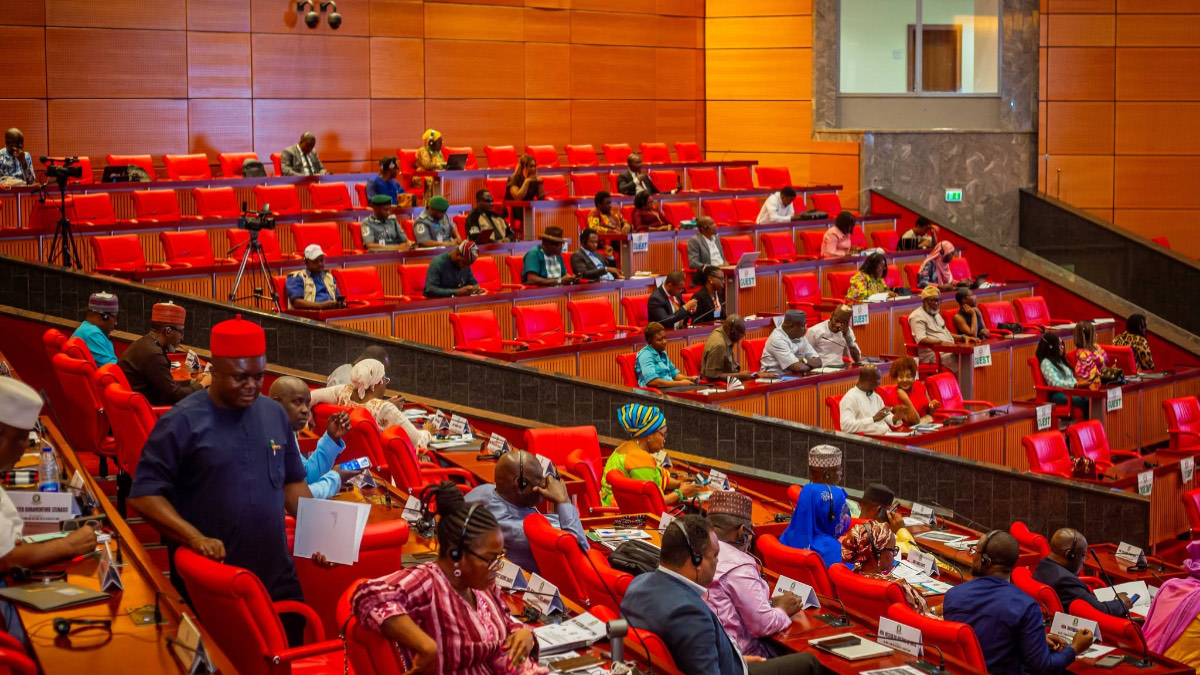
ECOWAS and the EAC are among Africa’s major regional economic communities, with each playing a significant role in promoting regional integration, economic cooperation and political coordination within their respective sub-regions.
The ECOWAS Parliament serves as the legislative arm of the West African regional bloc, while EALA performs a similar parliamentary function within the East African Community.
Although the two institutions operate in different regional settings, they face several common challenges, including cross-border security threats, migration, economic integration, democratic governance, and the impact of global economic and environmental developments.
The proposed network seeks to move cooperation beyond bilateral engagements by creating a broader platform where regional parliamentary institutions can collectively address issues affecting the continent.
The initiative would also potentially strengthen the role of African legislators in shaping continental positions on international issues and give parliamentary diplomacy a more prominent place in Africa’s integration efforts.
The ECOWAS Parliament’s engagement in Arusha is therefore being presented not simply as a diplomatic visit, but as an attempt to build a sustained framework through which West, East and other parts of Africa can work more closely at the legislative level.
The delegation described the initiative as a step beyond dialogue, stressing the need for a durable framework for legislative cooperation capable of strengthening institutional ties and promoting a more coordinated African voice globally.

Felix Ifijeh is a journalist with years of professional reporting experience. Known for his keen news sense, compelling storytelling and commitment to accurate, impactful reporting, he has built a reputation for turning leads into clear, engaging, and well-structured reports that resonate with readers. His work reflects deep newsroom experience and a commitment to accurate, impactful journalism.
