
-
The Department of State Services has alerted the Sokoto State Government to intelligence indicating that terrorist and bandit groups are shifting their targets from vulnerable primary and secondary schools to universities.
-
The intelligence warning said the planned attacks could expose students, lecturers, non-academic staff and their families to kidnapping and other forms of violence.
-
The United Kingdom has separately placed Sokoto and several other Nigerian states under its “against all but essential travel” advisory, while warning against all travel to 11 states and specific riverine areas because of security concerns.
-
The DSS warning and updated UK travel advisory come amid continuing concerns over banditry, kidnapping and terrorism in parts of Nigeria, particularly the North-West and North-East, with authorities urging heightened vigilance and stronger security measures.
August 21, (THEWILL) — The Department of State Services (DSS), Sokoto State Command, has raised the alarm over intelligence indicating planned attacks and kidnappings targeting tertiary institutions across the state.
The warning, contained in a July 18, 2026 letter to the Sokoto State Government, said terrorist and bandit groups had shifted their focus from vulnerable primary and secondary schools to universities and other higher institutions.
The letter, titled “Planned Attack on Tertiary Institutions by Terrorist and Bandit Gangs,” was signed on behalf of the State Director of Security by B. Abdulaziz.

According to the DSS, the emerging threat could expose students, lecturers, non-academic staff and their families to kidnapping and other forms of attacks.
The Service said the development represented a tactical shift by criminal groups seeking to disrupt education, weaken public confidence in government’s security operations and create a negative image of Nigeria internationally.
“Intelligence available to the command indicated a tactical shift in the focus of criminal elements,” the DSS stated.
The service warned that Sokoto could not afford to ignore the security implications of the development and called on the state government to immediately strengthen security around tertiary institutions.
It stated, “There is a need to upgrade security measures in tertiary institutions across the state,” it said, adding that relevant security and response agencies had already been alerted to deploy countermeasures against the threat.
The DSS also urged the Sokoto State Government to take necessary measures to prevent the reported plans from being carried out.
The warning has heightened concerns over the safety of students and staff in Sokoto’s universities, polytechnics, colleges of education and other tertiary institutions.
UK Issues Fresh Nigeria Security Advisory
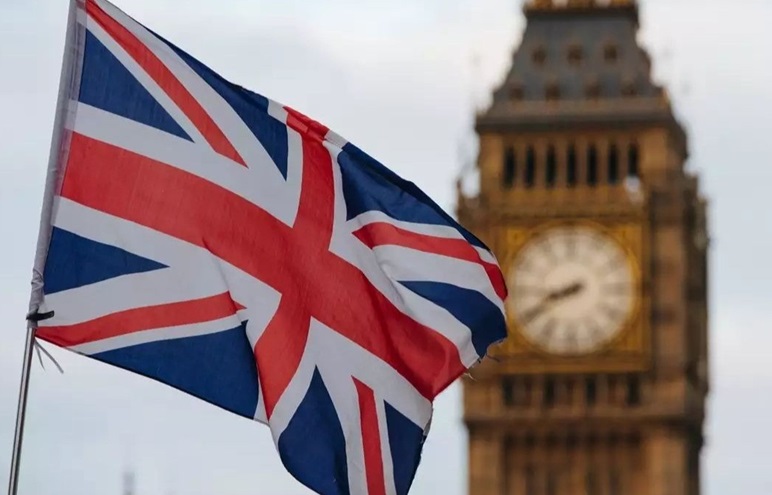
The UK Foreign, Commonwealth and Development Office issues a fresh security advisory on travel to Nigeria, citing heightened risks in several states.
The DSS warning comes as the United Kingdom has issued a fresh security advisory to its citizens travelling to Nigeria, placing 11 states and specific areas under its strongest warning against all travel.
The latest advisory was issued by the UK Foreign, Commonwealth and Development Office (FCDO) on Thursday, August 20, 2026, as part of its updated travel advice for Nigeria.
The FCDO advised British nationals against all travel to Borno, Yobe, Adamawa and Gombe states in the North-East, as well as Katsina and Zamfara states in the North-West.
ALSO READ:
The UK government also advised against all travel to riverine areas of Delta, Bayelsa, Rivers, Akwa Ibom and Cross River states.
The FCDO defined the affected riverine locations as “the river and swamp locations accessible by boat, but not by road.”
The 11 areas were placed under the strongest travel warning because of security concerns.
The UK government further advised against all but essential travel to Bauchi State in the North-East.
In the North-West, Kaduna, Kano, Kebbi, Jigawa and Sokoto states were placed under the same category.
The advisory also covered Niger, Kogi, Plateau, Taraba, Kwara and Benue states in the North-Central region.
In the South-East and South-South, the UK advised against all but essential travel to Abia, Anambra and Imo states, as well as non-riverine areas of Delta, Bayelsa and Rivers states.
The Federal Capital Territory, including Abuja, was also placed under the “against all but essential travel” category.
The FCDO cautioned British nationals and other travellers that “No travel can be guaranteed safe” and urged those planning trips to Nigeria to study its travel advice before travelling.
The UK government also advised prospective travellers to research their destinations and obtain appropriate travel insurance before embarking on their journeys.
It warned that travel insurance could be invalidated if travellers travelled against FCDO advice.
The FCDO further advised travellers to ensure that their insurance covered their entire itinerary, planned activities and expenses that could arise in an emergency.
The latest update also provides information on entry requirements, safety and security, regional risks, health concerns, IVF and fertility treatment scams and overseas adoption.
The UK travel advice divides Nigeria into areas where the government recommends against all travel and those where travel should be undertaken only when essential.
Under the “against all travel” category are Borno, Yobe, Adamawa, Gombe, Katsina and Zamfara states, alongside the riverine areas of Delta, Bayelsa, Rivers, Akwa Ibom and Cross River.
The “against all but essential travel” category covers Bauchi, Kaduna, Kano, Kebbi, Jigawa, Sokoto, Niger, Kogi, Plateau, Taraba, Kwara, Benue, Abia, Anambra and Imo states.
It also covers the non-riverine areas of Delta, Bayelsa and Rivers states, as well as the Federal Capital Territory, including Abuja.
The DSS alert in Sokoto and the latest UK security advisory have renewed attention on Nigeria’s security situation, particularly in the North-West, where banditry and kidnapping remain major threats to communities, schools and other public institutions.

Felix Ifijeh is a journalist with years of professional reporting experience. Known for his keen news sense, compelling storytelling and commitment to accurate, impactful reporting, he has built a reputation for turning leads into clear, engaging, and well-structured reports that resonate with readers. His work reflects deep newsroom experience and a commitment to accurate, impactful journalism.