
-
Major government bond markets are heading for their worst month in years.
-
US two-year Treasury yields have risen almost 0.6 percentage points in September.
-
Fixed interest payments do not protect a bond’s resale price.
-
Nigerian dollar investors need to distinguish income earned from capital lost.
September 29, (THEWILL) – The global bond selloff is exposing a risk Nigerian investors can overlook when buying investments described as fixed income. Interest payments can remain unchanged while the amount an investor could recover by selling falls.
Major government bond markets were heading for their worst month in years on Tuesday, September 29, as energy costs and inflation concerns pushed investors to demand higher returns.
US two-year Treasury yields have climbed almost 0.6 percentage points this month, putting them on course for their biggest monthly increase since early 2023, Reuters reported.

For Nigerians holding dollar bonds or funds that invest in them, the practical concern is what happens if they need their money before the investment has had time to recover.
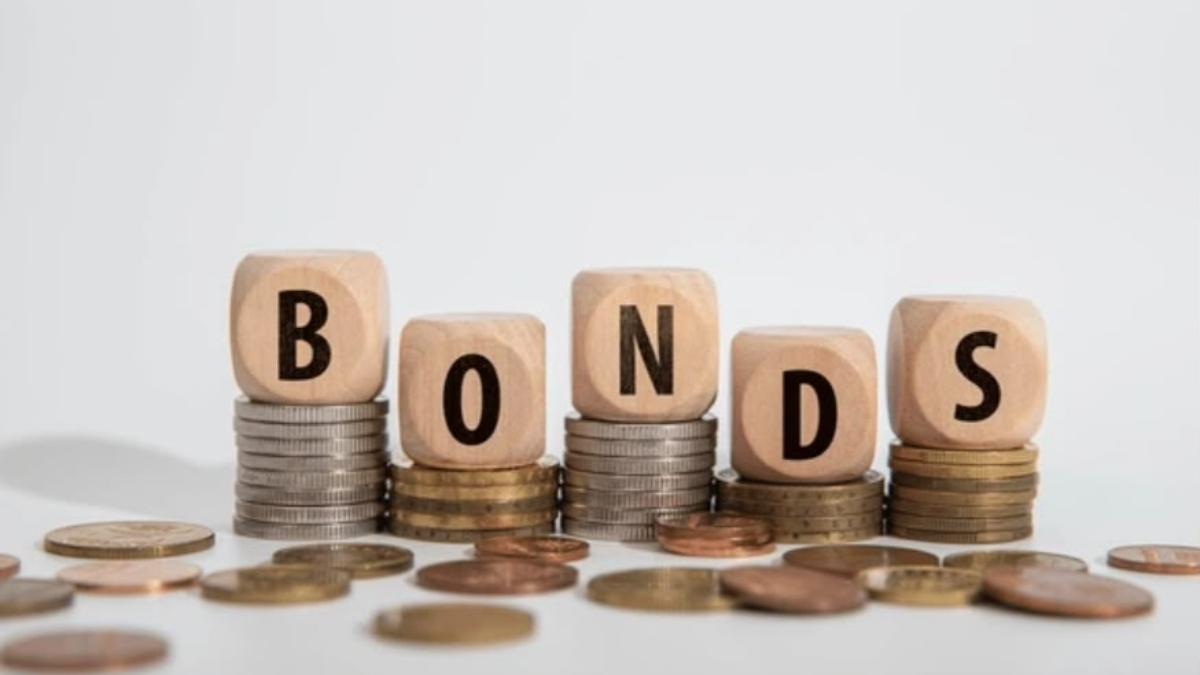
The Interest Stays Fixed, the Price Does Not
A bond is a loan to a government or company. On a conventional fixed-rate bond, the borrower promises specified interest payments and repayment of the bond’s face value at maturity, subject to its ability to pay.
However, investors can buy and sell that loan before repayment falls due. Its market price changes.
When comparable investments offer higher returns, buyers generally become less willing to pay the previous price for an older bond offering lower interest. Its price falls until the return becomes more competitive.
Nigeria’s Securities and Exchange Commission explains this inverse relationship in its investor guidance.
Consider a hypothetical investor who buys a bond for $1,000 and later sells it for $930. The $70 price loss must be counted alongside any interest received. Regular payments alone would not establish that the investment made money.
Holding the bond until maturity changes the calculation. Provided the issuer meets its obligations, repayment is based on face value.
That may differ from the amount originally paid, particularly if the investor bought above face value. Selling early means accepting the price available at the time.
READ ALSO:
Dollar Funds Need a Closer Look
Buying units in a bond fund gives an investor exposure to a portfolio rather than ownership of one bond with a personal repayment date.
If the market value of the underlying bonds falls, the fund’s value can fall too. Funds holding longer-maturity bonds generally face greater interest-rate risk than otherwise comparable funds holding shorter maturities, according to US securities-regulator guidance.
For a Nigerian saver putting aside dollars for school fees, that creates a timing problem.
The bill may arrive while the investment is worth less than expected. Holding an asset in dollars does not, by itself, preserve its dollar value.
This report has not established a September 29 price decline in Nigerian Eurobonds or any particular Nigerian dollar fund.
Those require current bond quotations and fund valuations.
The useful checks are specific. What does the fund own? How much can its value fluctuate? What fees apply on withdrawal? Does its advertised return include changes in investment value, or only income?
Higher yields can improve the opportunity for a new buyer. For an existing holder, they can accompany a lower selling price.
The return that counts is the income received together with what the investment is worth when the money is needed.

Joy Onuorah is a business journalist and brand communications specialist covering financial markets, artificial intelligence, digital economy, and the ideas reshaping business across Africa and the global market. Beyond her reporting for TheWill, Joy uses brand strategy, storytelling, copywriting, and high-value SEO to help brands build lasting market authority.
