
-
Dollar strength adds uncertainty for Nigerians with foreign-currency bills.
-
Rising US yields increase competition for investment capital.
-
Nigeria’s rate cut does not guarantee cheaper dollar funding.
-
Today’s global dollar movement does not establish a naira decline.
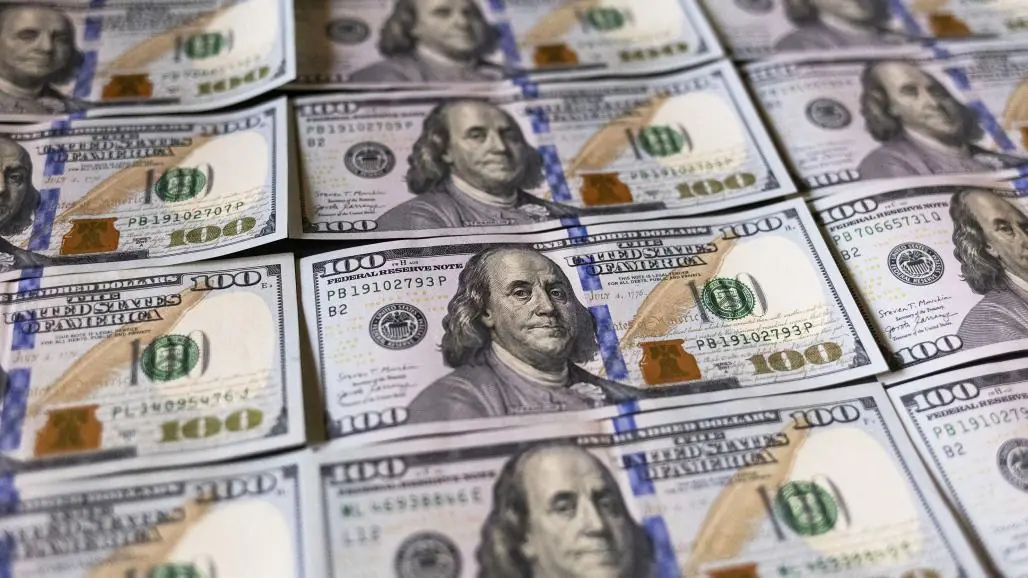
September 29, (THEWILL) – The US dollar traded near a two-month high on Tuesday, September 29, as rising oil prices and American bond yields supported the currency, adding uncertainty for Nigerian businesses budgeting for imports and foreign-currency payments.
Reuters reported the dollar index at 101.27, putting it on course for a 1.8% September gain, its strongest monthly performance since June. Investors were awaiting US economic releases for further clues about interest rates.
For Nigerian importers, the immediate concern is the naira cost of obtaining dollars when invoices fall due. A supplier’s dollar price can remain unchanged while the buyer’s local-currency bill increases if the naira weakens.

However, Tuesday’s international movement does not establish that this has happened in Nigeria.
READ ALSO:
Nigeria Faces Competing Rate Signals
The stronger dollar comes a week after Nigeria’s central bank reduced its benchmark interest rate from 26.5% to 23%.
Commercial lending rates had not immediately followed that reduction, according to September 28 reporting by Nairametrics. Banks were still assessing funding costs and loan pricing.
Meanwhile, higher returns on US government debt can make dollar investments more attractive. Nigerian securities seeking international buyers must compete with those returns, alongside investors’ assessments of currency risk and their ability to withdraw funds.
This does not mean capital is necessarily leaving Nigeria. Establishing an outflow requires Nigerian trading and investment data, rather than movements in American markets alone.
A Stronger Dollar Is Not a Naira Exchange Rate
The dollar index measures the US currency against six currencies, including the euro, yen and pound. Nigeria’s naira is not among them, according to index provider ICE. A percentage increase in the index therefore cannot be applied directly to a Nigerian importer’s bill.
For a business awaiting an overseas shipment, the relevant figures are the dollar amount owed, the executable exchange rate and associated charges. Payment timing also determines how long the business remains exposed to a currency movement.
Similarly, a Nigerian company servicing an existing fixed-rate dollar loan does not automatically owe more dollars because US yields rise. Its naira repayment cost can still increase if the exchange rate moves against it, while refinancing may come at a different interest rate.
No verified September 29 Nigerian exchange-rate movement was available for this report. For businesses making payments today, the decisive number remains the rate at which they can actually obtain their dollars.

Joy Onuorah is a business journalist and brand communications specialist covering financial markets, artificial intelligence, digital economy, and the ideas reshaping business across Africa and the global market. Beyond her reporting for TheWill, Joy uses brand strategy, storytelling, copywriting, and high-value SEO to help brands build lasting market authority.