
-
The presidential candidate of the African Democratic Congress (ADC), Atiku Abubakar, has been forced to clarify his position on fuel subsidy after two of his media aides issued conflicting explanations of what he intends to do if elected president in 2027.
-
While Paul Ibe said Atiku would restore petrol subsidy temporarily and phase it out after the economy recovers, another aide, Phrank Shaibu, rejected the claim as an inaccurate description of Atiku’s policy.
-
Shaibu said Atiku was proposing a targeted, capped, transparently budgeted and independently audited intervention to support domestic refining, reduce production costs and ease the burden on Nigerians, with measurable conditions determining when government support would end.
-
The controversy follows Atiku’s recent reversal of his earlier support for fuel subsidy removal and comes as the Tinubu administration continues to defend the policy, saying it freed ₦15.8 trillion for the Federation Account between June 2023 and December 2025.
August 26, (THEWILL) — Confusion has continued to trail the position of the presidential candidate of the African Democratic Congress (ADC), Atiku Abubakar, on fuel subsidy after two of his media aides issued conflicting explanations of what the former Vice President intends to do if elected president in 2027.
The disagreement erupted after Paul Ibe, one of Atiku’s media aides, said the former Vice President would temporarily restore petrol subsidy if elected, and subsequently phase it out after giving the economy time to recover.
However, another aide, Phrank Shaibu, swiftly rejected that interpretation, describing it as “an unauthorised, imprecise and materially misleading characterisation” of Atiku’s position.

Shaibu insisted that Atiku had not proposed a return to the old import-subsidy regime, but rather a targeted and temporary government intervention designed to support domestic refining and production, reduce costs and cushion Nigerians from the impact of high petrol prices.
The conflicting positions have generated fresh questions about the ADC candidate’s actual policy on one of Nigeria’s most politically sensitive economic issues ahead of the 2027 presidential election.
Atiku’s Initial Call For Subsidy Reversal
Atiku, who contested the 2019 and 2023 presidential elections on the platform of the Peoples Democratic Party (PDP), had previously supported the eventual removal of petrol subsidy.
However, THEWILL reported that the former Vice President had changed his position last week, when he called for the reversal of subsidy removal and accused the administration of President Bola Ahmed Tinubu of failure to account adequately for the savings generated by the policy.
“If elected, I will bring back the oil subsidy, and whoever stole the money must refund it”, he stated, questioning what had happened to the money saved by the government following the removal of subsidy.
According to him, if the savings had been properly invested in development, security, education and job creation, Nigerians might have been more willing to accept the hardship associated with the reform.
“The government successfully removed the subsidy, but we do not know where the money went. If they had used the money for development, to solve security problems, for education, and to create opportunities for the youth, it would be different”, Atiku said.
He added that if elected, he could eventually remove the subsidy but would ensure that the resources were used appropriately.
The statement immediately triggered criticism from stakeholders across the political class, petroleum industry, manufacturing sector, organised private sector, labour, academia and the media.
Atiku Modifies Position
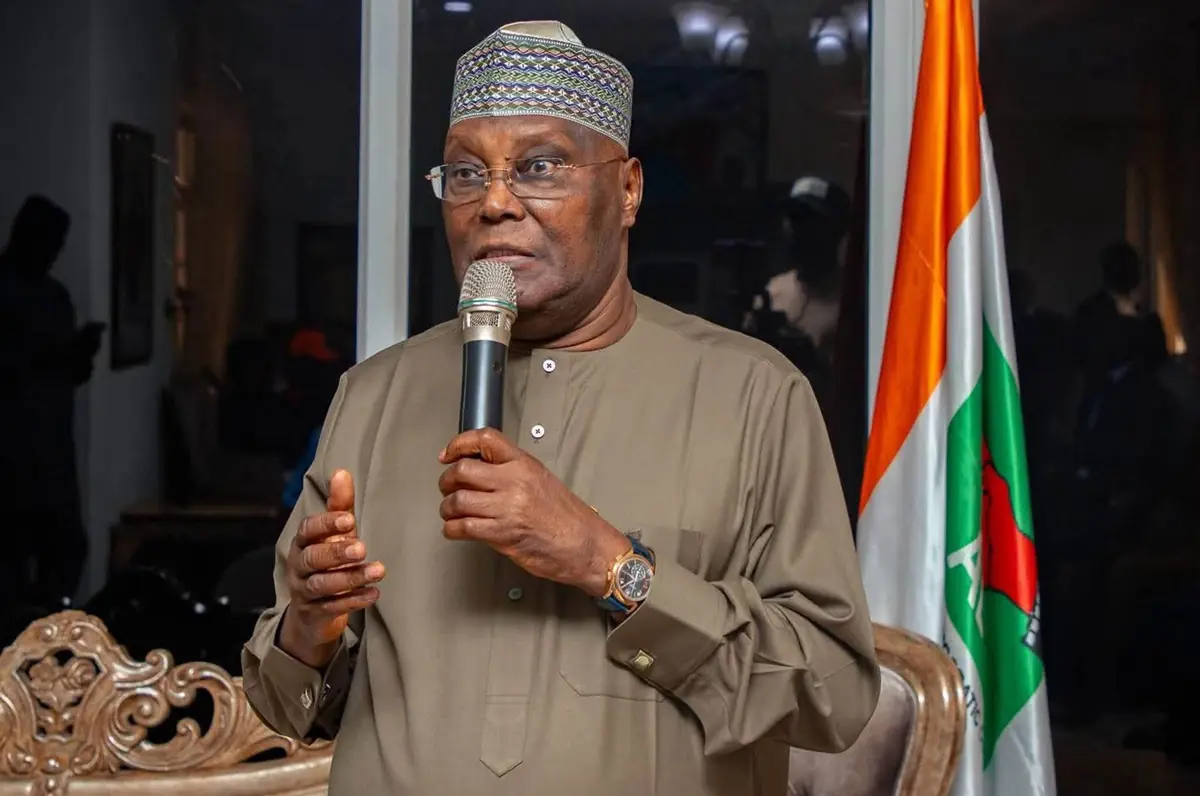
Following the backlash, Atiku subsequently modified and refined his position, describing his proposal as an audited intervention with a clear exit mechanism.
He argued that the Tinubu administration could not claim to have completely abolished subsidy while simultaneously granting tax credits, concessions and other fiscal incentives to operators in the petroleum industry.
“The administration cannot claim to have abolished subsidy while granting tax credits, concessions and other fiscal incentives to operators in the same petroleum industry”, he noted.
Atiku proposed “a targeted, capped, transparently budgeted and independently audited intervention with a clearly defined exit mechanism, accompanied by accelerated domestic refining, competition, mass transportation and measures to restore household purchasing power.”
It was against this background that the conflicting explanations from his media aides emerged.
Ibe Says Subsidy Will Return
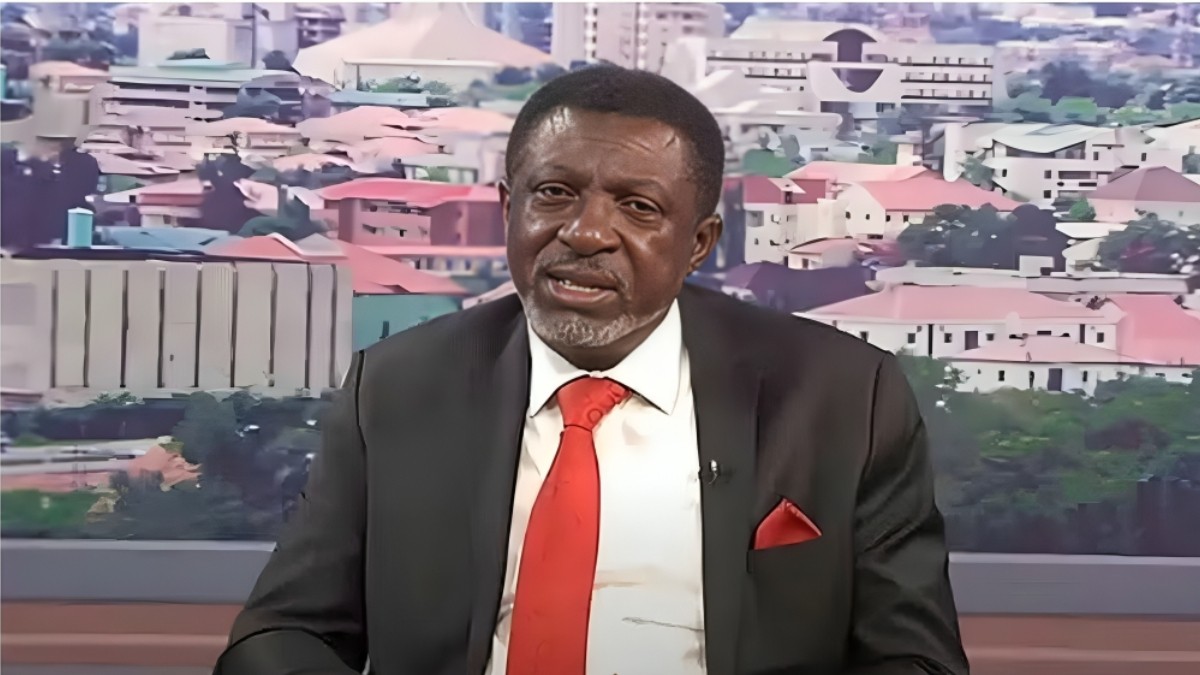
Speaking on African Independent Television (AIT), Ibe said Atiku would restore subsidy if elected in 2027 but would do so under a different framework from the old system.
According to him, the temporary intervention would allow Nigerians and the economy to recover from the effects of the reforms while stimulating economic activity and improving productivity.
Ibe said Atiku was not advocating a return to the previous opaque subsidy regime but a system tied to crude oil production and domestic refining.
“We are not returning to Egypt. We are not going back to the old regime that was opaque”, he said.
According to Ibe, the proposed arrangement would involve government supplying crude oil to domestic refiners at discounted prices, enabling them to produce petrol and diesel at lower costs.
He said the reduced production costs would ultimately translate into lower pump prices for consumers.
“The crude oil will be sold at a discounted price, subsidised to refiners, and that will enable refiners to be able to produce fuel and diesel at a cheap cost. And when they produce cheaply, they will sell at the real pump price”, Ibe added.
He explained that an independent committee would determine the appropriate price at the refinery, taking prevailing market conditions into consideration.
Ibe acknowledged that the downstream petroleum sector had been deregulated but argued that government could still monitor prices to ensure that refiners and marketers complied with the policy.
“There’ll be a window because, of course, we deregulated. You may not fix the price but you can have price monitoring to ensure that everybody aligns with what government hopes to achieve”, he noted.
Ibe further stressed that the proposed intervention would not be permanent. He said the objective was to provide temporary relief, stimulate economic activity and allow the economy to adjust before subsidy was eventually phased out.
“It is for a time, and it is essentially to ensure that we jumpstart this economy”, he said.
Ibe also argued that the government should not implement several major economic reforms without allowing Nigerians and businesses sufficient time to adjust.
He likened the approach to medical treatment, saying major economic reforms should be implemented in stages.
“No surgeon, no doctor would carry out two or more serious major surgeries, one after the other. They would do one, allow the patient to recuperate, and then undertake the second, or the third”, he declared.
READ ALSO:
- ‘Stop Lying To Nigerians’ — Sowore Tears Into Tinubu, Amaechi, Obi Over Fuel Subsidy
- ₦15.8tn Saved, ₦11.9tn Borrowed: Where Did Nigeria’s Subsidy Dividend Go?
- Subsidy War: Return To Old Regime Is Serious Ignorance – Tinubu Slams Atiku
- Subsidy: Nigerians Cannot Pay Twice – Atiku Tears Into Tinubu, Unveils Plan To Cap, Track Every Barrel
Shaibu Rejects Ibe’s Statement
But Shaibu subsequently moved to clarify Atiku’s position, distancing the former Vice President from Ibe’s description of the policy. He said Ibe’s assertion that an Atiku administration would “restore fuel subsidy and remove it later” was inaccurate.
“For the avoidance of doubt, Atiku has never proposed restoring the old import-subsidy regime and subsequently removing it on a predetermined date. That is not his policy and should not be attributed to him”, he said.
According to him, Atiku was proposing a targeted, capped and transparent intervention aimed at supporting domestic refining and production.
“What Atiku proposes is a targeted, capped, transparently budgeted and independently audited intervention to support domestic refining and production, with measurable performance-based exit conditions built in from day one”, Shaibu stated.
He explained that the purpose of the intervention would not be to subsidise inefficiency indefinitely but to lower production costs, strengthen domestic refining, increase supply, deepen competition and create conditions for government support to eventually become unnecessary.
“There will be no arbitrary withdrawal based simply on a calendar date”, he noted.
Instead, Shaibu said the intervention would progressively decline as specific conditions were met, including increased domestic refining, improved supply stability, stronger competition and the emergence of a market capable of providing affordable petroleum products without continued government support.
“You do not remove scaffolding because the calendar says so. You remove it when the building can stand securely on its own”, he explained.
Shaibu also maintained that spokespersons were expected to communicate Atiku’s policies accurately and should not create formulations capable of confusing Nigerians.
Tinubu’s Fuel Subsidy Reform
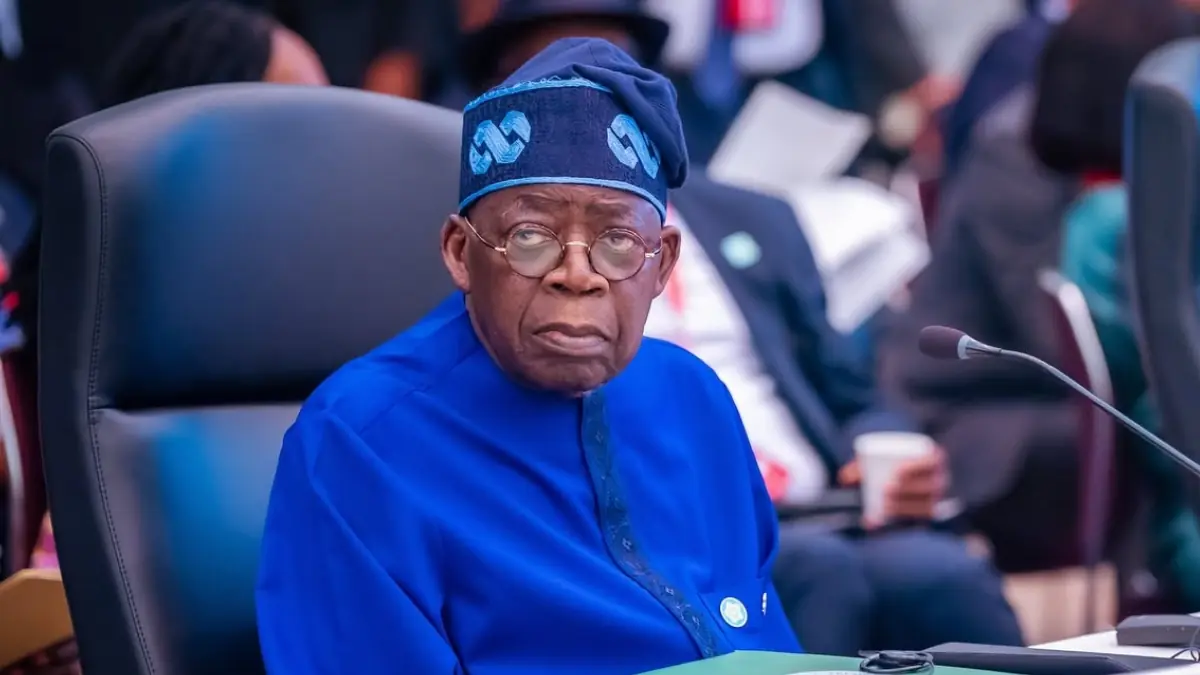
On May 29, 2023, shortly after assuming office, President Bola Tinubu announced the removal of petrol subsidy as part of his administration’s economic reform programme.
The policy immediately resulted in a sharp increase in petrol prices and contributed to higher transportation and living costs across the country.
The administration subsequently unified the multiple foreign exchange windows into a single market-determined system.
The Federal Government has defended the reforms as necessary measures to restore fiscal stability and reduce distortions in the economy.
The Minister of Finance and Coordinating Minister of the Economy, Taiwo Oyedele, disclosed that the removal of petrol subsidy freed ₦15.8 trillion for the Federation Account between June 2023 and December 2025.
According to him, ₦5.4 trillion of the amount was shared by the Federal Government, while states and local governments received ₦10.4 trillion.
The figures have formed a major part of the Federal Government’s argument that the subsidy removal has created additional fiscal space for the three tiers of government.
However, critics of the policy have continued to argue that the financial gains have not translated sufficiently into improved living conditions for ordinary Nigerians.
Felix Ifijeh is a journalist with years of professional reporting experience. Known for his keen news sense, compelling storytelling and commitment to accurate, impactful reporting, he has built a reputation for turning leads into clear, engaging, and well-structured reports that resonate with readers. His work reflects deep newsroom experience and a commitment to accurate, impactful journalism.
