
-
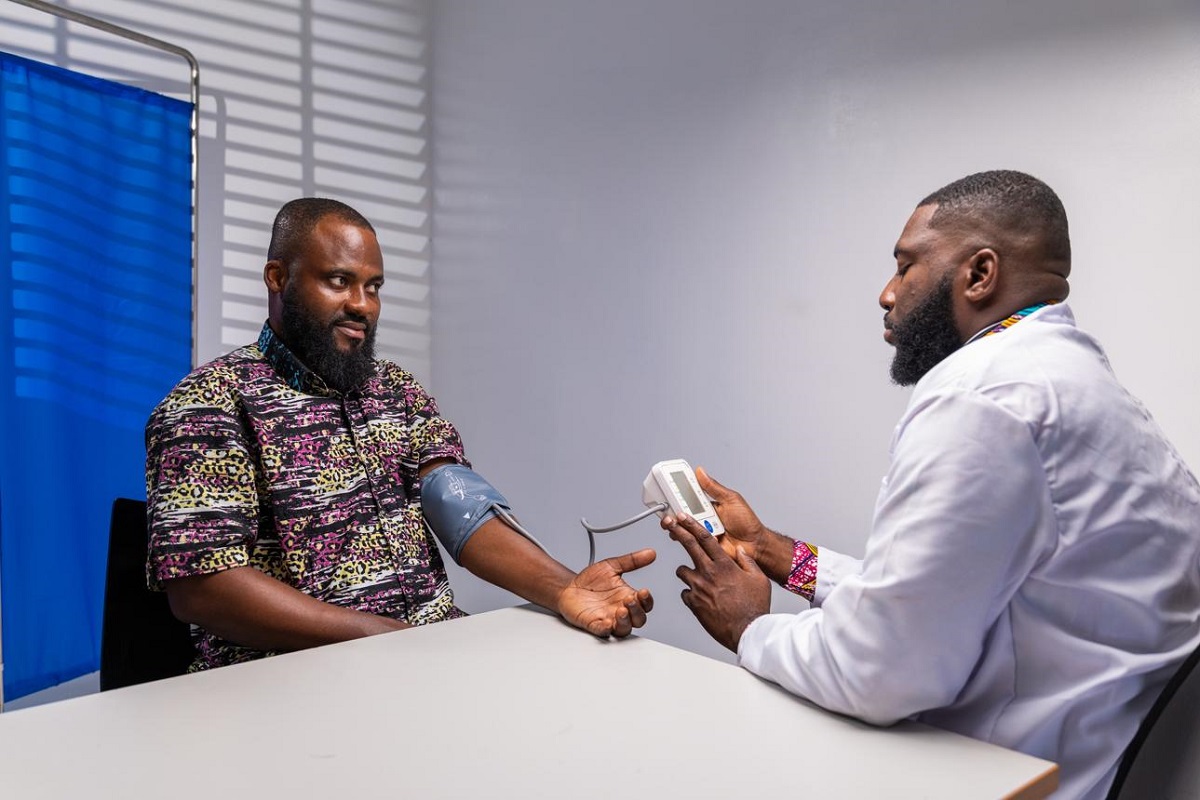
Only 14% of Nigerian men with hypertension keep their blood pressure under control, despite widespread corporate medical coverage.
-
Prostate cancer kills roughly three in five diagnosed men in Nigeria, driven largely by late detection and out-of-pocket costs.
-
Standard corporate HMO plans prioritise acute emergency care while capping chronic medication and excluding routine prostate screenings.
-
Insurers and employers lack shared claims data to price preventive screening against long-term tertiary treatment bills.
November 19, (THEWILL) – Nigerian companies spend billions of naira annually on corporate health insurance, assuming those premiums insulate their workforce from medical emergencies.
Clinical outcomes among adult men tell a different story.
In its 2025 Global Report on Hypertension, the World Health Organisation estimated that 28% of Nigerian men aged 30 to 79 were living with hypertension in 2024, part of a wider adult population of roughly 22 million affected people.
Fewer than half of those men knew they had the condition; around 30% were on treatment, and only 14% had their blood pressure under control.
That gap between formal employment coverage and actual disease management exposes a structural flaw in how corporate healthcare is bought and priced in Nigeria.
Most entry-level and mid-tier plans sold by Health Maintenance Organisations (HMOs) are structured around acute, episodic care such as malaria treatment, minor infections, and emergency stabilisation.

Chronic conditions require monthly refills, regular diagnostics, and specialist reviews, which quickly exhaust the annual outpatient caps built into standard corporate policies.
Once an employee hits that ceiling mid-year, ongoing medication shifts back to out-of-pocket spending, leading many salaried workers to ration doses or abandon treatment until a hypertensive crisis forces an expensive hospital admission.
Late Detection Drives Nigeria’s Prostate Cancer Mortality Ratio
The same coverage blind spot shapes outcomes in oncology, where delayed screening turns treatable conditions into terminal financial shocks. Modelling from the International Agency for Research on Cancer (IARC) estimated 24,396 new prostate cancer cases and 15,176 deaths among Nigerian men in 2024, making it the most frequently diagnosed male cancer in the country.
Although IARC relies on statistical modelling due to incomplete hospital cancer registries, a mortality-to-incidence ratio above 60% reflects how late most patients enter the clinical system.
Prostate-specific antigen (PSA) blood tests and routine urological exams remain excluded from many standard corporate benefit tiers, treated by insurers as optional wellness add-ons rather than core risk management.
Private diagnostic centres across Lagos and Abuja have expanded laboratory capacity to offer preventive men’s health panels, though uptake stays low because corporate human resources departments rarely bundle them into annual medical renewals.
Meanwhile, imported oncology drugs, pathology reagents, and radiotherapy equipment are priced against foreign exchange rates, leaving both households and insurers exposed to steep bills once a tumour reaches an advanced stage.
READ ALSO:

Insurers and Employers Lack Claims Data To Price Prevention
Realigning corporate healthcare toward early detection stalls on a basic information asymmetry.
Nigeria has no consolidated national dataset tracking how much employers spend on male-specific illnesses, what share of covered male staff complete annual screenings, or how much productivity is lost to unmanaged chronic disease.
Without verifiable actuarial numbers, corporate finance teams view expanded preventive coverage as an immediate premium hike rather than a long-term claims reduction strategy.
HMOs hold the underlying claims records that could settle that calculation, including utilisation rates by age bracket, cardiovascular admissions, and late-stage oncology payouts.
Commercial competition keeps that data locked inside individual provider silos, as insurers guard loss ratios and benefit pricing from rivals.
Until large corporate buyers demand anonymised claims reporting during annual renewals, or insurers restructure plans to reward routine blood pressure and PSA monitoring with lower renewal escalations, preventive care will remain an out-of-pocket afterthought for the men driving Nigeria’s formal economy.

Joy Onuorah is a business journalist and brand communications specialist covering financial markets, artificial intelligence, digital economy, and the ideas reshaping business across Africa and the global market. Beyond her reporting for TheWill, Joy uses brand strategy, storytelling, copywriting, and high-value SEO to help brands build lasting market authority.