
-
African startups raised $2.4 billion between January and October 2026, down 12 percent from the same period last year.
-
Only 343 startups secured at least $100,000, a 22 percent decline from 438 in 2025.
-
Nigeria attracted $42 million across nine startups in October, with much of the funding going to energy and mobility businesses through debt.
-
Equity investment increased by 5 percent across the continent, even as debt financing fell by 33 percent.
November 18, (THEWILL) – African startups raised $2.4 billion in the first ten months of 2026, but fewer businesses managed to secure investment during the period.
Data from Africa: The Big Deal, which tracks announced startup funding rounds of at least $100,000, shows that the amount raised between January and October was 12 percent below the $2.7 billion recorded during the same period in 2025.
October offered a sharper indication of the pressure facing founders. Startups raised $183 million across 34 deals, excluding exits. That was 58 percent lower than the $435 million recorded in October 2025 and 24 percent below September’s $241 million.
A decline in total funding does not tell the whole story, however. Equity investment increased during the first ten months of the year, while debt financing contracted. Fewer startups also secured qualifying rounds, and the number of identified active investors fell.
For founders seeking capital, access appears to be becoming more difficult, even as investors continue to back businesses they consider commercially promising.
Fewer Startups Are Getting Funded, Even As Equity Holds Up
Equity financing reached $1.6 billion between January and October, representing a 5 percent increase from the previous year. Debt financing moved in the opposite direction, falling by 33 percent to $740 million from $1.1 billion.

The difference is important because startups use these funding instruments for different purposes. Equity investment gives investors a stake in a business, while debt provides money that the company must repay under agreed terms.
A founder raising equity may use the investment to develop a product, enter new markets, recruit staff or expand operations. Debt can help finance equipment, infrastructure and other assets that generate revenue over time, although repayment obligations place pressure on cash flow.
October’s figures reflected this mix. Equity accounted for $110 million, or 60 percent of the month’s funding, while debt contributed $71 million. Grants made up approximately $2 million.
However, the number of companies receiving substantial investment remains a concern. Only 343 startups raised at least $100,000 between January and October, compared with 438 during the same period in 2025.
That represents a 22 percent decline and the lowest January-to-October figure since Africa: The Big Deal began tracking qualifying rounds in 2021.
Identified active investors also fell from more than 442 to more than 370, a 16 percent reduction.
Nigeria Led October Funding, With Energy And Mobility Businesses Attracting Capital
Nigeria attracted $42 million across nine startups in October, making it the continent’s largest funding destination for the month.
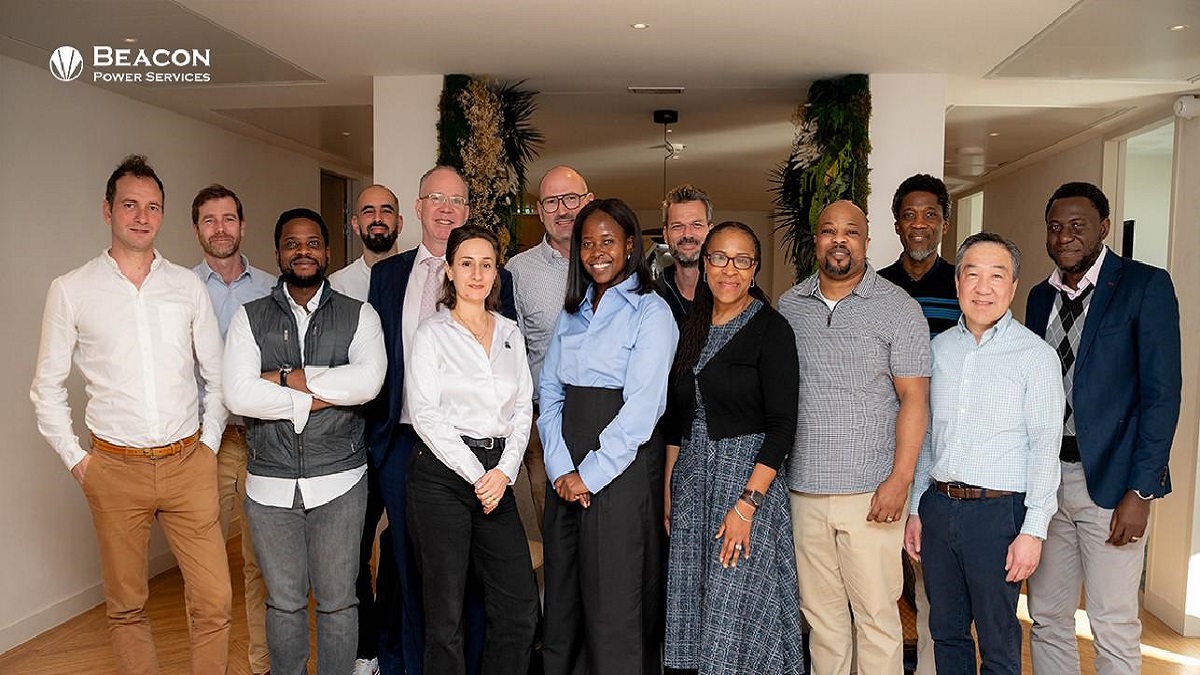
Much of the country’s funding came through debt transactions involving energy and mobility businesses. One example was Beacon Power Services, a Nigerian energy technology company that secured a $10 million loan from the European Bank for Reconstruction and Development (EBRD).
The financing will support the deployment of smart metering systems, grid management software and meter data management solutions across Nigerian electricity distribution companies. These technologies are intended to help utilities improve network visibility, billing accuracy and revenue collection.
Beacon Power Services operates in a sector where technology investment is closely connected to physical infrastructure. Its solutions help electricity distributors monitor networks and identify operational inefficiencies, giving the company a commercial opportunity tied to the performance of the power sector.
Other Nigerian businesses also attracted funding during the month, although the available figures do not provide a complete breakdown of all nine companies and their individual transactions.
Nigeria’s October performance should also be read in context. A country can lead a monthly funding table because of a small number of large transactions, without that result necessarily representing broad access to capital for its startup ecosystem.
READ ALSO:
Morocco And Tanzania Secured Two Of October’s Biggest Deals
October’s funding figures also showed that substantial investment can reach markets outside Africa’s established startup centres.
Morocco and Tanzania each attracted $40 million, placing them just behind Nigeria. Together, their two largest transactions accounted for $80 million, almost 44 percent of the continent’s total funding for the month.
Moroccan healthcare venture ABA Life secured $40 million from Admaius Capital Partners. Tanzania-based agritech company East Africa Foods raised a $40 million Series B round from investors including InfraCo Africa, Oikocredit and FMO.
As a result, startups outside Nigeria, Kenya, Egypt and South Africa accounted for 54 percent of October’s funding.
Those four established markets received the remaining 46 percent, their lowest combined monthly share since November 2022.
However, the figures do not show that investment has suddenly become evenly distributed across Africa. Nigeria, Kenya, Egypt and South Africa still accounted for 26 of the 34 startups that raised at least $100,000 during the month.
Climate technology businesses also attracted substantial attention, accounting for 55 percent of October’s funding. Their capital requirements often involve equipment, energy infrastructure and other assets that can be financed through loans as well as equity.
Matching Last Year’s Funding Total Will Be Difficult
African startups raised $3.2 billion in 2025. To reach the same amount by the end of 2026, they would need to announce another $814 million in November and December.
That would be considerably more than the $496 million raised during the final two months of last year. Based on the funding pace recorded so far, Africa: The Big Deal considers a repeat of the 2025 total unlikely.
Equity financing has a more favourable outlook. Startups need another $338 million in equity investment to surpass the $1.9 billion recorded in 2025. That amount is below the average monthly equity funding recorded over the preceding 12 months.
A strong finish could therefore produce a year in which equity investment performs better than it did in 2025, even as total funding remains lower.

Joy Onuorah is a business journalist and brand communications specialist covering financial markets, artificial intelligence, digital economy, and the ideas reshaping business across Africa and the global market. Beyond her reporting for TheWill, Joy uses brand strategy, storytelling, copywriting, and high-value SEO to help brands build lasting market authority.