
-
Banks and other financial institutions must keep Nigerian payment data within the country from January 1, 2027.
-
Rack Centre, MTN Nigeria and Galaxy Backbone already operate local data centre facilities.
-
Cloud migration, cybersecurity, system integration and disaster recovery firms could also pick up new contracts.
-
A NITDA survey found that 22 of 44 financial institutions had not started implementation.
November 18, (THEWILL) – Nigeria’s financial institutions have less than two months to prepare for new Central Bank rules requiring them to keep payment data generated in the country within its borders.
Local technology companies are among those that could gain new business from the deadline.
Banks, fintechs and payment processors will need infrastructure capable of storing, processing, backing up and managing their data locally. Some already operate their own systems. Others will need to upgrade existing facilities or contract Nigerian data centre and cloud providers.
The Central Bank of Nigeria clarified the requirements on November 4, explaining that localisation covers more than the physical storage of transaction records.
Processing systems, backups, replicated databases, archives, disaster recovery arrangements, security logs and administrative systems used to manage the data also fall within the rules.
Financial institutions can use third-party providers, but they remain responsible for compliance. The directive therefore creates potential demand for data centre operators, cloud companies, cybersecurity providers and technology consultants.

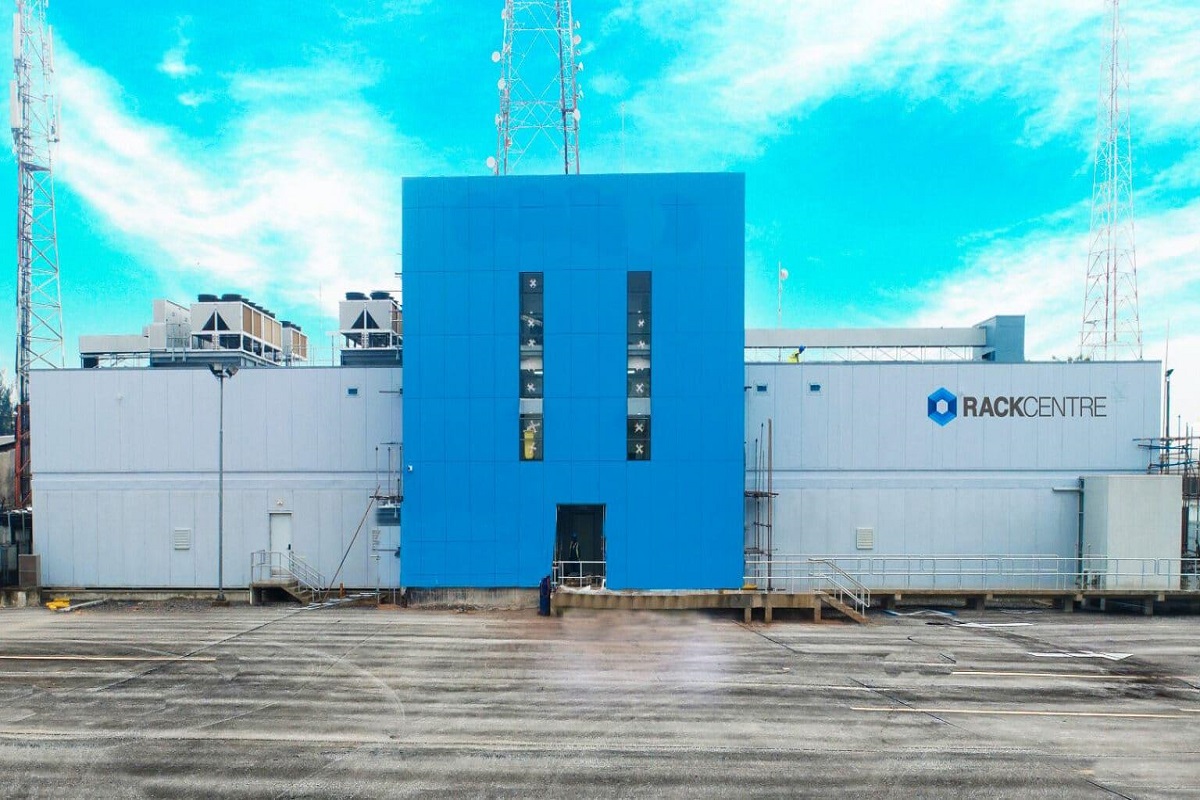
Rack Centre, MTN And Galaxy Backbone Already Have Infrastructure In Place
Several companies have facilities that financial institutions could consider as they review their hosting arrangements.
Rack Centre operates a carrier-neutral data centre campus in Lagos with 13.5MW of total IT power capacity. Its facilities connect customers to more than 73 carriers and internet service providers, alongside internet exchange infrastructure.
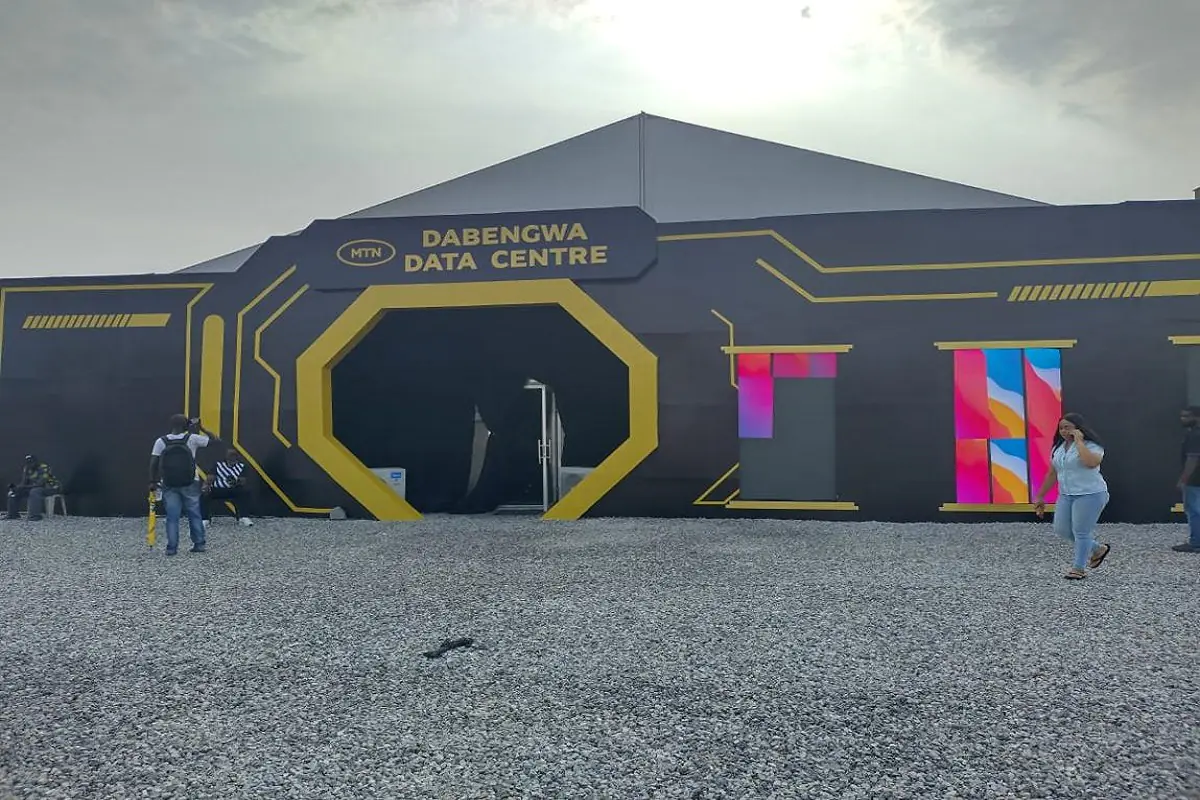
MTN Nigeria’s Dabengwa Data Centre in Ikeja has an initial capacity of 4.5MW and Tier III certification from the Uptime Institute. MTN has said the wider project is planned to reach 9MW.
Galaxy Backbone operates a Tier III data centre in Abuja and a Tier IV facility in Kano. Its services include server colocation, cloud storage, cloud backup and disaster recovery. The government-owned company also provides services to private organisations.
Open Access Data Centres and Equinix are among the other operators with facilities in Nigeria.
Having a data centre in the country does not automatically qualify an operator to handle regulated financial workloads. Under the CBN’s November clarification, institutions using external data centre or cloud services must ensure their providers meet the applicable Nigerian Communications Commission certification and NITDA supervision requirements.
The regulator has not designated any of these companies as approved providers. Financial institutions must assess the suitability of each provider before signing contracts.
Banks Will Also Need Cybersecurity And Migration Support
Moving financial systems into local infrastructure involves considerably more work than transferring files.
A bank migrating its payment systems must examine how its applications, databases and connected services operate. It needs to move them without disrupting transactions, weakening security or creating gaps in its records.
Technology consultants and system integrators could be brought in to assess existing systems, plan migrations, connect applications to new infrastructure and test performance.
Cybersecurity firms may also find demand for services covering encryption, access controls, threat monitoring, security testing and incident response.
The CBN’s requirements make documentation another part of the work. Financial institutions must be able to show where their data is stored and processed, how providers access it, what their contracts cover and how they would recover operations after a disruption.
Cloud companies will need to demonstrate that their infrastructure and services can meet these requirements. The CBN permits public, private, hybrid and multi-cloud arrangements, provided the deployment complies with the localisation rules. It has not ordered financial institutions to use one particular cloud provider or architecture.
READ ALSO:
Lagos Holds Most Of Nigeria’s Data Centres, Raising Questions About Backup Facilities
Nigeria has local data centre capacity, but much of it is concentrated in one city.
The CBN’s November clarification puts more than 75 per cent of the country’s data centres in Lagos. It also identifies unreliable power supply and the uneven geographical distribution of facilities as challenges to the localisation effort.
Geographical concentration has implications for disaster recovery. A financial institution that keeps its primary systems and backup facilities in the same city could still face serious disruption if a major incident affects that location.
Galaxy Backbone’s facilities in Abuja and Kano provide examples of infrastructure outside Lagos. Other operators may need to expand beyond the commercial capital or develop partnerships that allow customers to maintain geographically separated backup systems.
Electricity costs will also influence how much of the new demand local providers can serve. Data centres require continuous power for servers, cooling systems and security equipment.
Operators must maintain backup arrangements while keeping their services affordable enough to compete for financial-sector contracts.
Banks will have to examine these issues alongside capacity, connectivity, security and recovery times before choosing a provider. A low hosting fee will offer little comfort if a facility cannot keep critical payment services running during an outage.
NITDA Survey Finds Many Financial Institutions Have Yet To Begin
A readiness survey presented at the CBN-NITDA Executive Regulatory Dialogue in Lagos on October 28 found that 26 of 44 financial institutions responding to the relevant question had completed the required work or expected to finish before the deadline.
Fifteen said completion was unlikely or very unlikely, while three could not assess their readiness.
The survey also found that 22 of the 44 institutions had not started implementation. Only 23 per cent had contracted local providers, while 18 per cent had begun migration or remediation.
These were self-reported responses, not the results of a formal compliance inspection. They nevertheless indicate that a considerable number of institutions still have work to do.
The CBN has said existing multi-year contracts with foreign cloud and hosting providers do not exempt institutions from the requirements. It has also ruled out an automatic extension or grace period beyond January 1, 2027.
For local infrastructure companies, the immediate commercial opportunity lies in the contracts financial institutions must now review, renew or award.
Providers that can demonstrate adequate capacity, reliable power, secure systems and credible recovery arrangements will be better placed to compete.
Banks, meanwhile, have to make decisions about systems they cannot afford to have fail. A rushed migration could create its own operational problems, so the remaining weeks will involve difficult choices about what to move, which providers to trust and how to test the new arrangements before the deadline.

Joy Onuorah is a business journalist and brand communications specialist covering financial markets, artificial intelligence, digital economy, and the ideas reshaping business across Africa and the global market. Beyond her reporting for TheWill, Joy uses brand strategy, storytelling, copywriting, and high-value SEO to help brands build lasting market authority.