
-
100,000 young Nigerians have been selected across the North-West and South-West for digital and creative skills training.
-
The programme targets 300,000 participants nationwide, with 50,000 slots allocated to each geopolitical zone.
-
Courses cover areas such as cybersecurity, data analysis, digital marketing, customer experience and software testing.
-
Graduates are expected to access employer networks, internships and job opportunities, although employment is not guaranteed.
November 18, (THEWILL) – Nigeria has begun moving 100,000 young people in two geopolitical zones into digital and creative skills training under the Federal Government’s Investment in Digital and Creative Enterprises (iDICE) programme.
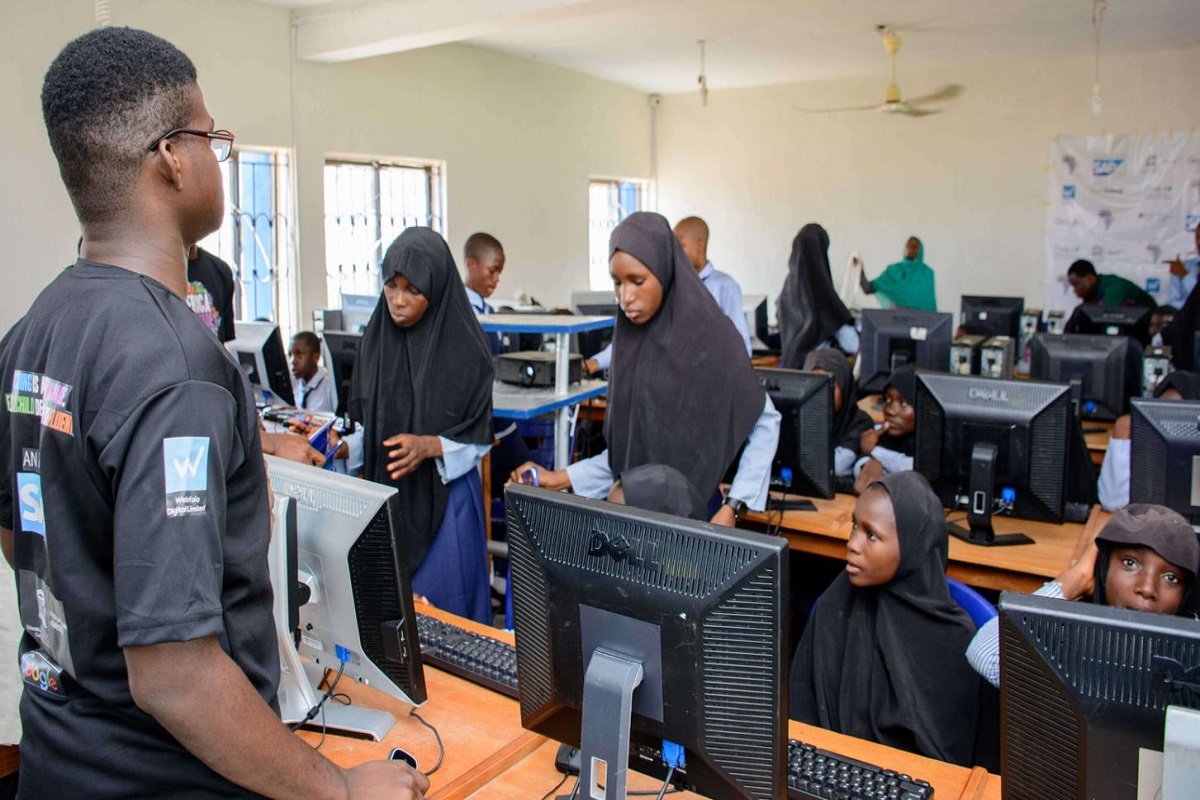
The North-West cohort, comprising 50,000 participants from Kano, Kaduna, Katsina, Kebbi, Jigawa, Sokoto and Zamfara, commenced training on November 16. Another 50,000 participants across Lagos, Ogun, Oyo, Osun, Ondo and Ekiti are scheduled to begin on November 18.
Both cohorts form part of the iDICE Skills Training-to-Jobs initiative, which aims to train 300,000 young Nigerians across the country’s six geopolitical zones. The programme’s official website allocates 50,000 training places to each zone and sets a target of at least 40 per cent female participation.
The initiative is coordinated through the Bank of Industry and co-financed by the African Development Bank, Agence Française de Développement and the Islamic Development Bank.
Its employment focus reflects a growing opportunity in business process outsourcing (BPO) and other digitally delivered services. Companies in these industries hire workers to handle customer support, data processing, technical assistance, sales, administrative tasks and other services for clients in different markets.
A Nigerian worker can provide many of these services to a business in another country without relocating. That creates a potential source of employment and foreign exchange for the country, provided workers can meet employers’ requirements.

At the Association of Outsourcing Professionals of Nigeria’s July 2026 expo, Phillips Consulting founder, Foluso Phillips said Nigeria accounted for about one per cent of the global BPO market. He identified infrastructure gaps and the need to build client confidence as challenges to the industry’s expansion.
Training Covers Skills Businesses Can Use, From Customer Support To Cybersecurity
The South-West programme received 55,679 applications from across the six participating states before selecting its 50,000 beneficiaries.
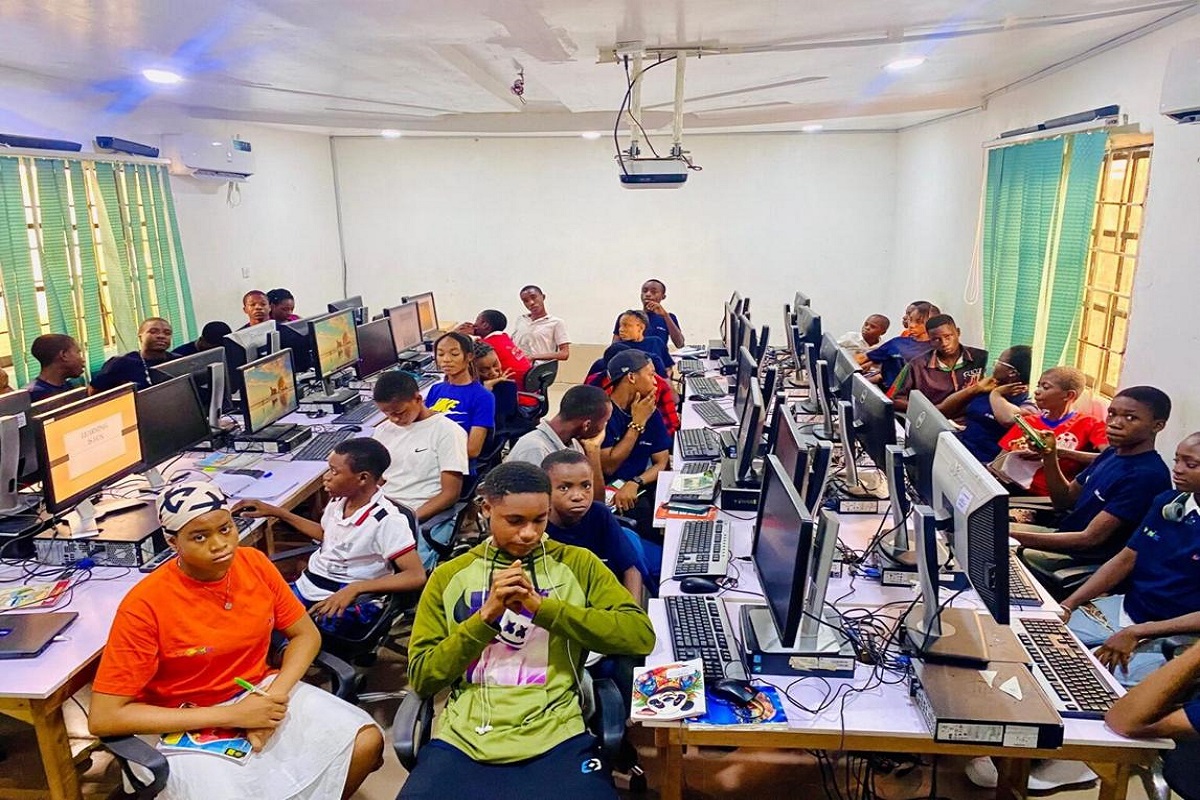
Its organisers, Ethica Resolve Nigeria Limited and PremierHub, said participants would choose from 27 courses covering foundational, developmental and specialised levels. Areas include AI data annotation, digital marketing, cybersecurity, software testing, video editing, data analysis, virtual assistance, IT helpdesk support, sales and customer experience.
Course selection is being guided by factors such as demand in domestic and international markets, the possibility of performing the work remotely from Nigeria and the accessibility of entry-level jobs.
In the North-West, Conclase Consulting Limited, through its StacStart platform, is delivering the programme. Its training covers digital and creative fields, with participants expected to receive support through internships, job placements and certification after successful completion.
The different regional programmes have their own delivery arrangements and course structures. The South-West organisers say training will run until February 20, 2027, while the North-West programme has been described as lasting between 10 and 18 weeks.
Beyond technical instruction, the organisers say participants will receive career guidance and workplace preparation. Graduates from the South-West cohort will also enter a verified talent pool that employers in Nigeria and abroad can access without recruitment fees. Employers are expected to report hires so the programme can track employment outcomes.
READ ALSO:
Device Access And Reliable Electricity Could Affect Who Benefits
The number of people selected is substantial, but access to the tools required to learn and work remains a practical concern.
Application data from the South-West programme show that about 61 per cent of applicants owned only smartphones. Fewer than half said they could commit to full-time training, while roughly two-thirds identified cost as a barrier.
The organisers said they had designed courses to work on mobile devices and introduced part-time and weekend options. Training hubs are also planned across the six states for participants who lack reliable electricity, internet access or suitable devices at home.
These arrangements could help more people complete their courses, although the demands of actual digital jobs may go beyond what a smartphone can support. Many roles require access to a computer, stable connectivity, appropriate software and a working environment that allows employees to meet clients’ expectations.
Infrastructure will also affect businesses seeking to hire from the new talent pool. Reliable power, affordable broadband, secure digital systems and dependable service delivery are important to companies handling international customer accounts and business data.

Employers Will Determine How Far Programme Goes Beyond Training
The Federal Government has also been developing a wider market for Nigerian services exports.
Its National Talent Export Programme is intended to connect Nigerian professionals and service providers with international employers. In August, the government launched its Hire From Nigeria campaign, with a target of facilitating one million export-linked jobs by 2030.
The iDICE training initiative could contribute to that ambition by preparing more people for roles in business services, technology and the creative economy. However, the availability of trained workers alone will not create enough demand for their services.
Employers need confidence in workers’ technical ability, communication, data security and consistency. Training providers will also need to show that their courses produce people who can perform real tasks to the standards expected by paying clients.
For the 100,000 selected participants, the immediate task is to complete the training and build practical experience. For the programme’s organisers, the more demanding work will be showing how many graduates secure paid employment, how long they remain employed and how much income they earn.
Those results will provide a clearer measure of the programme’s economic value than the number of people who enter a training room.

Joy Onuorah is a business journalist and brand communications specialist covering financial markets, artificial intelligence, digital economy, and the ideas reshaping business across Africa and the global market. Beyond her reporting for TheWill, Joy uses brand strategy, storytelling, copywriting, and high-value SEO to help brands build lasting market authority.