
-
Rising petrol prices are accelerating demand for compressed natural gas (CNG), with oil marketers reporting more vehicle conversions and financial institutions helping some motorists spread installation costs.
-
Banks and other financial institutions are financing some CNG vehicle conversions. Petrol prices in Lagos recently climbed above ₦1,300 per litre before easing to about ₦1,230.
-
Transport companies are buying more CNG and hybrid vehicles to cut fuel costs.
-
CNG demand has previously weakened when petrol prices fell. Industry groups are calling for more investment in gas infrastructure to support wider distribution.
August 25, (THEWILL) — Nigeria’s renewed CNG push is gaining momentum as higher petrol prices force motorists and transport operators to reconsider the economics of conventional fuel.
Oil marketers said some financial institutions are partnering with vehicle owners and prospective CNG users to finance cylinder installations, reducing the upfront cost of switching from petrol.
Chinedu Ukadike, National Publicity Secretary of the Independent Petroleum Marketers Association of Nigeria (IPMAN), said financing arrangements were helping more motorists make the switch.

“Some financial institutions are now partnering with commuters and interested buyers of CNG to finance the installation of CNG cylinders”, Ukadike said.
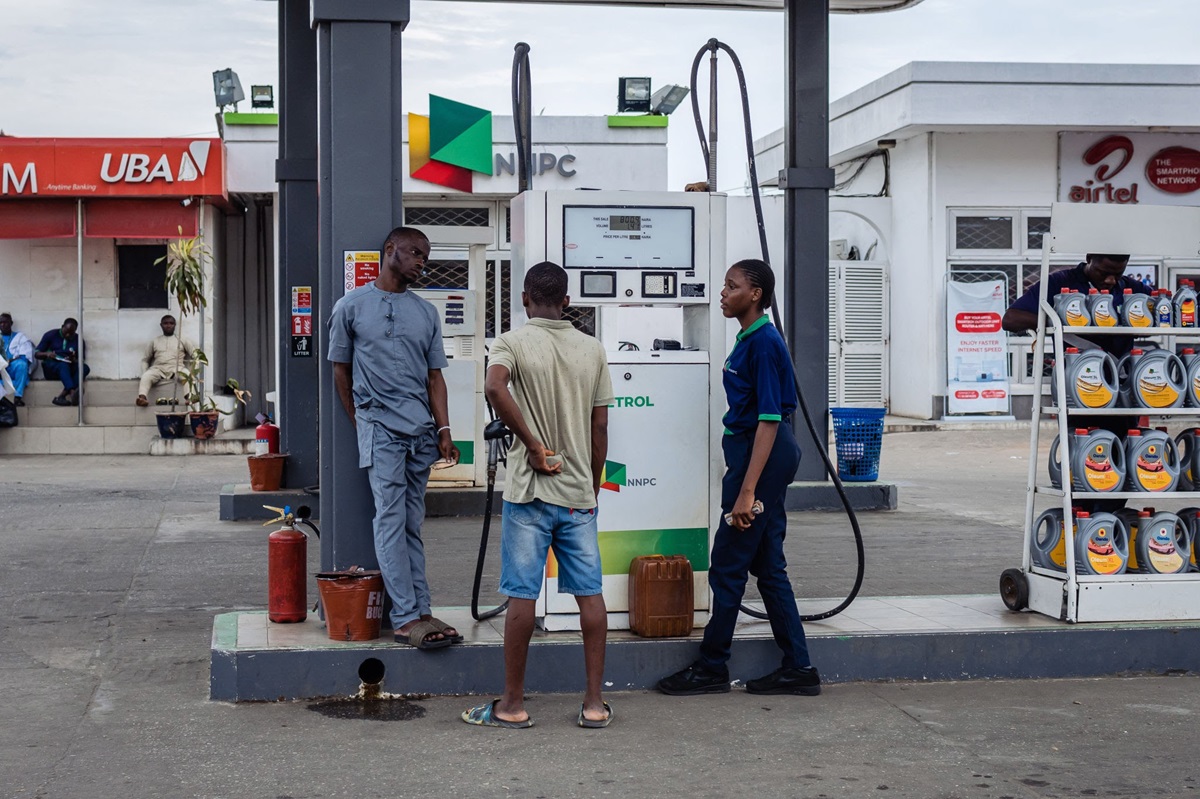
Fresh petrol-market volatility has strengthened demand for alternatives. Last month, some marketers stopped buying fresh petrol from major depots after the ex-depot price in Lagos reached ₦1,220 per litre.
Marketers linked the disruption to Dangote Refinery’s suspension of petrol loading. Retail prices subsequently rose above ₦1,300 per litre, from an average of about ₦1,080 in Lagos and surrounding areas. Prices have since fallen to roughly ₦1,230 per litre.
Paul Anjoma, an independent CNG station operator in Abuja, said his outlet was recording increased demand from motorists. Transport companies, he added, were buying more CNG and hybrid vehicles as they sought to lower operating costs.
“We are seeing more people coming to buy CNG. Transport companies are also buying more CNG and hybrid vehicles because they want to reduce their fuel costs”, Anjoma said.
Nigeria’s CNG market has also shown how quickly fuel economics can change consumer behaviour. In June 2026, Ukadike told Nairametrics that some motorists who had installed CNG systems were returning to petrol after petroleum prices declined.
A fall in crude prices followed a peace deal between the United States and Iran. Oil prices, which had reached as high as $120 per barrel, fell to around $77, reducing pressure on domestic petrol prices.
CNG adoption therefore remains closely tied to the price gap between gas and petrol. A wider gap can encourage conversions, while cheaper petrol can weaken the financial incentive to switch.
President Bola Tinubu launched the government’s CNG drive in August 2023 after the removal of the petrol subsidy, announcing plans to deploy CNG buses across states and local governments. The Federal Government said it had allocated N100 billion for 3,000 20-seater CNG buses for mass transit.
READ ALSO:
Gas Infrastructure Becomes The Next Test
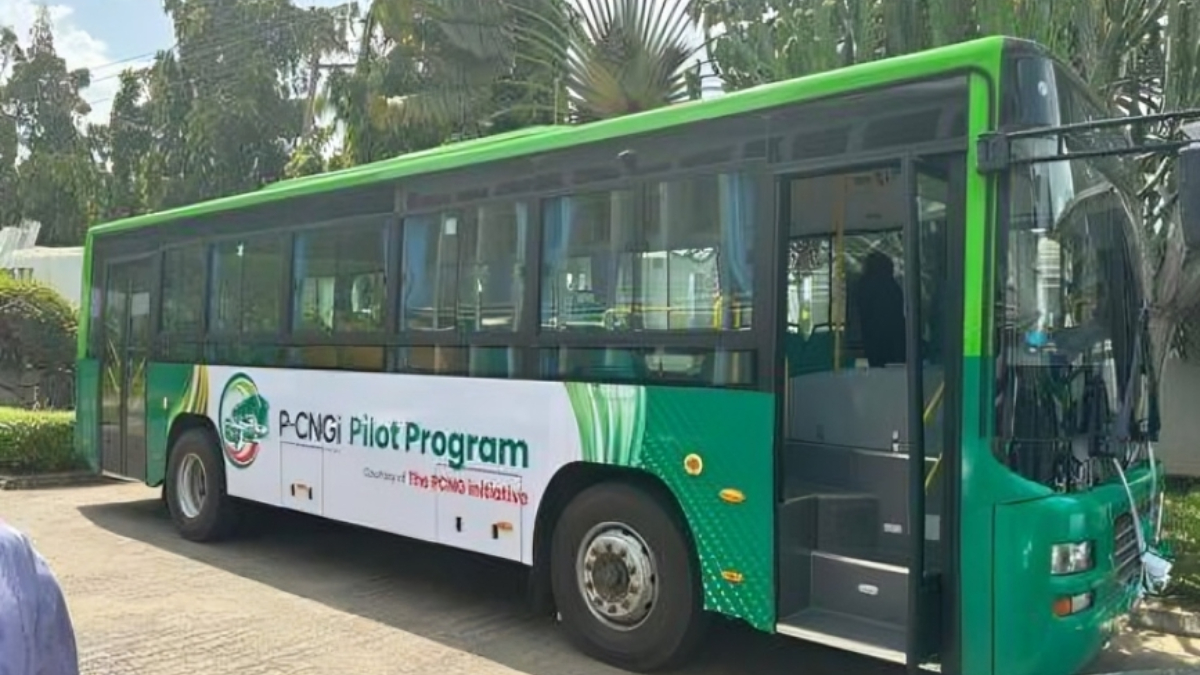
Growing demand is putting greater focus on the infrastructure required to supply CNG at scale.
The Petroleum Products Retail Outlets Owners Association of Nigeria (PETROAN) has urged the Federal Government to invest part of the gains from higher global oil prices in gas infrastructure.
PETROAN National President Billy Gillis-Harry said stronger infrastructure would allow petroleum marketers to establish more CNG daughter stations while increasing the availability of mother stations needed to support gas distribution.
IPMAN’s Ukadike also said the Presidential Committee on CNG Initiative had distributed CNG cylinders and conversion kits at subsidised rates and was working with IPMAN to make them available at service stations.
Financing arrangements could remove one of the biggest barriers facing motorists; the upfront cost of conversion. Commercial drivers and fleet operators stand to benefit most when lower conversion costs are combined with a meaningful fuel-price advantage.
Reliable gas supply and broader distribution capacity remain critical to sustaining demand. More conversion centres, mother stations and daughter stations would give motorists greater access to CNG beyond major urban markets.

Joy Onuorah is a business journalist and brand communications specialist covering financial markets, artificial intelligence, digital economy, and the ideas reshaping business across Africa and the global market. Beyond her reporting for TheWill, Joy uses brand strategy, storytelling, copywriting, and high-value SEO to help brands build lasting market authority.