
-
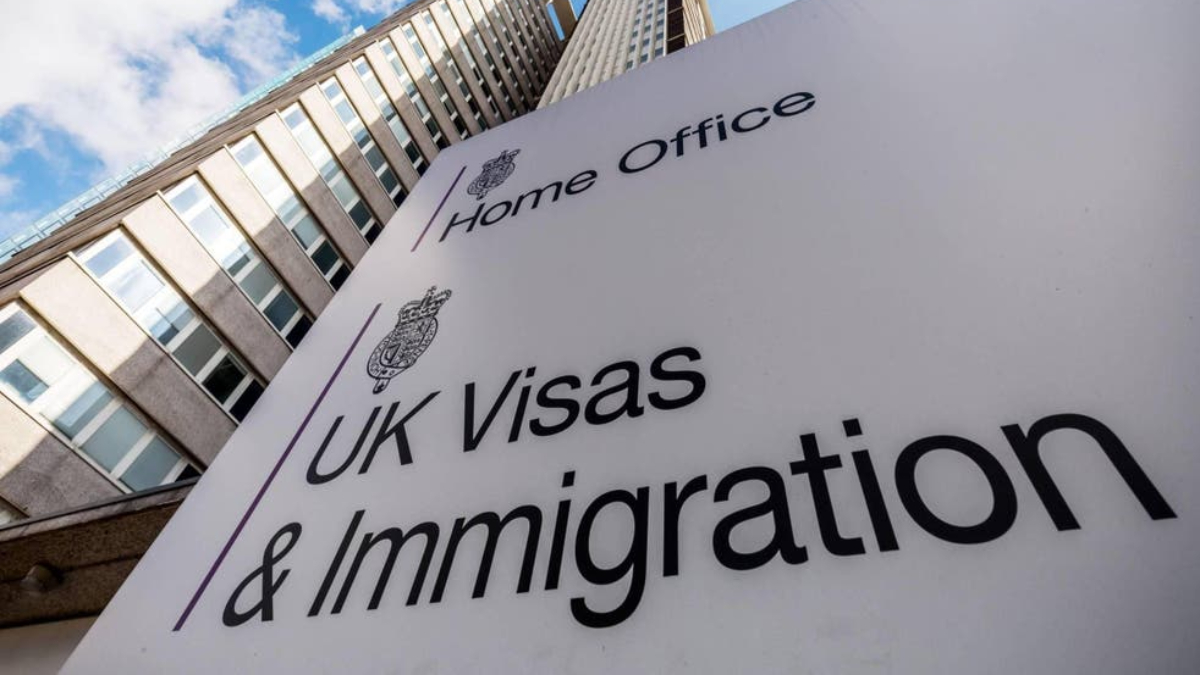
UK universities are revoking admission offers to Nigerian students as institutions move to avoid breaching tougher Home Office visa compliance rules.
-
Withdrawn study visa applications involving Nigerians jumped to 22.7% in the first half of 2026, compared with 4.5% during the same period in 2025.
-
Universities now face sanctions if their visa refusal rate reaches 5%, prompting some institutions to scale back recruitment from countries considered higher-risk.
-
University leaders warn the crackdown could slash international enrolment and trigger job losses, course closures and campus shutdowns across the UK.
October 12, (THEWILL) – Universities in the United Kingdom are withdrawing admission offers already made to Nigerian students as a tightening of immigration rules forces institutions to scale back recruitment from countries experiencing high study visa refusal rates.
The development has placed Nigerian applicants among those hardest hit by Britain’s tougher immigration regime, with universities increasingly concerned that rejected visa applications could jeopardise their licences to recruit international students.
A report by the Financial Times said universities were revoking offers on a large scale to applicants from countries including Nigeria and Pakistan following a sharp rise in study visa refusals by the UK Home Office.

According to the report, 10.5 per cent of UK study visa applications were withdrawn during the first half of 2026, a sharp increase from 2.3 per cent during the corresponding period in 2025 and 0.4 per cent in 2023.
The situation was significantly worse for Nigerian applicants. The proportion of study visa applications involving Nigerians that were withdrawn rose to 22.7 per cent in the first six months of 2026, compared with 4.5 per cent during the same period in 2025.
Although visa applications may be withdrawn for different reasons, universities told the Financial Times that a major factor behind the increase was institutions revoking admission offers before applicants’ cases could proceed.
Universities fear that a high number of Home Office visa refusals involving students they sponsor could push them beyond the government’s new compliance threshold and ultimately threaten their right to recruit overseas students.
Under rules introduced on June 1, 2026, institutions sponsoring international students must maintain a visa refusal rate of less than five per cent, down from the previous threshold of less than 10 per cent.
The minimum enrolment rate has also been increased from 90 per cent to 95 per cent, while institutions must currently maintain a course completion rate of at least 85 per cent. The completion threshold will rise to 90 per cent for assessments made from June 1, 2027.
The new regime means universities whose performance falls below the prescribed standards can face compliance action, potentially including the loss of their student sponsor licence.
Consequently, institutions have an incentive to withdraw sponsorship before a visa application is decided because a Certificate of Acceptance for Studies, CAS, withdrawn before a decision is made is excluded from the calculation of a university’s visa refusal rate.
Data from international student processing platform Enroly, cited by the Financial Times, indicated that nearly half of universities had visa refusal rates above the new five per cent threshold, leaving institutions scrambling to reduce their exposure.
The Home Office has linked its tougher approach partly to concerns that some foreign nationals are entering Britain through study routes before subsequently claiming asylum.
The British government said in June that asylum claims from people who originally entered on work, study and visitor visas had more than tripled under the previous government and accounted for 37 per cent of asylum claims, with foreign students making up the largest group. It said student asylum claims had subsequently fallen by 30 per cent following enforcement measures.
But university leaders have raised concerns over the impact of the policy and questioned the consistency of some visa refusals.
Sir David Bell, Vice-Chancellor of the University of Sunderland, said the sudden rise in refusals had forced institutions to take pre-emptive measures.
READ ALSO:
He said universities had been forced to pull back from international markets where applicants were facing tougher treatment during the visa process.
Jamie Arrowsmith, Director of Universities UK International, also warned that visa processing had become increasingly unpredictable, saying universities were withdrawing offers on a large scale to avoid falling foul of government compliance requirements.
Professor James Miller, Vice-Chancellor of the University of the West of Scotland and convener of Universities Scotland, said some universities had already stopped recruiting from certain geographical areas to keep their refusal rates below five per cent.
He warned that some institutions could record reductions of more than 20 per cent in international student numbers this year, raising the prospect of job cuts if the decline persists.
The crackdown could have wider financial consequences for Britain’s higher education sector, which has become heavily dependent on fees paid by international students.
Vanessa Wilson, Chief Executive of University Alliance, a body representing professional and technical universities, warned that falling overseas recruitment would force universities to restructure. She said the consequences could include job losses, closure of academic courses and, in some cases, campus closures.

Felix Ifijeh is a journalist with years of professional reporting experience. Known for his keen news sense, compelling storytelling and commitment to accurate, impactful reporting, he has built a reputation for turning leads into clear, engaging, and well-structured reports that resonate with readers. His work reflects deep newsroom experience and a commitment to accurate, impactful journalism.
