
-
Former Education Minister, Obiageli Ezekwesili, has alleged that Nigeria’s prolonged war against terrorism has become an “industry” from which people occupying positions of power, including elements within the military establishment, are benefiting.
-
She challenged the Federal Government and security authorities to account for the trillions of naira allegedly spent on combating terrorism and insecurity, arguing that the persistence of attacks despite huge expenditure points to a serious failure of governance.
-
Ezekwesili backed the establishment of state police but insisted that security agencies must have clearly defined mandates. She said the inability of the Nigeria Police Force to effectively handle internal security challenges has increasingly pushed the military into domestic operations.
-
The former minister also criticised the National Assembly and the wider political class for allegedly focusing on the 2027 elections rather than citizens’ welfare, warning that government is failing in its constitutional responsibility to protect lives and ensure the wellbeing of Nigerians.
August 27, (THEWILL) — Former Minister of Education, Obiageli Ezekwesili, has accused Nigeria’s power elite and military establishment of benefiting from the country’s prolonged battle against terrorism and insecurity, describing the fight against terrorism as an “industry” for those controlling the levers of power.
Ezekwesili made the allegation during an interview with News Central Television, where she questioned the effectiveness of the government’s response to insecurity and demanded greater accountability over the enormous resources reportedly committed to combating terrorism.
According to the former minister, Nigerians deserve to know what has been achieved with the trillions of naira allegedly spent on the country’s security challenges, particularly as attacks, killings, kidnapping and other forms of violent crime continue to threaten citizens in different parts of the country.

“Fighting terrorism is now an industry from which people who have the levers of power, starting from the Commander-in-Chief of the Armed Forces to the military establishment, are benefiting. They need to be telling Nigerians what the performance is from the kind of trillions of naira that has been allegedly used to fight insecurity in the country. The results point to the fact of poor governance”, Ezekwesili said.
She said the continued deterioration of security despite years of military operations, intelligence efforts and increased government spending should compel the authorities to provide Nigerians with clear explanations on the deployment and impact of security funds.
Ezekwesili also criticised what she described as the government’s failure to treat the protection of citizens as an overriding responsibility, warning that perceived indifference to attacks could embolden the country’s enemies.
“Joking with the life of your citizens is the way that you send a signal to the enemies that you cannot be bothered”, she said.
State Police
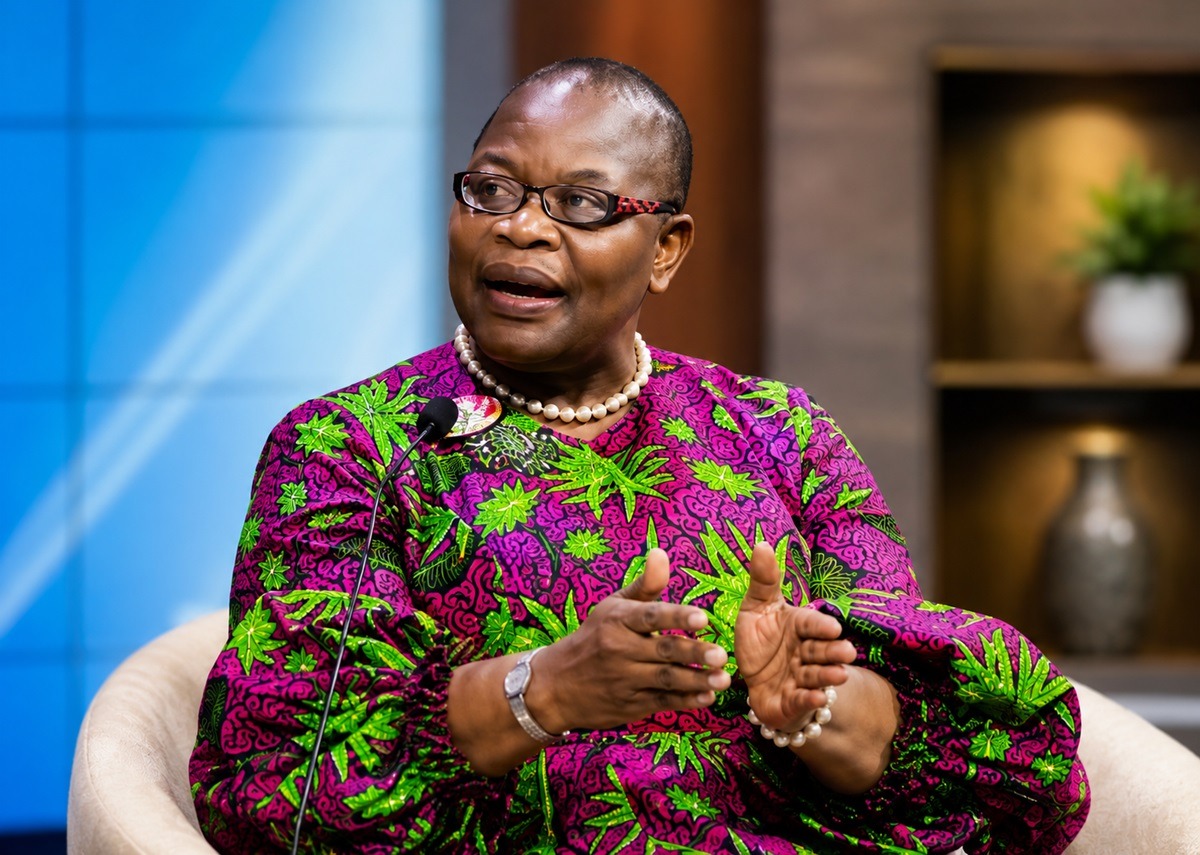
On the debate over the establishment of state police, Ezekwesili said she supported the proposal but stressed that the effectiveness of any security reform would depend on clear responsibilities and professional conduct by the various security agencies.
“Yes, but if we had good governance, the clarity of the mandates would be observed”, she added.
The former minister argued that Nigeria’s security challenges cannot be adequately addressed without ensuring that every security institution understands its role and operates within a properly coordinated national security framework. She recalled a period when the Department of State Services was allegedly weakened, saying efforts were subsequently made to restore professionalism to the organisation.
“There was a time the DSS was degraded. A certain Adeola became the DG of the DSS, and they began the reprofessionalization”, she noted.
Ezekwesili also blamed the weakness of the Nigeria Police Force for the increasing involvement of the military in internal security operations.
“The police are not able to be that institution. This has gone beyond their pay grade. That’s why the military has become involved in internal matters of this kind”, she stated.
The growing deployment of the military for internal security duties has remained a major issue in Nigeria, with the armed forces increasingly called upon to tackle threats traditionally handled by the police and other civilian security institutions.
READ ALSO:
2027 Election
Speaking on the possibility of the 2027 general election becoming a turning point for Nigeria, Ezekwesili said major political changes do not necessarily announce themselves in advance.
“Sometimes turning points don’t announce themselves”, she said.
However, she expressed deep reservations about the priorities of the National Assembly, accusing lawmakers of concentrating more on the next election than on the welfare and security of Nigerians.
“Look at the National Assembly, we consider them to be a bunch of people who don’t really care about the citizens. They’re all interested in the next election. They say that statesmen think of the next generation, but lousy politicians only think about the next election”, she added.
The former minister further criticised the broader political system, arguing that the government has failed to adequately discharge what she described as its constitutional responsibility to guarantee the security and welfare of the people.
“So, here they are, things are completely aground in terms of the functionality of the system of ensuring that what our Constitution places as a mandate of the government, that is, security and the welfare of the people, is the primary responsibility of government; they don’t care to read that page”, she said.
Background
Nigeria has been battling terrorism and other forms of violent insecurity for more than a decade, with the Boko Haram insurgency emerging as one of the country’s most serious security threats since 2009.
The conflict has evolved over the years, with splinter groups and other armed organisations sustaining attacks in the North-East, while banditry, kidnapping and communal violence have spread across other parts of the country.
Successive administrations have committed significant financial resources to the military and other security agencies in an effort to contain the threats. The armed forces have also been deployed extensively in internal security operations across several states.
Despite these efforts, insecurity remains a major national concern, with persistent attacks continuing to raise questions about the effectiveness of the country’s security architecture, intelligence gathering, policing and utilisation of security funds.
The debate has also intensified over demands for state police, with proponents arguing that a decentralised police structure would bring security closer to communities and improve intelligence gathering, while critics have raised concerns about possible political abuse.
Ezekwesili’s latest intervention has therefore placed renewed focus on two critical questions: how Nigeria’s enormous security expenditure is being utilised and whether the country’s political and security institutions are delivering the results Nigerians have a right to expect.

Felix Ifijeh is a journalist with years of professional reporting experience. Known for his keen news sense, compelling storytelling and commitment to accurate, impactful reporting, he has built a reputation for turning leads into clear, engaging, and well-structured reports that resonate with readers. His work reflects deep newsroom experience and a commitment to accurate, impactful journalism.