
-
Nigeria’s domestic petrol supply fell 21 percent in July to 25.8 million litres per day, while imports rose 9 percent to 19.7 million litres.
-
The reversal came as crude receipts by domestic refineries dropped 8%, highlighting the importance of reliable feedstock to local refining.
-
Dangote Refinery remained the dominant domestic supplier, but the figures show imports are still needed when local refinery supplies weaken.
August 25, (THEWILL) — Nigeria’s petrol import dependence increased in July as supplies from domestic refineries fell sharply, reversing some of the gains made from the expansion of local refining capacity.
Latest data on Nigeria’s midstream and downstream petroleum operations showed that domestic Premium Motor Spirit (PMS) supply declined by 21 percent in July, while petrol imports increased by 9 percent.
Total daily petrol receipts also fell 10 percent, from 50.6 million litres in June to 45.5 million litres in July.

Domestic supply loses ground
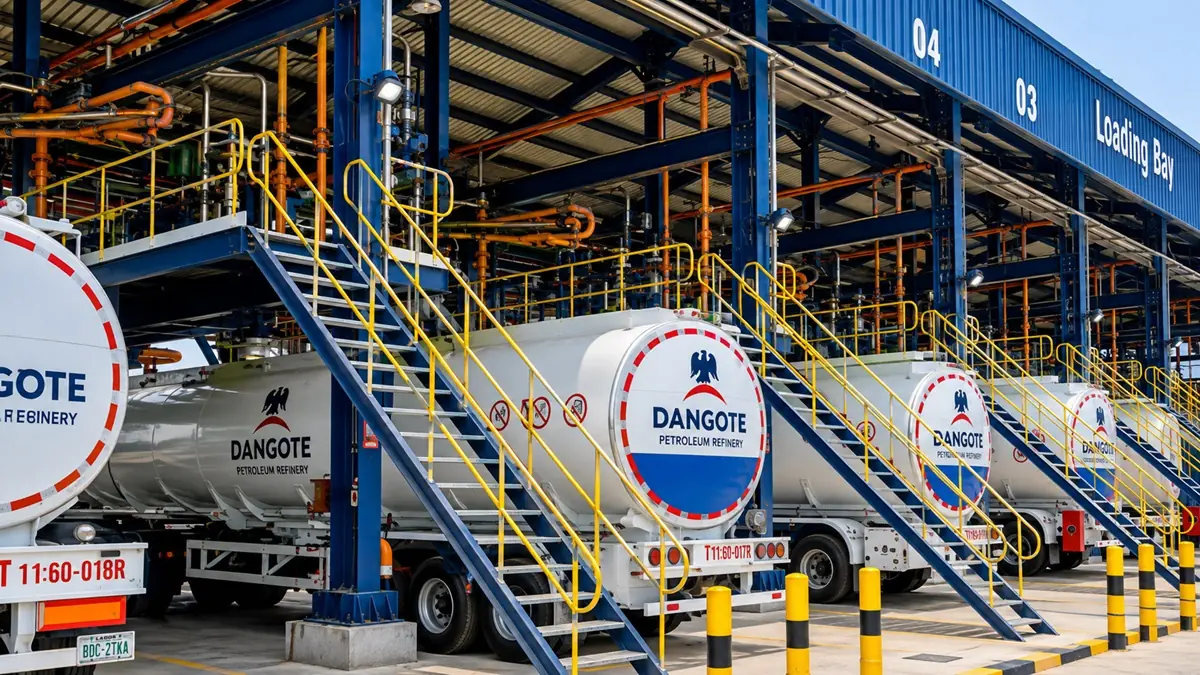
Domestic refineries supplied 25.8 million litres of petrol per day in July, down from 32.5 million litres in June.
At the same time, imported petrol receipts increased from 18.1 million litres per day to 19.7 million litres.
Although locally refined petrol remained the larger source of supply, imports gained a larger share of the market as domestic supplies weakened.
The July decline extended a reversal that began in June, when domestic petrol supply fell 22 percent while imports surged 207 percent to 18.1 million litres per day.
Crude supply falls

The decline in domestic petrol supply coincided with an 8 percent fall in crude oil receipts by domestic refineries, from 632,000 barrels per day in June to 585,000 barrels per day in July.
The development highlights the importance of reliable crude supply to Nigeria’s efforts to reduce dependence on imported refined products.
Dangote Refinery operated at an average capacity utilisation of more than 71% during the period and recorded average petrol production of about 25.9 million litres per day.
The refinery’s output was therefore broadly in line with the 25.8 million litres per day recorded as total domestic PMS receipts.
Diesel imports return
The reversal was also visible in the diesel market.
Automotive Gas Oil (AGO) receipts increased 46 percent, from 16.2 million litres per day in June to 23.6 million litres in July.
Domestic diesel supply slipped slightly from 16.2 million litres to 15.7 million litres per day, while imports returned with 7.9 million litres daily after no imported AGO was recorded in June.
The figures suggest that imports continue to act as a balancing source when domestic petroleum product supplies fall.
READ ALSO:
Petrol demand drops

Nigeria’s petrol consumption also declined sharply during the month.
PMS volumes trucked into the domestic market fell 25 percent, from 47.4 million litres per day in June to 35.7 million litres in July.
Despite the lower consumption, petrol stock sufficiency improved from 19.7 days to 22.4 days, indicating that available inventories could cover demand for a longer period.
Diesel stock sufficiency also increased from 37.1 days to 46.5 days, while daily consumption fell from 16 million litres to 14.7 million litres.
LPG bucks the trend
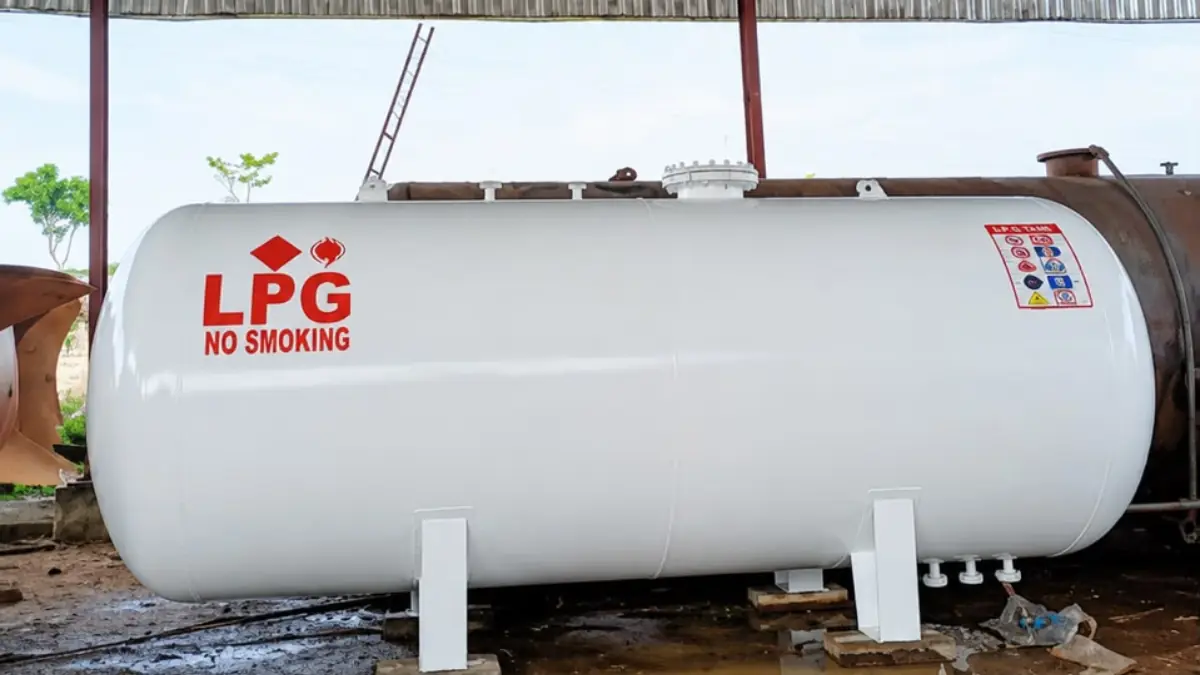
Liquefied Petroleum Gas (LPG) recorded a different pattern, with domestic supply strengthening while imports declined.
Total LPG receipts increased from 5.1 kilotonnes per day to 5.3 kilotonnes, while domestic supply rose 22 percent from 3.6 kilotonnes to 4.4 kilotonnes.
Imports fell 40 percent from 1.5 kilotonnes to 0.9 kilotonnes per day, while LPG consumption increased 7 percent to 4.4 kilotonnes.
The contrasting trends show that Nigeria’s expanding refining capacity has improved its ability to meet domestic fuel demand, but the shift away from imports remains vulnerable to fluctuations in refinery output and crude availability.

Ogochukwu Onwaeze is a writer specializing in business and economic journalism. At THEWILL News Media, she translates market trends, financial developments, and policy shifts into clear and engaging stories.
