
-
Dangote Refinery has extended its free fuel delivery programme to Kano, Imo, Anambra and Nasarawa.
-
The initiative is designed to reduce marketers’ transportation and logistics costs and improve cash flow.
-
Lower distribution costs could give marketers more room to reduce petrol prices, although the savings must ultimately be passed to consumers.
August 24, (THEWILL) — The Dangote Petroleum Refinery has expanded its free petroleum products delivery initiative to Kano, Imo, Anambra and Nasarawa states, as it seeks to cut distribution costs for independent petroleum marketers and create room for lower petrol prices.
The initiative, which initially covered Lagos, Ogun, Rivers, Kaduna, Abuja and Delta, is designed to move refined products closer to marketers and retailers while reducing the cost of transporting petrol over long distances from the refinery.
Cutting the cost of fuel distribution
By absorbing delivery costs, Dangote Refinery is taking on one of the major expenses built into Nigeria’s downstream petroleum distribution chain.

The company said the move is particularly important for marketers supplying states far from the refinery, where haulage, vehicle operations, driver costs, insurance, road risks and other logistics can significantly increase the cost of delivering petrol.
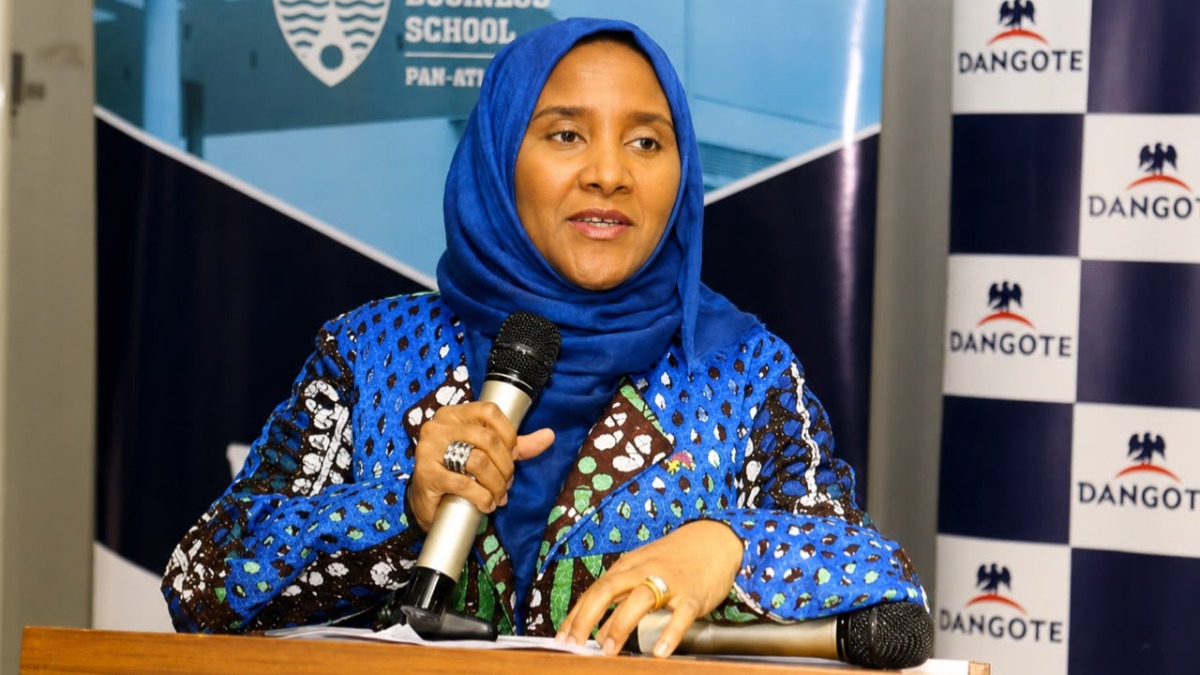
Fatima Aliko Dangote, Group Executive Director, Commercial Operations, Oil & Gas, WAEP and Fertiliser, Dangote Industries Limited, said the initiative was intended to ensure that the benefits of domestic refining extend beyond the refinery itself.
“The value of domestic refining must ultimately be felt beyond the refinery gate. By absorbing the cost of delivering petroleum products to our customers, we are removing a significant component of the distribution burden and creating room for those savings to flow through the value chain to consumers”, she said.
She added that the objective was to make fuel distribution more efficient, eliminate avoidable costs and support more competitive pump prices across the country.
What marketers stand to gain
The Independent Petroleum Marketers Association of Nigeria welcomed the expansion, saying the initiative could ease some of the financial and logistical pressures facing its members.
Chinedu Ukadike, National Publicity Secretary and Public Relations Officer of IPMAN, said marketers often tie down substantial funds after paying for petroleum products while waiting for loading and transportation.
“This gesture, if sustained, will be able to alleviate the sufferings of independent marketers”, he said.
According to him, the delivery arrangement could improve marketers’ cash flow by reducing the period their funds remain locked up while waiting for products to be transported to their locations.
That could allow marketers to deploy their working capital more efficiently and potentially improve competition in the retail market.
READ ALSO:
Can it lower petrol prices?
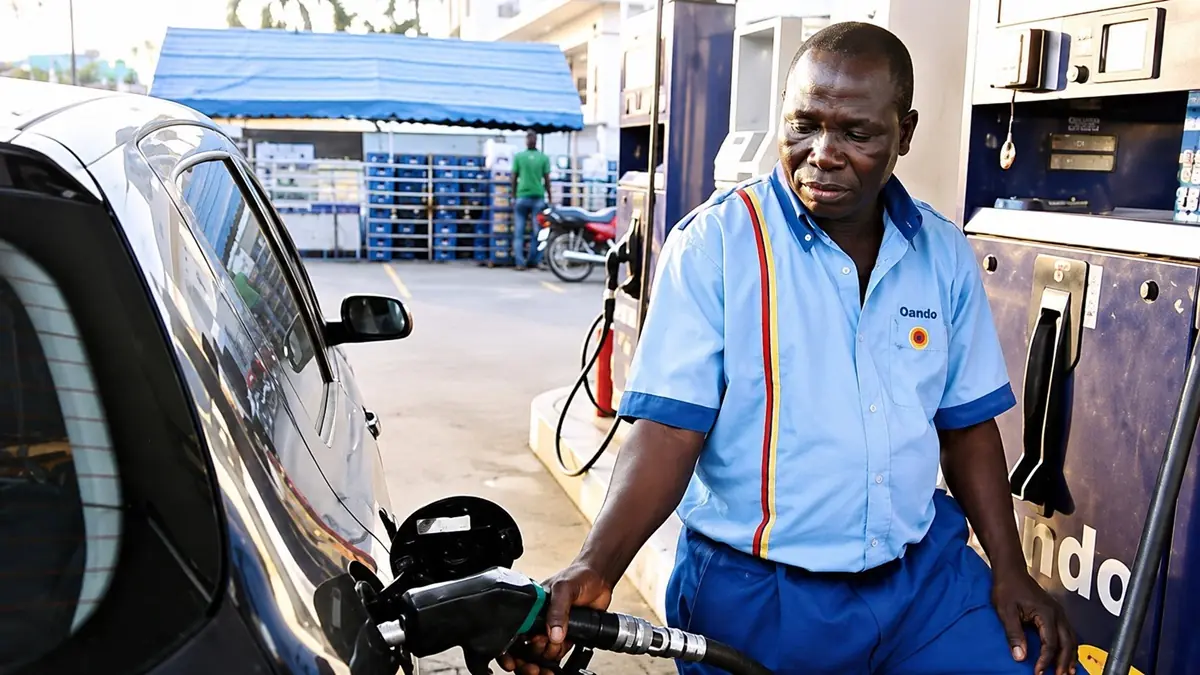
The expansion could create room for lower pump prices by reducing the logistics component of petrol distribution. However, the extent to which consumers ultimately benefit will depend on how much of the savings marketers pass through to retail prices.
The initiative also reduces the risks of transporting large volumes of petroleum products over long distances, including road-related risks and other operational expenses.
For distant markets such as Kano and Nasarawa, the impact could be greater because transportation costs can represent a larger share of the final cost of supplying petrol.
The expansion comes as Nigeria’s downstream petroleum market adjusts to rising domestic refining capacity and increasing competition among fuel suppliers.
The Dangote Refinery, with a capacity of 700,000 barrels per day, has increasingly supplied refined petroleum products to the domestic market while also expanding its exports.

Ogochukwu Onwaeze is a writer specializing in business and economic journalism. At THEWILL News Media, she translates market trends, financial developments, and policy shifts into clear and engaging stories.