
-
Applicants no longer need to visit the Ministry physically to evaluate or authenticate academic certificates.
-
Students and graduates abroad can now access the process without travelling to Nigeria.
-
Schools and employers get a more structured channel for verifying academic qualifications.
-
FG says the reform will reduce bureaucracy, improve transparency and strengthen the credibility of Nigeria’s certification system.
September 09, (THEWILL) — A graduate could have the degree, the transcript and the institution that awarded it, and still face another hurdle before a school, employer or foreign authority can accept the qualification.
Now, one part of that process no longer requires a trip to a government office.
The Federal Ministry of Education has fully automated academic certificate evaluation and authentication, allowing applicants to complete the process online instead of visiting the Ministry physically.

For a student racing against an admission deadline, a graduate applying for a job or a Nigerian abroad who needs Nigerian credentials authenticated, removing the physical visit could mean fewer logistics, lower costs and one less administrative process to organise around.
It also changes things on the other side of the desk. Schools, employers and other institutions that need to establish the authenticity of a qualification will have a more structured channel through which credentials can be verified.
Here are five hurdles the new system could take out of Nigeria’s academic certification process.
1. It Removes The Abuja Problem

Applicants who previously needed to visit the Ministry can now complete the process online, meaning a certificate verification exercise no longer has to become a physical trip.
For students and graduates living outside Abuja, this could remove transportation, accommodation and time costs. Nigerians abroad could feel the benefit even more, as they can access the process without travelling back to Nigeria simply to complete an administrative requirement.
It also gives applicants more control over when and how they begin the process instead of having to organise their schedules around a government office.
2. It Cuts The Bureaucratic Trail
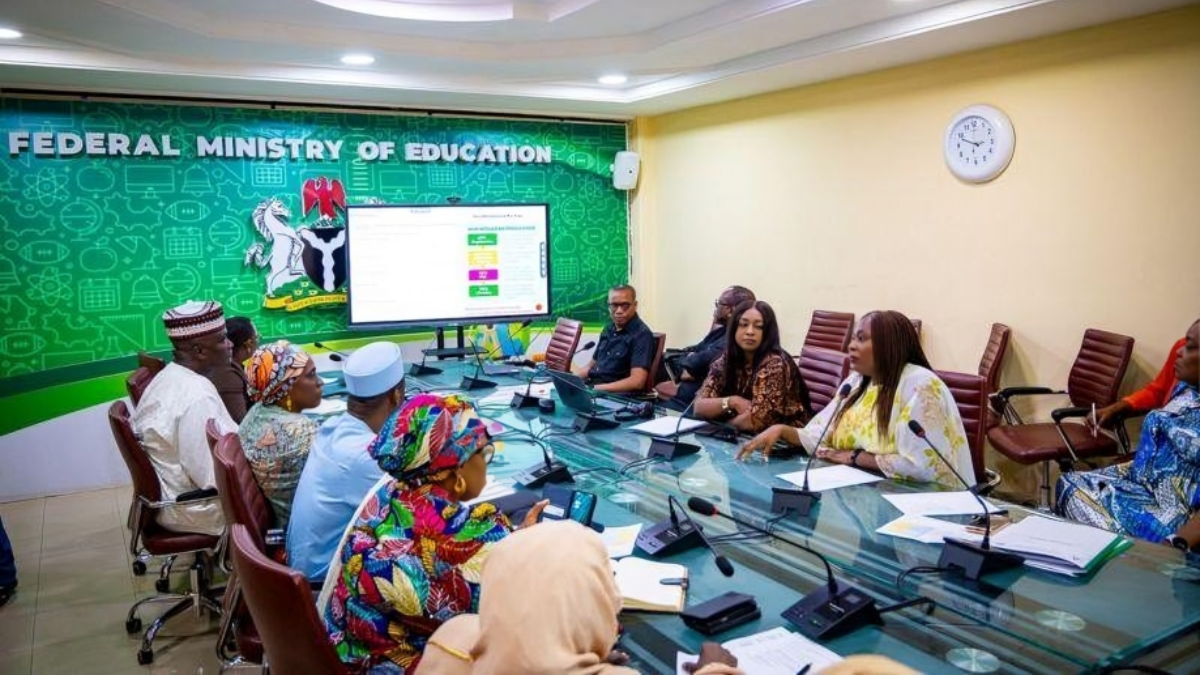
Certificate authentication sits at an important point in the journey from education to employment or further study. Delays at this stage can create complications for people working against admission, recruitment or other deadlines.
The Ministry says its new system is designed to reduce bureaucratic bottlenecks and accelerate processing while making the service more convenient for applicants.
For schools and government officials, moving the process into a structured digital channel could also reduce some of the manual back-and-forth involved in handling verification requests.
3. It Gives Employers A More Structured Verification Route
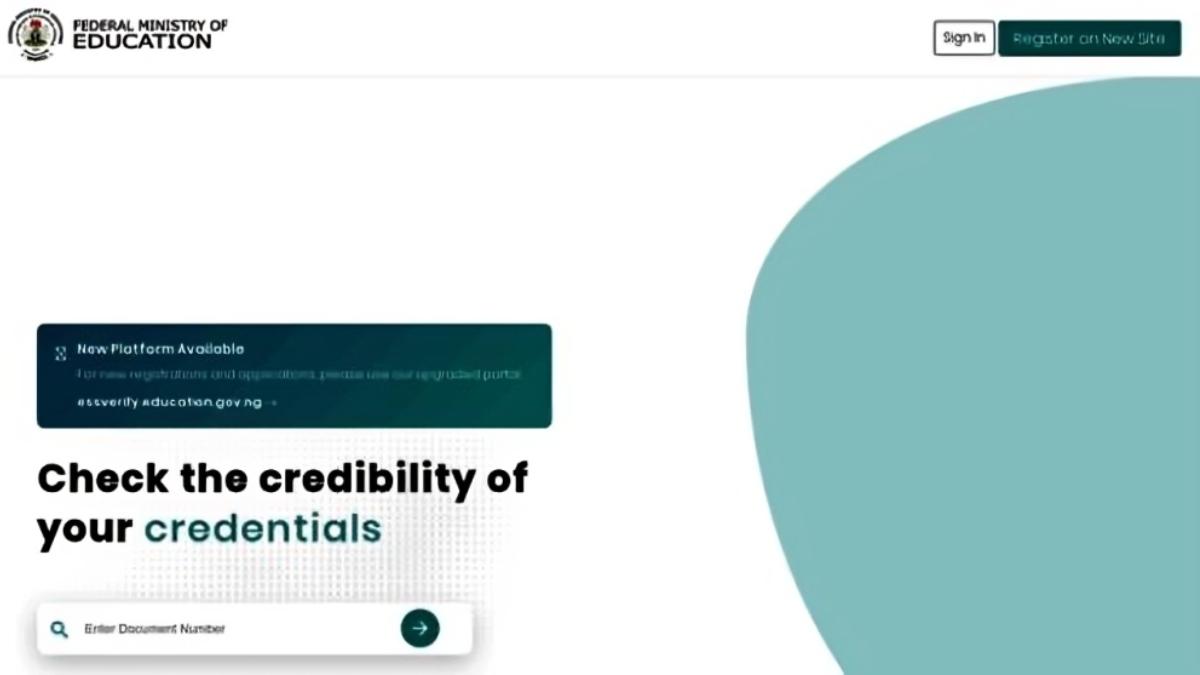
Employers need confidence that the qualifications presented by job applicants are genuine. Educational institutions and other organisations also need reliable ways to confirm academic credentials.
The Ministry says the new system will allow institutions, employers and other stakeholders to verify qualifications through a more structured and reliable process.
A centralised digital channel could therefore make credential verification easier to initiate and follow, while strengthening the government’s role in authenticating Nigerian academic qualifications.
READ ALSO:
4. It Raises The Cost Of Fake Credentials

Digitising verification does not automatically eliminate academic fraud, but a more structured authentication system can make legitimate credentials easier to verify.
The Ministry says the reform will strengthen the integrity and credibility of Nigeria’s academic certification system. For institutions and employers, reliable authentication is important because the value of a qualification depends partly on confidence that the credential is genuine.
It also puts more pressure on educational institutions to maintain accurate academic records that can support verification when requests come through the new system.
5. It Makes Government Services Less Dependent On Location

Perhaps the most significant change is philosophical.
A student should not have to be in Abuja to access an education service simply because the government office administering it is there. A Nigerian living in Lagos, London or anywhere else should be able to start the same process through a digital platform.
That is the promise behind the Ministry’s move.
Alausa said the initiative reflects the Ministry’s commitment to using technology to improve institutional efficiency and deliver citizen-centred services.
If the platform delivers on those objectives, certificate evaluation could become one less government process Nigerians have to physically chase.

Joy Onuorah is a business journalist and brand communications specialist covering financial markets, artificial intelligence, digital economy, and the ideas reshaping business across Africa and the global market. Beyond her reporting for TheWill, Joy uses brand strategy, storytelling, copywriting, and high-value SEO to help brands build lasting market authority.