
-
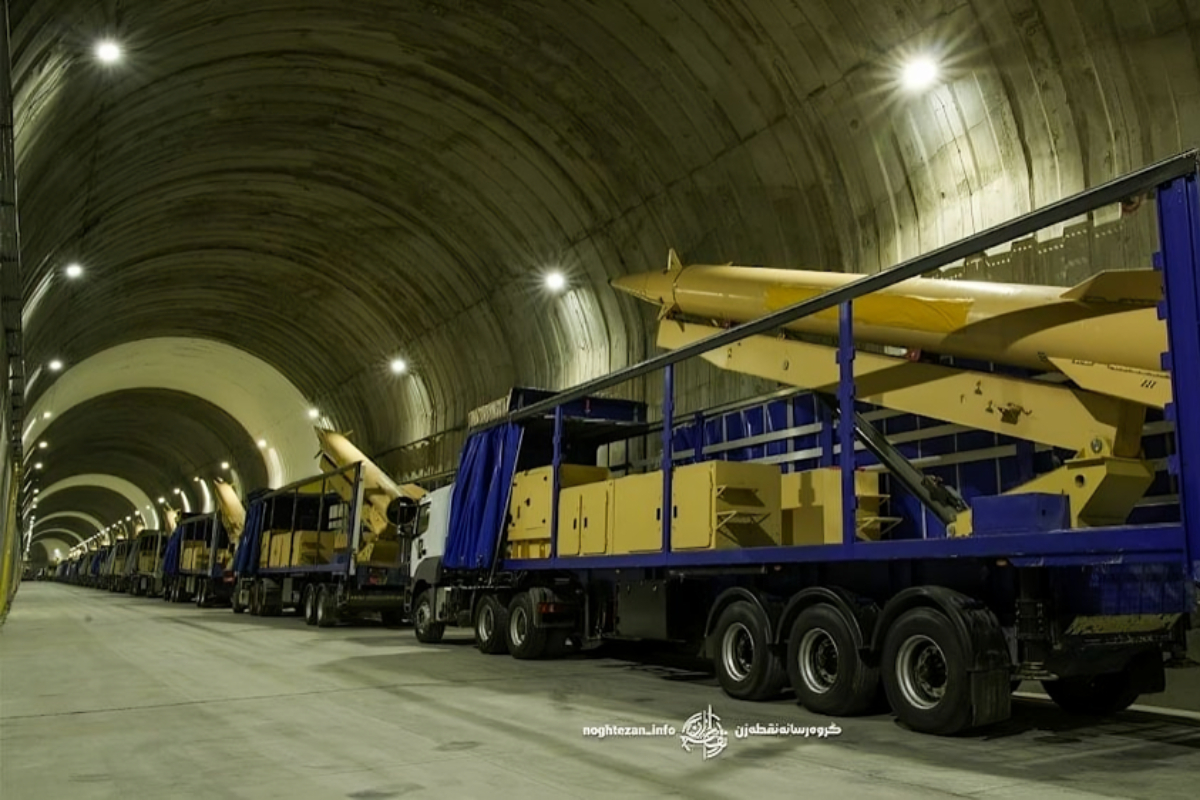
Iran’s Islamic Revolutionary Guard Corps (IRGC) has unveiled a new underground missile city, displaying an array of ballistic and cruise missiles alongside their launch systems.
-
The unveiling was attended by Armed Forces Chief of Staff, Major General Ali Abdollahi, and IRGC Aerospace Force Commander, Brigadier General Majid Mousavi.
-
IRGC spokesman, Brigadier General Hossein Mohebbi, said Iran had moved missile and drone production lines underground to ensure weapons manufacturing continued even under heavy bombardment.
-
Iranian military commanders warned that the country had additional military capabilities to deploy in any future confrontation with the United States and Israel.
November 10, (THEWILL) – Iran’s Islamic Revolutionary Guard Corps (IRGC) has unveiled a new underground missile city, displaying an array of ballistic and cruise missiles, alongside their launch systems, in a demonstration of the country’s military capabilities amid continuing tensions with the United States and Israel.
The unveiling by the IRGC Aerospace Force held on Tuesday, November 10, was attended by the Chief of Staff of the Iranian Armed Forces, Major General Ali Abdollahi, and Commander of the IRGC Aerospace Force, Brigadier General Majid Mousavi.
Footage released by Iranian state media showed the two senior military commanders touring sections of the underground facility, where missiles, launchers and other military equipment were displayed inside an extensive network of tunnels.
Iran’s semi-official Tasnim News Agency reported that the facility contained different categories of ballistic and cruise missiles alongside their launch systems.
However, Iranian authorities did not disclose the location of the facility, its size, construction details or operational capacity.
The unveiling followed an announcement by IRGC spokesman, Brigadier General Hossein Mohebbi, on Saturday that the Aerospace Force would introduce a new underground missile city and other military capabilities during its Aerospace Force Week.

Mohebbi said the Guards had accelerated the transfer of missile and drone production lines from surface installations to underground facilities, describing the development as an expansion beyond conventional underground weapons storage. He said the initiative was designed to ensure that Iran’s military production capabilities remained operational even during heavy aerial bombardment.
According to him, the country’s domestic technological expertise, geographical size and flexible industrial infrastructure would make it difficult for adversaries to disrupt its weapons manufacturing activities.
Mohebbi said Iran was establishing what he described as “missile production cities” deep beneath the ground to protect its weapons manufacturing infrastructure. He also claimed that Iran’s missile and drone production capabilities were based on indigenous technological expertise rather than foreign supplies or reverse-engineering captured weapons.
“Today, every weapon used by the IRGC Aerospace Force is manufactured using homegrown knowledge and expertise. Moreover, our products are not even derived from reverse-engineering captured enemy war material”, Mohebbi said.
The IRGC spokesman further claimed that Iran had developed improved stealth capabilities for its missiles and drones, enabling them to penetrate enemy air defence systems and strike designated targets.
Military Commanders Issue Fresh Warnings
Speaking during Tuesday’s unveiling, Mousavi said Iran was prepared to confront military threats within and beyond the region, warning that its adversaries should not underestimate its capabilities.
“Today, we are fully prepared to confront any threat in the region and beyond, with capabilities that are both credible and reliable”, he said.
The IRGC Aerospace Force commander further warned that Iran could target the military capabilities of its adversaries across the region and beyond if necessary.
“If necessary, we will bring all of their (enemies’) capabilities across the region and beyond under fire, leaving the enemy with nothing but defeat and rout”, Mousavi declared.
Abdollahi also issued a warning to Iran’s adversaries, saying the country’s military determination would not be influenced by the numerical superiority or technological advantages of opposing forces.
“We neither accept the enemy’s calculations nor allow them to influence our determination”, he charged.
The Iranian military chief maintained that the country’s military response would be determined by the resolve of its armed forces rather than the quantity of weapons deployed against it.
He also dismissed Israeli Prime Minister Benjamin Netanyahu’s earlier position that either Israel must destroy Iran or Iran would destroy Israel.
“It is clear that we will ultimately destroy them”, Abdollahi asserted.
He further warned that Iran had additional military capabilities that could emerge in any future confrontation.
“Surprises in the next war will emerge one after another”, he said.
READ ALSO:
Iran’s Underground Missile Network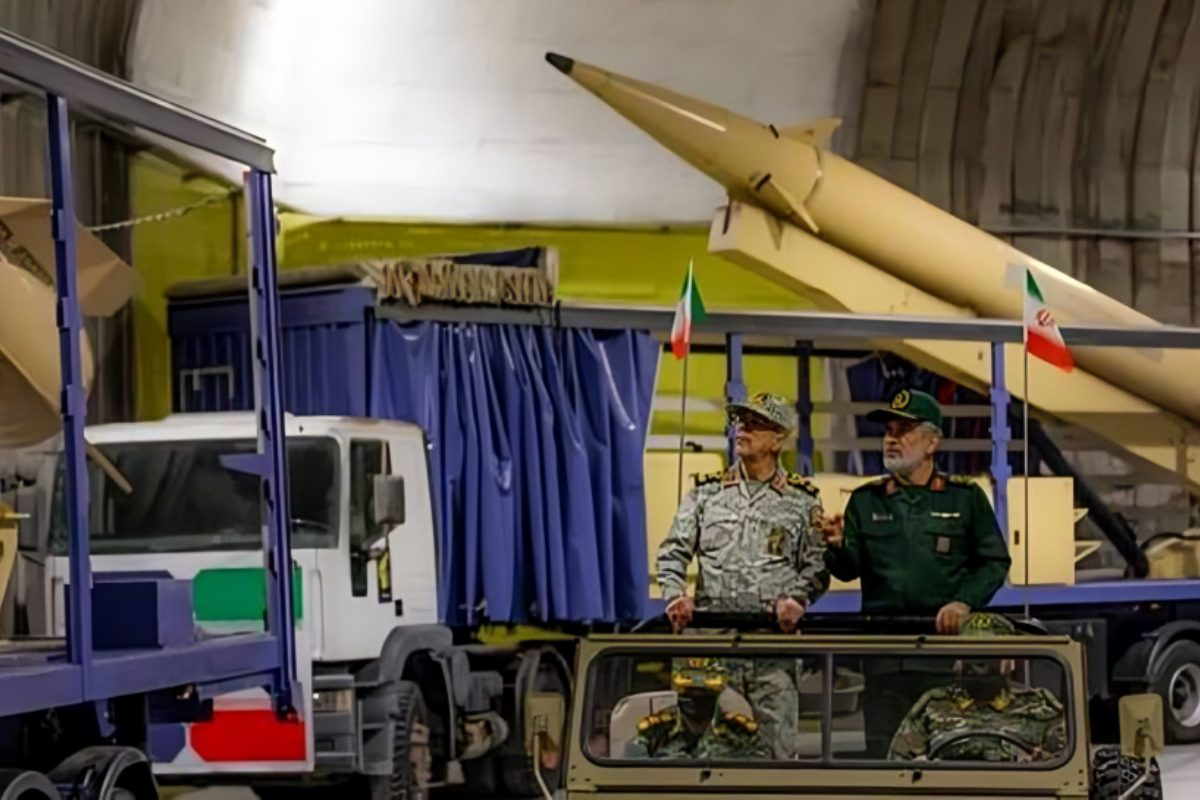
Iran has for years developed underground military installations, commonly described by the IRGC as missile cities, to protect its weapons stockpiles, launch systems and other strategic military assets from aerial attacks.
Some of the facilities are reportedly constructed beneath mountainous terrain, with underground tunnels designed to accommodate missile storage, transportation and launch operations.
The latest unveiling is part of Tehran’s broader efforts to demonstrate the resilience of its missile infrastructure following military strikes against Iranian military installations in previous confrontations with Israel and the United States.
The unveiling comes amid continuing tensions between Tehran, Washington and Tel Aviv, with Iranian military officials warning that any fresh attack against the country would attract a response.

Felix Ifijeh is a journalist with years of professional reporting experience. Known for his keen news sense, compelling storytelling and commitment to accurate, impactful reporting, he has built a reputation for turning leads into clear, engaging, and well-structured reports that resonate with readers. His work reflects deep newsroom experience and a commitment to accurate, impactful journalism.
