
-
Domestic refining capacity has risen from 30,000 bpd to about 700,000 bpd.
-
Tax revenue climbed from ₦12.3trn in May 2023 to ₦27.1trn by July 2026.
-
Nigeria recorded a ₦7.55trn trade surplus in Q1 2026.
-
Minimum wage has risen from ₦30,000 to ₦70,000, while millions of children remain out of school.
August 10, (THEWILL) — Nigeria’s economic picture looks markedly different from where it stood in May 2023.
Speaking on Channels Television, Nigeria Revenue Service Chairman, Zacch Adedeji, laid out a series of figures comparing the country’s position at the start of the current administration with where it stood by mid-2026.
His scorecard covered everything from oil refining and government revenue to foreign investment, the stock market, wages and education.

One of the clearest changes has happened in energy. Nigeria had about 30,000 barrels per day of domestic refining capacity in May 2023.
By mid-2026, Adedeji put the figure at about 700,000 barrels per day, with the country recording its first net petrol export in March 2026.
That increase matters beyond the petroleum industry. More domestic refining means Nigeria can process a larger share of its crude locally rather than relying as heavily on imported refined products.
It also changes the country’s trade position, since refined petroleum products can now be exported alongside crude oil.
READ ALSO: Nigerian Economy 2026: A Mid-Term Review and Commentary
From Production To Revenue And Investment

Stronger domestic production has coincided with a sharp increase in government revenue.
Collections by the former Federal Inland Revenue Service and now the NRS stood at ₦12.3 trillion in May 2023. Adedeji put the figure at ₦28.3 trillion for 2025, with collections reaching ₦27.1 trillion by July 2026.
Revenue growth gives the government greater capacity to fund public spending, but it also tells us something about the formal economy.
More economic activity is being captured within the tax system, while reforms aimed at improving collection are bringing more transactions and businesses into the tax net.
Foreign investment provides another indication of how the economic picture has changed. Nigeria recorded US$3.9 billion in capital importation in May 2023, compared with US$23.22 billion in 2025.
That increase becomes more significant when placed alongside Nigeria’s trade figures. From a marginal ₦44.7 billion trade surplus in May 2023, the country recorded a ₦7.55 trillion surplus in the first quarter of 2026.
Several factors feed into that improvement, including crude oil exports, stronger non-oil exports and the growing contribution of locally refined petroleum products.
For an economy that has historically depended heavily on imported goods, running a larger trade surplus means more foreign exchange is coming in through exports than is leaving through imports during the period measured.
Government efforts to find additional sources of revenue are also showing up outside oil and conventional taxes.
Solid minerals revenue increased from ₦16 billion in May 2023 to ₦70 billion in 2025, according to the figures presented by Adedeji.
Financial markets have experienced an even more dramatic numerical transformation during the same period.
Nigeria’s NGX All-Share Index stood at 55,738 points in May 2023, with market capitalisation at ₦30.36 trillion. By mid-2026, the index had crossed 250,000 points, while market capitalisation reached about ₦161 trillion.
READ ALSO: Nigeria’s Tax Revenue More Than Doubles to N27.1tn as Reforms Reshape Economy
Those numbers show how much the Nigerian equities market has expanded in naira terms.
They should not, however, be read as evidence that Nigerian households have become five times wealthier. Share prices are influenced by corporate earnings, investor expectations, inflation and changes in the value of the naira.
That distinction becomes important when the conversation moves from markets and government revenue to ordinary Nigerians.
The minimum wage has risen from ₦30,000 in May 2023 to ₦70,000, giving formally employed workers a substantially higher nominal wage.

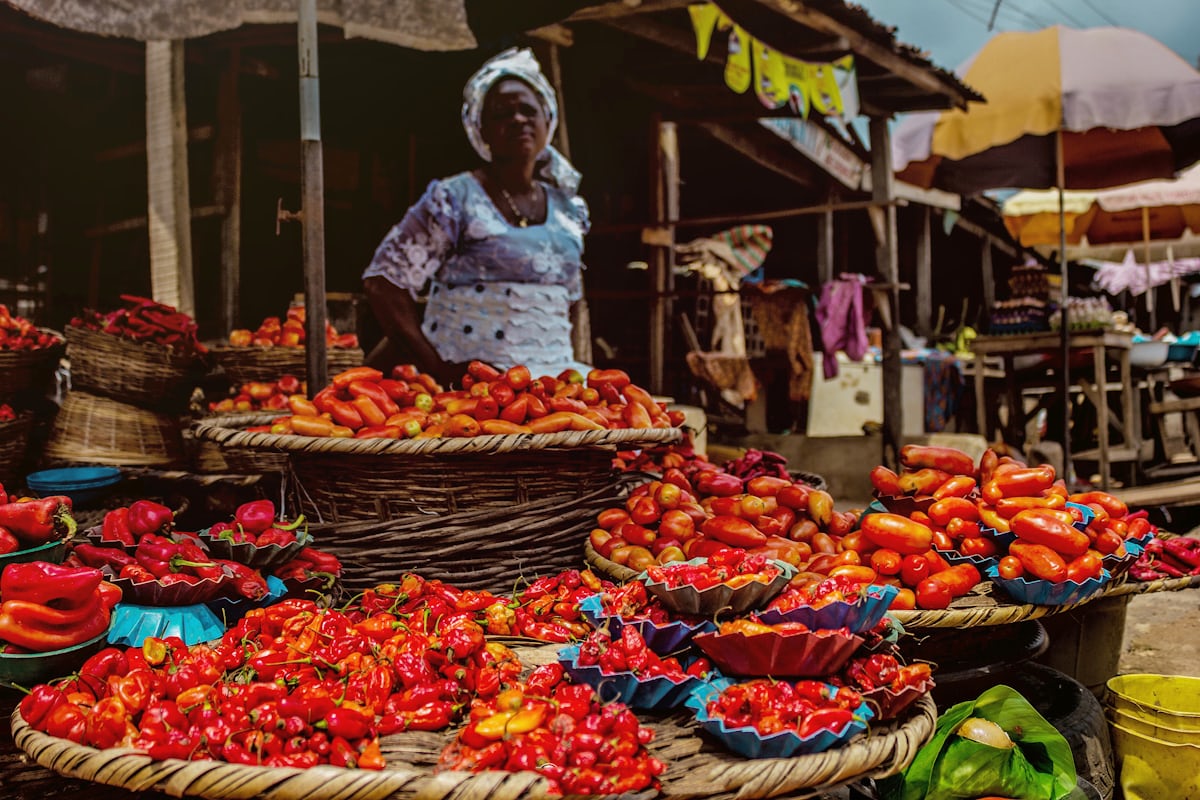
Food, transport, housing and other living costs have also risen considerably during the same period, meaning the increase in pay needs to be considered alongside purchasing power.
Education presents another part of that picture. Adedeji cited UNICEF estimates showing that the number of out-of-school children has fallen from about 20 million in 2023 to between 18.3 million and 18.5 million.
A reduction of roughly 1.5 million children is significant, but more than 18 million children remaining outside school still represents a major social and economic challenge.
Taken together, Adedeji’s figures show an economy that has changed considerably since May 2023. Refining capacity has expanded, tax collections have grown, capital inflows are higher, trade has strengthened, and the stock market has reached unprecedented naira values.
Household welfare tells a more complicated story. Higher wages and improvements in some economic indicators matter, but their real significance will ultimately depend on what Nigerians can afford, the jobs available to them, the quality of public services and the opportunities available to the millions still living outside the formal economy.
That is where the next phase of Nigeria’s economic story will be measured.

Joy Onuorah is a business journalist and brand communications specialist covering financial markets, artificial intelligence, digital economy, and the ideas reshaping business across Africa and the global market. Beyond her reporting for TheWill, Joy uses brand strategy, storytelling, copywriting, and high-value SEO to help brands build lasting market authority.