
-
Nigeria’s tax revenue surged 113% to N27.1tn by July 2026 from N12.3tn in 2023.
-
The Nigeria Revenue Service linked the increase to tax digitisation, new tax laws and tighter revenue administration.
-
Oil production, foreign reserves, capital inflows and the balance of payments also improved during the period.
-
Despite stronger economic indicators, Nigeria’s total debt stock rose to N159.28tn, underscoring the challenges still facing the economy.
August 10, (THEWILL) — Nigeria’s tax revenue rose by 113 per cent in less than three years, increasing from N12.3tn in 2023 to N27.1tn by July 2026, according to an internal report by the Nigeria Revenue Service (NRS).
The revenue authority attributed the increase to the digitisation of tax administration, the enactment of four tax reform laws, changes within the revenue service and an executive order aimed at closing loopholes in the tax system.
The NRS, in a report on the state of the Nigerian economy obtained by *The PUNCH*, said the increase in tax collections was among several indicators suggesting that the economy was gradually recovering from the severe pressures that followed the Tinubu administration’s early reforms.

“Tax collections more than doubled from N12.3tn in 2023 to N27.1tn as of July 2026,” the report said, attributing the increase to changes in tax administration and the broader reform programme.
The revenue service said the government inherited four major economic distortions in 2023: an unsustainable fuel subsidy regime, an opaque foreign exchange system, weak oil production and a tax base that remained below its potential.
Oil Output, Reserves and Capital Inflows Strengthen
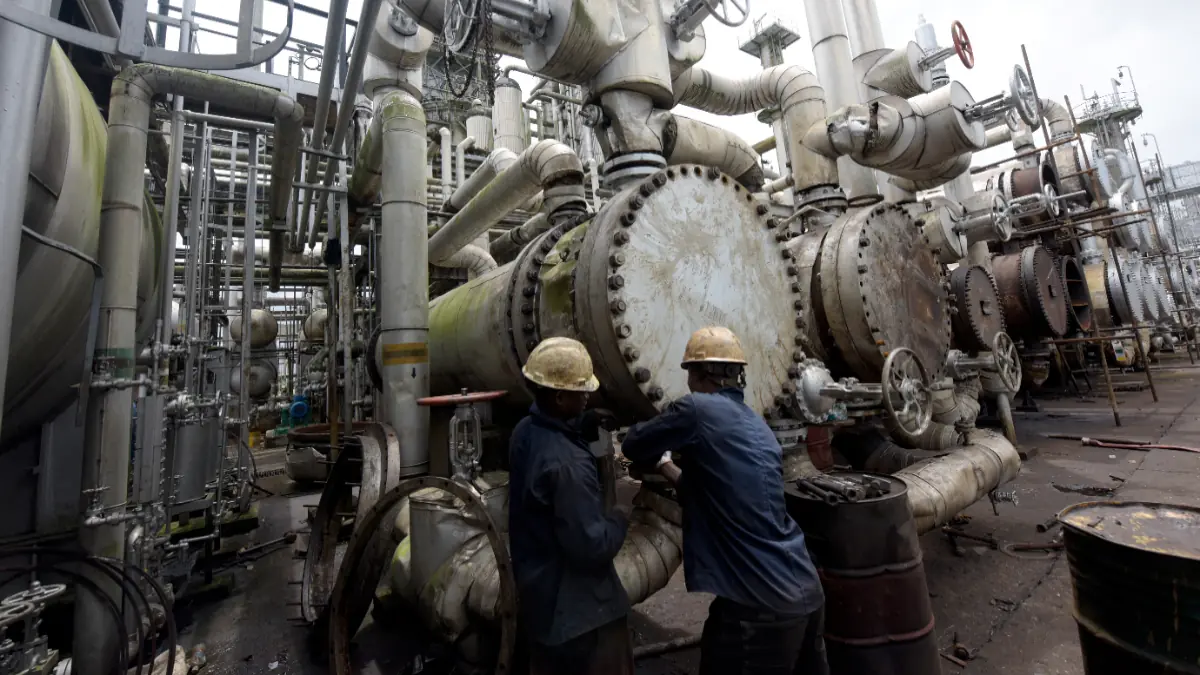
Crude oil production, according to the report, increased from between 1.2 million and 1.3 million barrels per day in 2023 to 1.73 million barrels per day by July 2026. The latest figure represents 104 per cent of Nigeria’s OPEC quota.
The increase is significant for government finances and foreign exchange earnings because crude oil remains a major source of export revenue for the country.
The NRS also highlighted the impact of the government’s naira-for-crude arrangement with the Dangote Petroleum Refinery and other domestic refineries. It said the policy had contributed to Nigeria moving from a long-standing dependence on imported petroleum products to becoming a net exporter.
Nigeria’s external reserves also increased significantly, rising from $3.99bn in unrestricted reserves in 2023 to $51.9bn by July 2026, according to the report. The NRS described the latest level as a 17-year high.
The country’s balance of payments moved from a deficit of $3.34bn to a surplus of $2.38bn in the first quarter of 2026, while the trade balance improved from a marginal N44.7bn surplus to N7.55tn during the same period.
Exports of non-crude oil products also increased, with their value rising by 51 per cent year-on-year to N6.78tn in the first quarter of 2026.
Capital inflows provided another indication of improving investor activity. Annual capital importation rose from $3.9bn in 2023 to $23.22bn in 2025, while inflows reached $10.37bn in the first quarter of 2026 alone.
The NRS said foreign portfolio investment accounted for a significant share of the inflows, while foreign direct investment also improved.
The Nigerian Exchange also recorded a sharp increase in market capitalisation, rising from N30.36tn in 2023 to N161tn in 2026. The report attributed the rise partly to improved macroeconomic conditions, bank recapitalisation and increased domestic institutional investment.
Debt Rises Despite Improving Debt-to-GDP Ratio
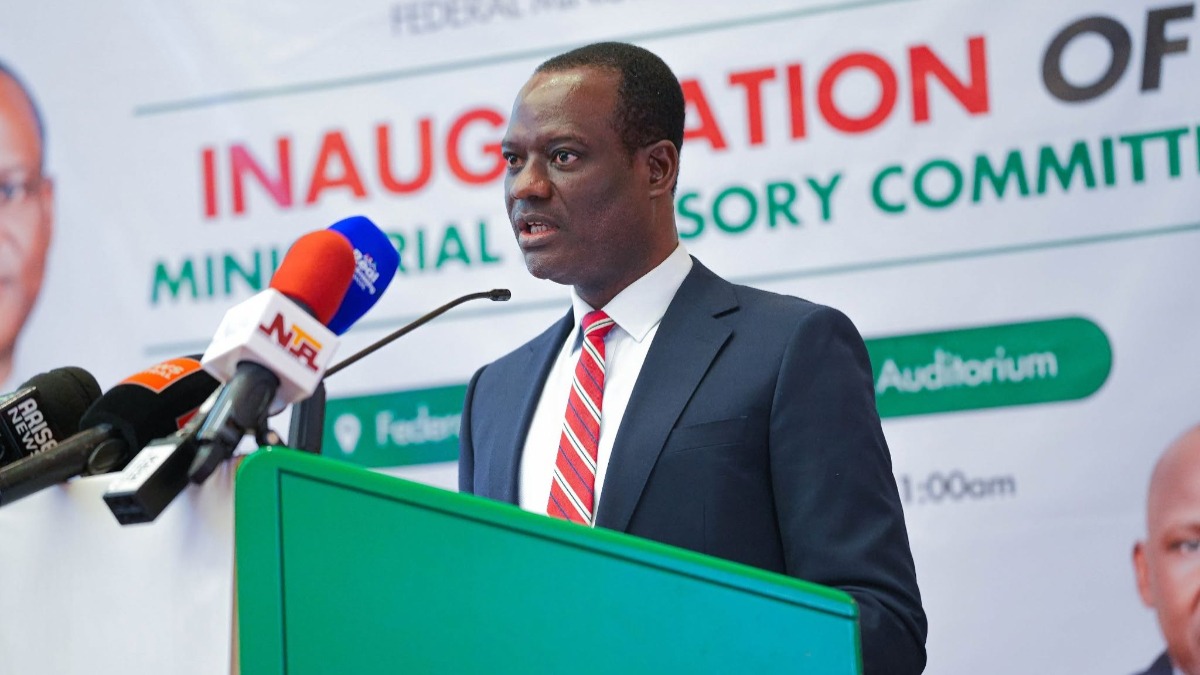
The NRS, however, said the debt-to-GDP ratio provided a more useful measure of debt sustainability. It reported that the ratio fell from 38 per cent in 2023 to 35.5 per cent in 2025 and 32.3 per cent in 2026.
Debt servicing as a proportion of government revenue also declined from 68 per cent to an International Monetary Fund-projected 53 per cent, according to the report.
The report further pointed to the expansion of compressed natural gas (CNG) adoption following the removal of the petrol subsidy. It said more than 100,000 vehicles had been converted to CNG by 2026, with more than $2bn reportedly mobilised in investment.
The NRS estimated that CNG could reduce vehicle running costs by between 40 and 60 per cent compared with petrol.
Agriculture was another area highlighted in the report. Federal agricultural allocations increased from N228.4bn in 2023 to N826.5bn in the 2025 budget, alongside measures including fertiliser distribution, grain releases and agricultural mechanisation.
The NRS cited Ministry of Agriculture data indicating that food prices had fallen by about 50 per cent by March 2026, although it acknowledged that agricultural interventions would require several planting seasons before their full effect could be reflected in production.
The report also cited a decline in the estimated number of out-of-school children from 20 million to 18.3 million, based on UNICEF estimates.
While the NRS maintained that the economy was becoming more resilient, it acknowledged that the improvements followed significant economic adjustments and that the reform process remained unfinished.
It said continued implementation would be necessary to consolidate the gains recorded in tax collection, oil production, reserves, trade and investment.
“The Nigerian economy has moved decisively from acute macroeconomic distress toward a more stable and increasingly resilient footing,” the revenue service said.

Segun Adeyemi serves as the Associate Editor of THEWILL Newspaper, leveraging more than ten years of editorial expertise and a proven track record in mainstream journalism.