
-
President Bola Tinubu has declared that Nigeria is moving into a new economic phase after three years of painful reforms, promising Nigerians cheaper food and lower living costs.
-
In his 66th Independence Day address, Tinubu acknowledged that millions of Nigerians are still struggling to afford food, school fees, medical bills, and transportation.
-
The President said the country could not erase in four years problems accumulated over generations, but insisted that his administration could change the direction of the economy and steadily lift Nigerians out of poverty.
-
Tinubu said the economy had entered the new phase from a stronger foundation, citing growth of more than four per cent, lower inflation from its peak, and rebuilt foreign reserves.
October 1, (THEWILL) – President Bola Tinubu has declared that the era of economic stabilisation is over and promised a new phase of cheaper food, jobs, industrial growth and wider opportunities, saying his administration must now turn economic reforms into tangible improvements in the lives of Nigerians.
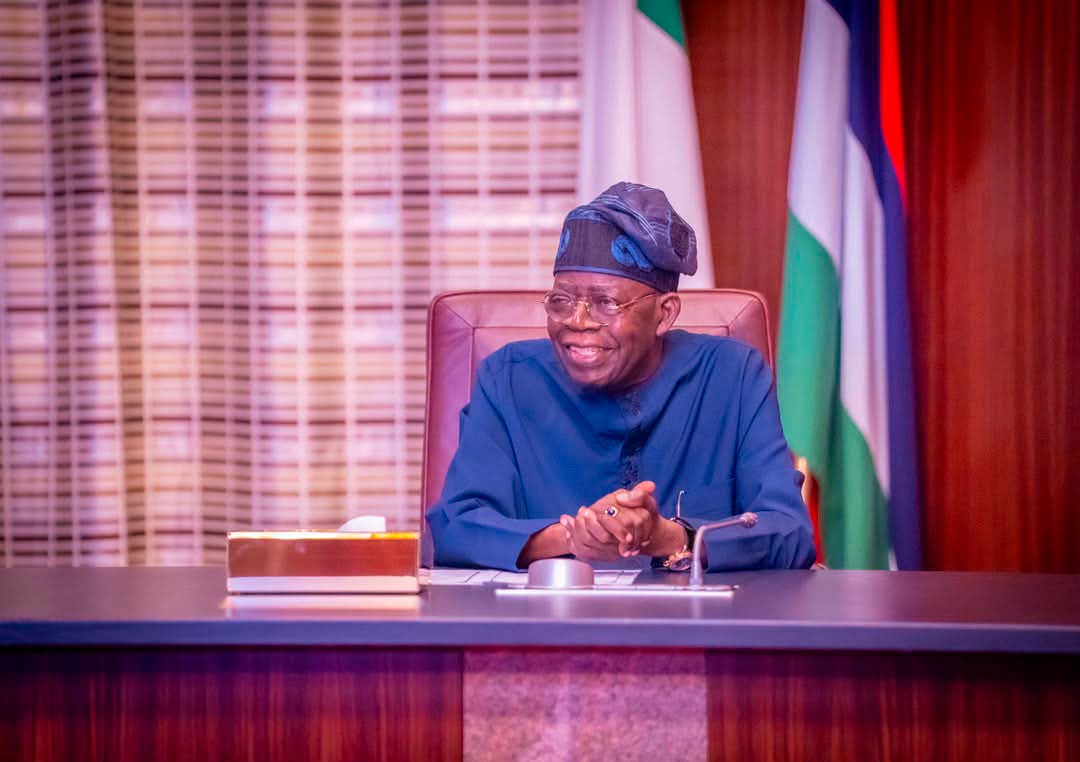
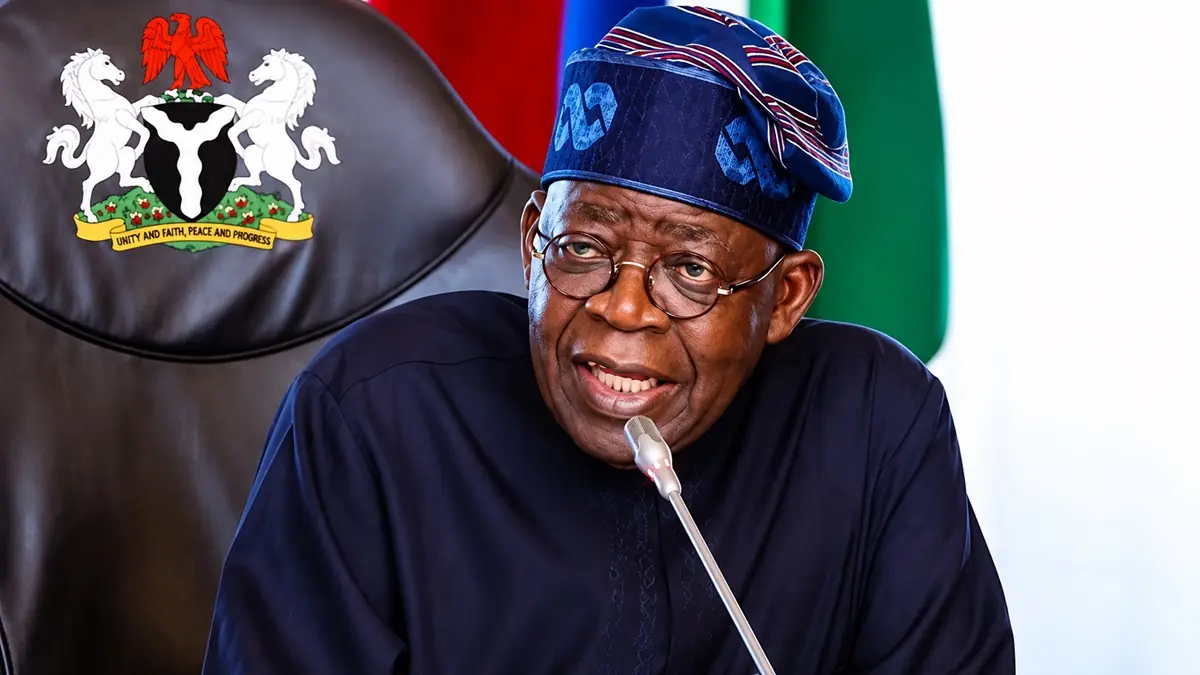
The President made the declaration on Thursday in his 66th Independence Day address to the nation, in which he acknowledged the continuing hardship faced by millions of Nigerians but said the Federal Government had now reached the point where economic growth must translate into prosperity for ordinary citizens.
“The age of reform has done its work. Now begins the age of prosperity,” Tinubu declared.

He said the new phase would no longer be defined principally by the difficult decisions taken to correct the country’s economic direction, but by what Nigerians could feel in their homes, businesses and workplaces.
“When I speak of prosperity, I do not speak merely of a larger economy, abstract numbers or better statistics.
“I mean something much more personal. I mean a Nigeria in which the farmer can cultivate his land safely, produce more at lower cost, and earn a decent return for his labour.
“A Nigeria in which factories have reliable power, businesses can obtain credit, and young people can find productive work,” Tinubu said.
The speech came as Nigeria marked 66 years of independence amid a difficult economic transition that has tested household incomes and purchasing power.
Tinubu acknowledged that the country still had a long way to go, particularly for families struggling to meet basic needs.
“I am also conscious that millions of our fellow citizens cannot wait for tomorrow. Some Nigerian families still struggle today for the next meal, the next school fee, the next medical bill, or simply enough money to get to work,” he said.
But rather than present social intervention as the destination, Tinubu said his administration’s objective was to create an economy capable of generating opportunities and reducing dependence on government support.
“These programmes are not substitutes for prosperity. They are a bridge to aid our nation’s citizens on their path towards it. Our objective is not to manage poverty more efficiently. We will defeat it,” he declared.
From Stabilisation to Living Standards
Tinubu said the central economic task before his administration had changed after what he described as three years of correcting the country’s economic course.
“For three years, our overriding purpose was to correct our nation’s course. Now, our purpose is simple: shared and widespread prosperity,” he said.
The President said the government would pursue that objective by attacking the underlying costs of production and distribution rather than merely responding to rising prices after they occur.
“Our priority is to bring down the cost of living. We will achieve this by lowering the cost of producing and moving the things Nigerians consume,” he said.
That strategy, he explained, would require increased agricultural production, better infrastructure and lower operating costs for manufacturers and businesses.
Tinubu listed mechanised irrigation, dry-season farming, improved access to seeds and fertiliser, agricultural mechanisation, storage and transportation among the areas being prioritised.
He also pointed to roads, railways and ports as critical links between farms, factories and consumers.
“When a farmer produces more cheaply, when fewer crops are lost between the farm and the market, when a manufacturer spends less on electricity, when a truck reaches its destination faster, and when the business environment fosters fair competition, all those savings will ultimately find their way into the price of goods in the market,” he said.
READ ALSO:
Jobs Become Central To Next Phase
The President also placed employment at the centre of the new economic agenda, saying Nigeria could no longer afford to allow its large youth population to become a source of frustration.
“We are therefore placing jobs, enterprise, and industrial growth at the heart of our government’s policies,” Tinubu said.
He said the government would deploy Nigeria’s gas resources to support new industries, help revive factories, expand digital connectivity and invest in skills required by employers.
The President was particularly emphatic about increasing domestic production.
“I want to see more Nigerians making things. I want to see more Nigerian farms feeding our cities and supplying our factories.
“I want to see Nigerian businesses selling Nigerian goods to the whole world. I want young Nigerians building unicorns and creating opportunities for others here at home,” he said.
‘We Cannot Erase in Four Years’
While presenting an optimistic outlook, the President did not gloss over the scale of the problems confronting the country.
He said the hardship facing vulnerable Nigerians was the result of years of low productivity, inadequate infrastructure, insufficient opportunity and weak institutions.
“Their circumstances did not begin with the reforms of the last three years. Their struggle is the accumulated consequence of decades of low productivity, inadequate infrastructure, insufficient opportunity and institutions that too often failed those who needed them most,” he said.
Tinubu admitted that the government could not reverse decades of accumulated problems within a single term.
“We cannot erase in four years what accumulated over generations. But we can change its course,” he said.
The President promised that the government would combine economic expansion with targeted assistance for citizens who remain vulnerable.
He cited the National Social Register, Nigerian Education Loan Fund and CREDICORP among programmes intended to provide support while Nigerians transition into greater economic independence.
He said the government would also continue working with state and local governments on primary healthcare, basic education and other essential public services.
Tinubu Stakes Next Phase On Production
The President said Nigeria’s path to prosperity would ultimately depend on the ability to produce more, create jobs and make it cheaper to do business. He said the government would continue investing in infrastructure while encouraging private-sector expansion.
The objective, he said, was to create an economy where Nigerians could earn their livelihoods through productive work rather than depend on government assistance.
Tinubu also said the country’s economic indicators had improved sufficiently to provide a stronger platform for the next phase.
He cited economic growth of more than four per cent in 2026, contributions from both the oil and non-oil sectors, reduced oil theft, lower inflation from its peak, rebuilt foreign reserves and greater stability in the foreign exchange market.
He also pointed to more than $6 billion in non-oil export revenue recorded in 2025.
“Three and a half years later, the evidence that Nigeria’s economic outlook has improved is undeniable,” he said.
But the President’s broader message was that macroeconomic improvement would only matter if it eventually translated into better household welfare.
“The emergency treatment is over. The foundation has been repaired. The central economic task before us has changed,” he said.
‘The Promised Land’ Ahead
Tinubu said the prosperity agenda would require sustained growth and the creation of millions of productive opportunities, cautioning that the transformation would not happen overnight.
“It will take time. It will require discipline. It will require sustained growth year after year and the creation of millions of productive opportunities across our country,” he said.
He nonetheless expressed confidence that the country had reached a point where it could pursue that objective from a stronger economic foundation.
“But for the first time in decades, we embark on this task from a position of strength; with an economy whose fundamental direction has been corrected,” Tinubu said.
He called on Nigerians to maintain faith in the country and its future, saying the next stage should be about building on the sacrifices already made.
“The road ahead will still demand much from us. But we now travel it with firm footing, a clear direction, and renewed hope in our collective future,” he said.
The President concluded with a vision of a Nigeria where prosperity is broadly shared and economic circumstances no longer determine the limits of a child’s ambition.
“The Promised Land before us is a Nigeria of abundance and opportunity; a nation where prosperity is broadly shared, where every child can dream beyond the circumstances of his birth, and where our country’s immense promise is finally reflected in the lives of our people.
“Our destination is in sight. Our foundations are strong. Our direction is clear. So let us go forward. No looking back.”
Felix Ifijeh is a journalist with years of professional reporting experience. Known for his keen news sense, compelling storytelling and commitment to accurate, impactful reporting, he has built a reputation for turning leads into clear, engaging, and well-structured reports that resonate with readers. His work reflects deep newsroom experience and a commitment to accurate, impactful journalism.