
-
Nigeria and India sign a Memorandum of Understanding to strengthen cooperation between their national human rights commissions.
-
Foreign Affairs Minister Bianca Odumegwu-Ojukwu raises concerns over the welfare, dignity and fundamental rights of Nigerians held in Indian custodial centres.
-
Both countries seek stronger collaboration in human rights promotion and protection as members of the Global South.
-
Nigeria reaffirms commitment to international human rights obligations following its election to the UN Human Rights Council for the 2027–2029 term.
November 11, (THEWILL) – Nigeria has raised concerns over the welfare and treatment of its citizens held in Indian custodial centres as both countries move to strengthen bilateral cooperation on human rights through a new institutional agreement.
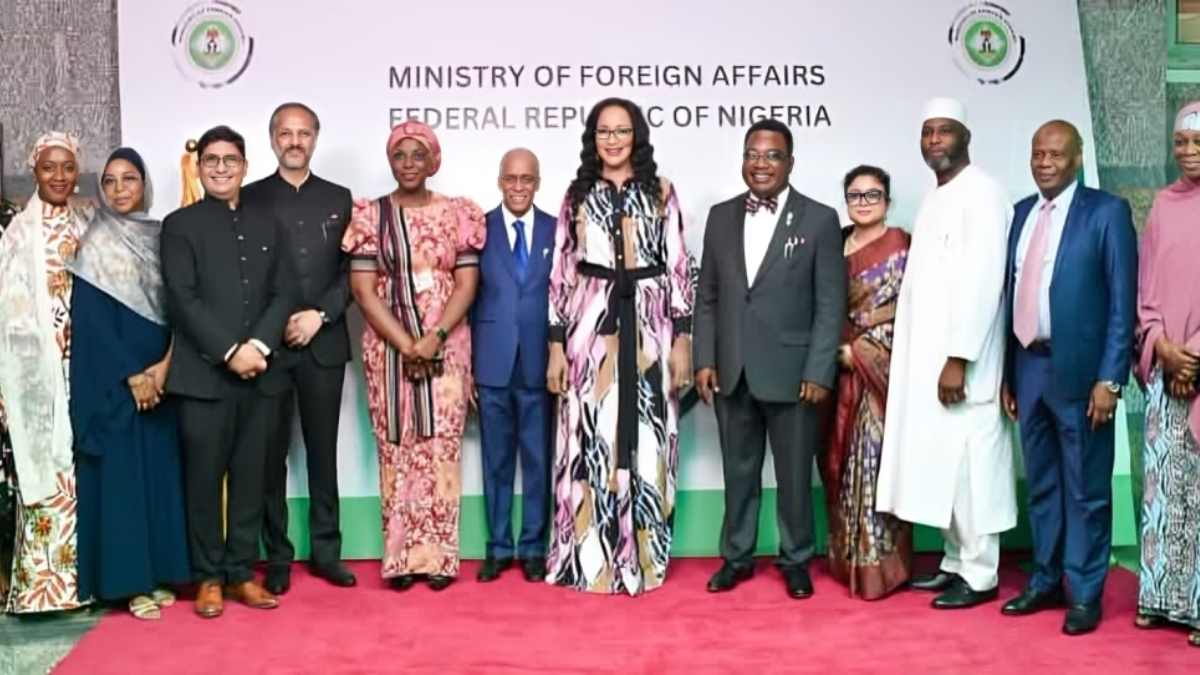
The concerns were raised by the Minister of Foreign Affairs, Bianca Odumegwu-Ojukwu, during a meeting with a joint high-level delegation of the National Human Rights Commissions of Nigeria and India at the Ministry of Foreign Affairs in Abuja on Tuesday.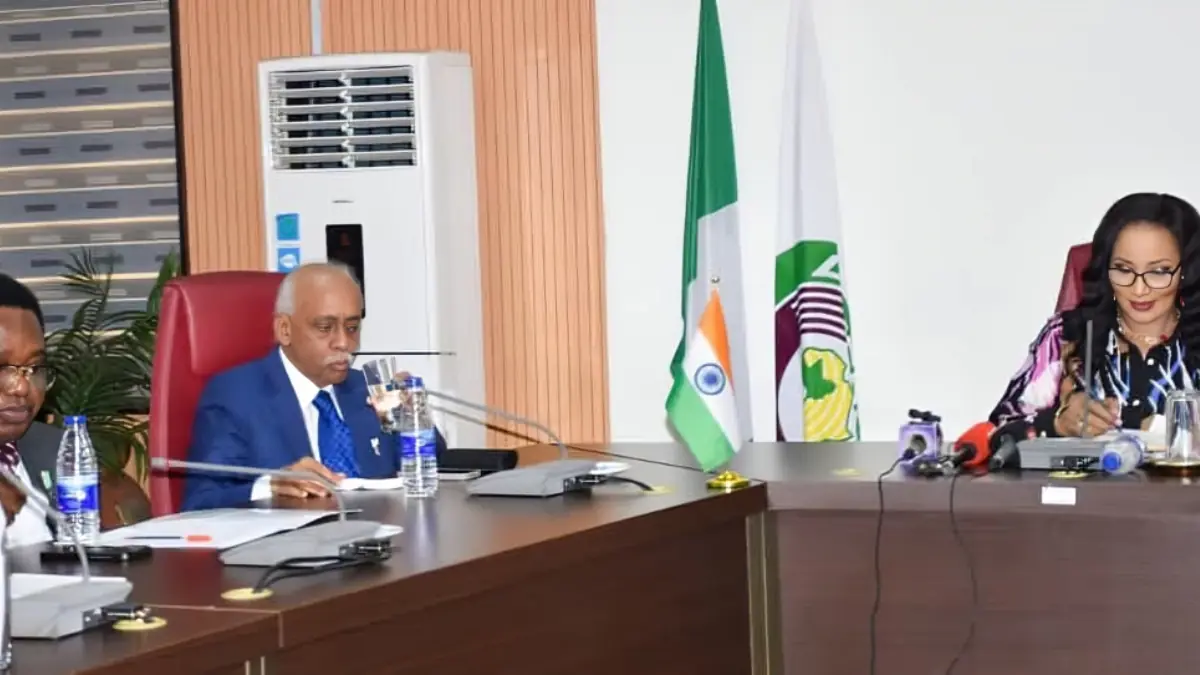
The meeting followed the signing of a Memorandum of Understanding (MoU) between the National Human Rights Commission (NHRC) of Nigeria and the National Human Rights Commission of India to deepen institutional cooperation in the promotion and protection of human rights.
The delegation was jointly led by the Executive Secretary of Nigeria’s NHRC, Chief Anthony Ojukwu, OFR, SAN, and the Chairperson of India’s National Human Rights Commission, Justice V. Ramasubramanian.
Speaking during the meeting, Odumegwu-Ojukwu described the agreement as a timely initiative that would translate the longstanding relations between Nigeria and India into practical institutional cooperation on human rights.
She said the partnership presented an opportunity for both countries to strengthen their contributions to human rights diplomacy and improve the effectiveness of national and international human rights institutions.

The minister also highlighted the potential for Nigeria and India, as members of the Global South, to contribute constructively to building a more inclusive international human rights architecture.
READ ALSO:
 She, however, drew attention to concerns over the treatment of Nigerians serving in custodial centres in India, urging that appropriate attention be given to their welfare, dignity and fundamental rights.
Odumegwu-Ojukwu stressed the need for the rights of Nigerian citizens in custody to receive due consideration, making their welfare an important issue in the broader engagement between both countries.
The minister also expressed appreciation to member states of the United Nations for their support for Nigeria’s election to the UN Human Rights Council for the 2027–2029 term. She reaffirmed Nigeria’s commitment to discharging its international human rights obligations in accordance with the United Nations Charter and the Universal Declaration of Human Rights.
According to her, Nigeria’s engagement with the international human rights system would remain guided by the principles of objectivity, non-selectivity and constructive international engagement.
The agreement is expected to provide an institutional framework for sustained engagement between the two commissions, including cooperation on human rights promotion, protection and the strengthening of institutional capacity.

Felix Ifijeh is a journalist with years of professional reporting experience. Known for his keen news sense, compelling storytelling and commitment to accurate, impactful reporting, he has built a reputation for turning leads into clear, engaging, and well-structured reports that resonate with readers. His work reflects deep newsroom experience and a commitment to accurate, impactful journalism.