
-
NIN enrollment has reached approximately 142 million people.
-
Government wants 95% population coverage by December 2026.
-
Licensed enrollment partners include 173 private companies.
-
Wider coverage could expand demand for identity verification services.
September 17, (THEWILL) – Nigeria’s push to extend National Identification Number coverage to 95% of its population by December is creating work for private enrolment companies, with potential business opportunities extending into how banks, insurers and other providers identify their customers.
President Bola Tinubu announced the target on September 16 at the National Identity Day celebration in Abuja. Represented by Chief of Staff Femi Gbajabiamila, he said enrolment had reached approximately 142 million people.
Expansion will involve ward-level registration, mobile enrollment and licensed agents. According to the President, 173 private companies, 30 state governments and 14 public institutions are licensed to participate in enrollment.

Registration Creates the First Business Opportunity
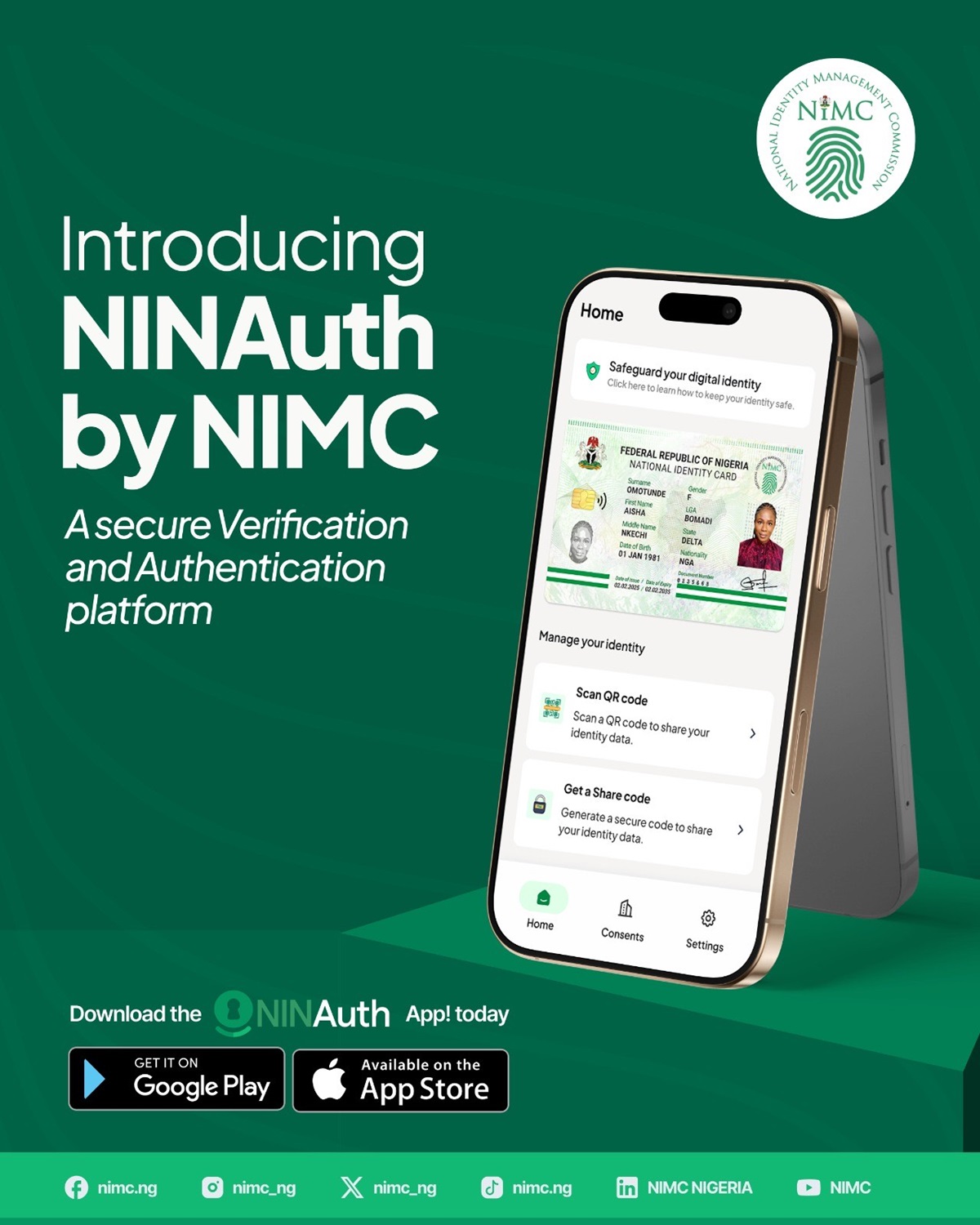
Enrolment requires people to capture information, operate equipment, supervise registration and support applicants. Tinubu identified opportunities for enrolment officers, data professionals and technology specialists within the expanding network.
However, the announcement supplied no contract values, partner earnings or payment terms. The number of licensed participants establishes a business network without showing how profitable participation has become.
A second opportunity could develop after registration, whenever organisations need to confirm a customer’s identity.
For example, a financial services provider could use reliable identity checks to reduce manual document reviews during account opening.
Software companies could build the connections that let businesses request those checks, manage permissions, and keep records of verification.
These are potential commercial applications, rather than revenue forecasts or contracts announced alongside the December target.
READ ALSO:
A Registered Identity Must Also Be Useful
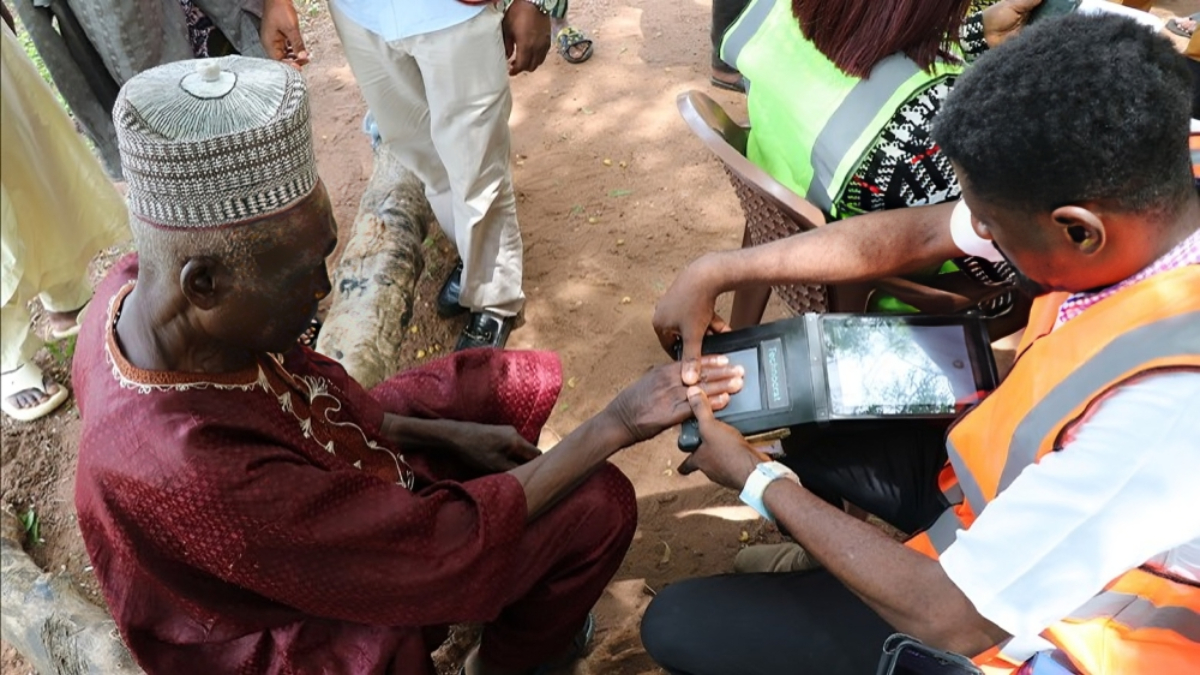
Nigeria already has an official digital identity authentication service, NINAuth. Its existence shows that the system’s purpose extends beyond issuing identification numbers.
The expansion also follows the signing of the NIMC Act 2026 on June 26.
For businesses, wider enrolment could increase the number of customers whose identities can be checked through a common system.
Whether those checks save money in practice will depend on service availability, accuracy, integration costs and the time required to resolve mismatched records.
Identity confirmation also answers only part of a commercial decision. Knowing who a borrower is does not establish their ability to repay, and confirming an account holder’s identity does not make every transaction legitimate.
Similar limits apply to the headline enrolment figure. Approximately 142 million registrations cannot be treated as 142 million paying customers, active digital users or completed transactions.
The commercial opportunity will become clearer through evidence of repeated use, including successful verification volumes, participating businesses, service charges and reductions in onboarding time. December’s coverage target could enlarge the customer base those services can reach; dependable everyday use will determine what businesses can build around it.

Joy Onuorah is a business journalist and brand communications specialist covering financial markets, artificial intelligence, digital economy, and the ideas reshaping business across Africa and the global market. Beyond her reporting for TheWill, Joy uses brand strategy, storytelling, copywriting, and high-value SEO to help brands build lasting market authority.