
-
Instant bank transfers leave Nigerian buyers exposed to fraud and vendors exposed to unpaid deliveries.
-
Standalone escrow apps struggle for adoption because shoppers rarely leave WhatsApp or Instagram to register.
-
Embedding escrow inside Kuda, OPay, Moniepoint, PalmPay, and FairMoney puts protection inside everyday payment flows.
-
Native escrow would boost vendor sales while squeezing merchant cash flow and creating heavy dispute workloads.
November 20, (THEWILL) – Every day across WhatsApp chats, Instagram storefronts, and TikTok live sales in Nigeria, millions of transactions stall over a single question of trust: who takes the first risk?
If a buyer transfers money for a phone, wig, or custom outfit upfront, that payment clears instantly through Nigeria’s real-time interbank rails.
Once settled, a dishonest vendor can block the buyer and vanish, leaving the customer with little recourse beyond a slow bank fraud desk.
If a vendor ships on a pay-on-delivery basis instead, an unserious buyer can refuse the package at the gate, leaving the merchant absorbing dispatch fees, damaged inventory, and wasted time.
That standoff is the quiet tax on Nigerian social commerce. While dedicated startups like EscrowPay, Pandascrow, and PaySureFy have launched tools to hold funds until delivery is confirmed, standalone escrow has remained a niche product.
The distribution math explains why. Nigerian shoppers rarely leave WhatsApp or Instagram to register on a third-party escrow website for a routine purchase.

More so, the platforms that actually hold the distribution to make escrow universal are the microfinance banks, neobanks, and mobile money wallets already sitting on people’s phones, including Kuda, OPay, Moniepoint, PalmPay, and FairMoney.
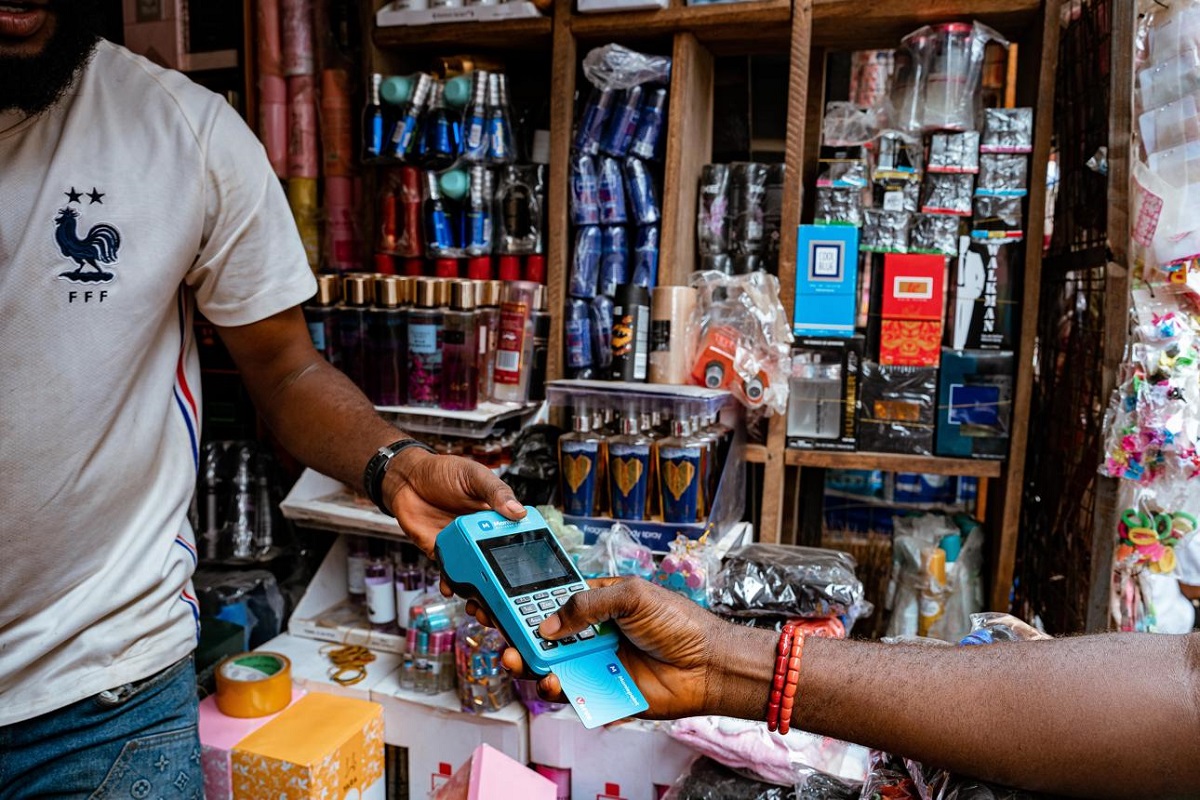
Why Native Account Escrow Changes Distribution Equation
Nigeria’s leading digital banks and mobile wallets do not need to acquire customers from scratch.
Together, they anchor everyday retail payment rails across the country, handling tens of millions of daily transfers for salaried workers on Kuda, street-level shoppers on OPay and PalmPay, and hundreds of thousands of small businesses banking on Moniepoint.
If a buyer on Kuda or OPay could toggle a “Pay With Escrow” option before sending money to a merchant’s Moniepoint or PalmPay account, trust would stop being an external chore and become a native button inside the transfer screen.
Instead of sending a screenshot of a bank alert and hoping for the best, the buyer’s money would sit locked in a ring-fenced ledger state.
The vendor would see verified proof that the cash is funded and irrevocable unless a legitimate dispute occurs, while the buyer would release the funds with a confirmation code once the dispatch rider arrives.
For honest online vendors, that single shift removes the biggest barrier to closing high-ticket sales.
Small businesses on Instagram and WhatsApp lose countless first-time buyers who hesitate to send large sums to an unfamiliar business name.
Verified escrow inside trusted everyday banking apps turns a sceptical stranger into a paying customer without forcing the vendor to build an e-commerce website or pay steep marketplace commissions.
Hidden Trade-Offs For Merchants, Buyers And Digital Banks
Embedding escrow across mass-market microfinance banks and mobile wallets is not a friction-free upgrade.
Viewed as a working financial system, native escrow creates three immediate tensions that would reshape how small businesses and digital lenders operate.

Working Capital Squeeze For Small Merchants
Nigerian micro-merchants operate on thin, fast-turning cash cycles. Many vendors use a customer’s morning transfer to buy raw materials, restock inventory from Balogun or Computer Village, or pay a dispatch rider by afternoon.
Under escrow, that money is visible in the merchant’s pending balance, yet unavailable to spend until the customer confirms delivery.
For perishable goods, bespoke tailoring, or thin-margin traders, a 24-to-48-hour settlement delay forces businesses to rely on their own cash reserves or short-term working capital loans, a segment where platforms like Moniepoint, FairMoney, and PalmPay already lend heavily against merchant transaction history.
READ ALSO:
Buyer Abuse And Reverse Fraud
Escrow solves vendor fraud, but it opens the door to buyer manipulation.
A dishonest customer can receive a genuine item, claim it arrived damaged or incomplete, and freeze the seller’s payout.
Without strict inspection windows, photo proof at dispatch, and automated release timers that unlock funds after 48 hours if a buyer goes silent, escrow flips the power imbalance and traps honest sellers in endless payment holds.
Dispute Resolution Bottleneck
Software can lock and release money automatically, but software cannot easily judge whether a delivered pair of sneakers matches an Instagram video.
If Kuda, OPay, Moniepoint, PalmPay, and peer microfinance banks rolled out escrow to tens of millions of users, even a 1% dispute rate would generate tens of thousands of daily arbitration cases.
Digital banks already face heavy customer-support pressure over failed transfers and account freezes.
Becoming the referee for every disputed retail order in Nigeria would require massive investments in human arbitration teams, clear evidence rules, and tight interbank coordination when the buyer uses one app and the merchant banks with another.
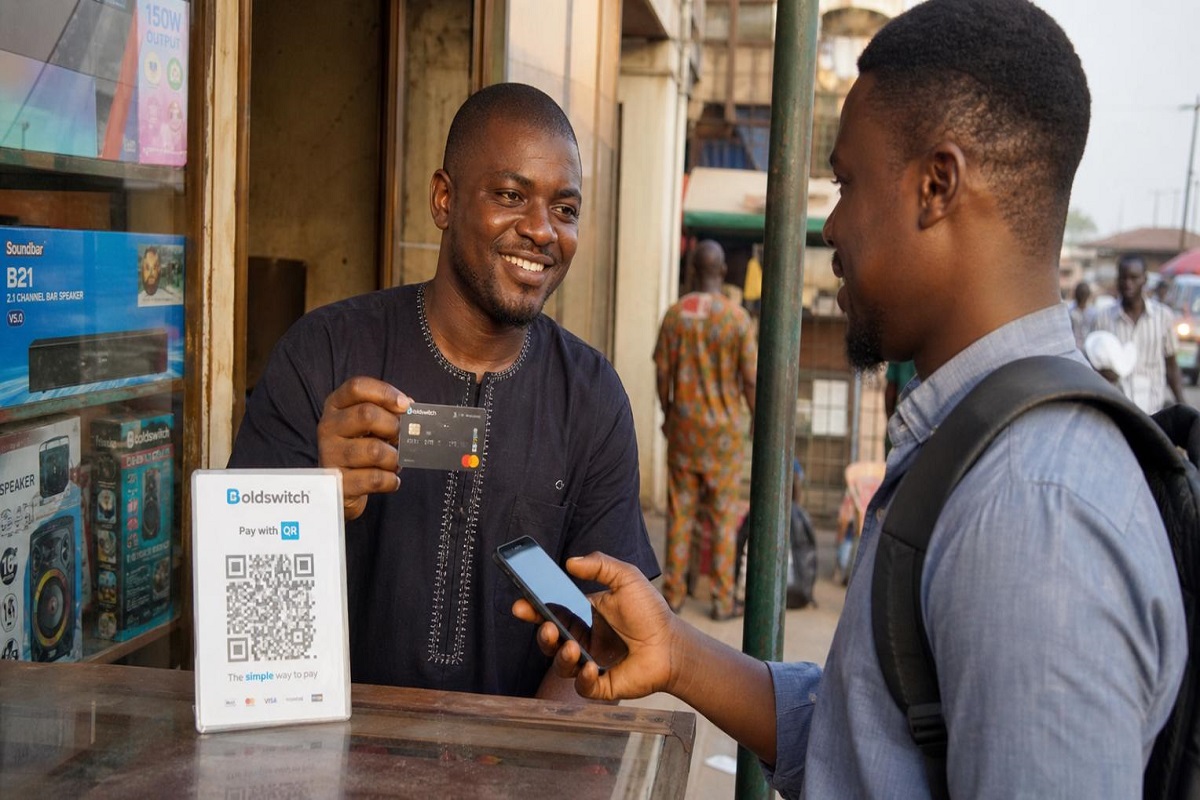
What It Would Mean For Wider Payment Ecosystem
For standalone escrow startups, native escrow inside Nigeria’s everyday digital banks and mobile wallets would be an existential threat to basic peer-to-peer payment protection.
Independent startups would be forced upmarket into specialised, high-value sectors that consumer banking apps will not touch, such as real estate deposits, vehicle sales, B2B procurement contracts, and cross-border trade.
For everyday Nigerian consumers and small businesses, however, native account escrow would mark a structural maturation of digital banking.
Over the past five years, Nigeria’s digital banks and mobile wallets solved speed, making money move in seconds across the country.
The next competitive battleground is accountability, ensuring that instant transfers also come with enforceable delivery guarantees.

Joy Onuorah is a business journalist and brand communications specialist covering financial markets, artificial intelligence, digital economy, and the ideas reshaping business across Africa and the global market. Beyond her reporting for TheWill, Joy uses brand strategy, storytelling, copywriting, and high-value SEO to help brands build lasting market authority.