
-
Six of seven listed Nigerian consumer goods firms posted revenue growth below the 14.6% inflation rate in late 2026.
-
Steep input and energy bills squeezed margins, pushing food and beverage makers toward smaller packs and local sourcing.
-
Informal retail drives over 80% of Nigerian commerce, making B2B restocking credit a $1.76 billion battleground.
-
Brands that match pack sizes and distribution credit to daily cash flows outlast those relying on price hikes alone.
November 20, (THEWILL) – Watch how a Nigerian household buys everyday necessities when real wages lag behind cumulative price shocks.
Nobody walks into a neighbourhood shop and decides to stop washing clothes, cooking meals, or buying beverages because of the prices.
Instead, shoppers shrink what they buy per trip, trade down to smaller sachets or single-use packs, and stretch cash across daily needs.
For Nigeria’s fast-moving consumer goods (FMCG) manufacturers, that shift turns pricing power into a delicate balancing act.
After surging more than 129% in 2025 as currency losses eased and operational leverage returned to headline numbers, consumer goods performance by late 2026 tells a more uneven story.
A November 2026 review of seven listed Nigerian consumer companies found that six posted revenue growth below the 14.6% inflation rate, showing that top-line expansion has been harder to sustain once easy exchange-rate gains fade.

When volume growth is tight, and input bills stay elevated, brand survival comes down to supply-chain engineering rather than advertising slogans.
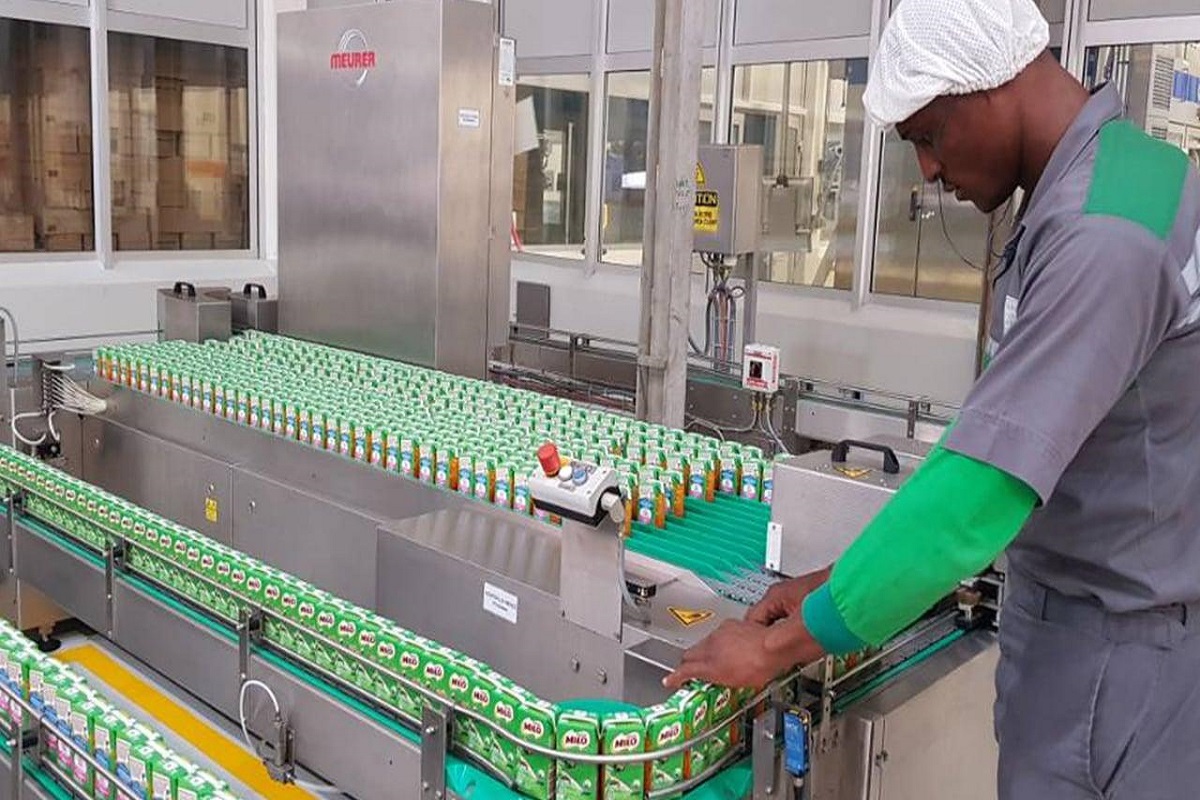
Why Higher Sticker Prices Hit A Wall On Shelf
For years, consumer companies leaned on price increases to offset imported raw materials, transport, and power expenses. That lever works only up to a point.
Once retail prices cross a household’s daily cash threshold, further price hikes push buyers toward cheaper rivals, unbranded alternatives, or smaller units.
Quarterly results across listed manufacturers illustrate how unevenly cost pressures land.
In Q1 2026, Nestle Nigeria saw cost of sales rise nearly 11% to ₦194.07 billion while lifting pre-tax profit 44% to ₦73.8 billion on stronger sales and efficiency gains, and Unilever Nigeria grew pre-tax profit to ₦13.4 billion even as cost of sales climbed 15.77%.
Cadbury Nigeria, by contrast, saw cost of sales rise 15.5% against 7% revenue growth, pulling pre-tax profit down 39.2% to ₦5.2 billion, while Champion Breweries reported a roughly 90% jump in cost of sales that weighed on bottom-line earnings despite near-doubled turnover.
The lesson for brand leaders is straightforward. You cannot treat the consumer wallet as an endless shock absorber.
Smaller pack formats protect unit affordability so a customer can still buy today, while deeper local agricultural and raw-material sourcing reduces exposure to foreign exchange swings and import bottlenecks.
READ ALSO:
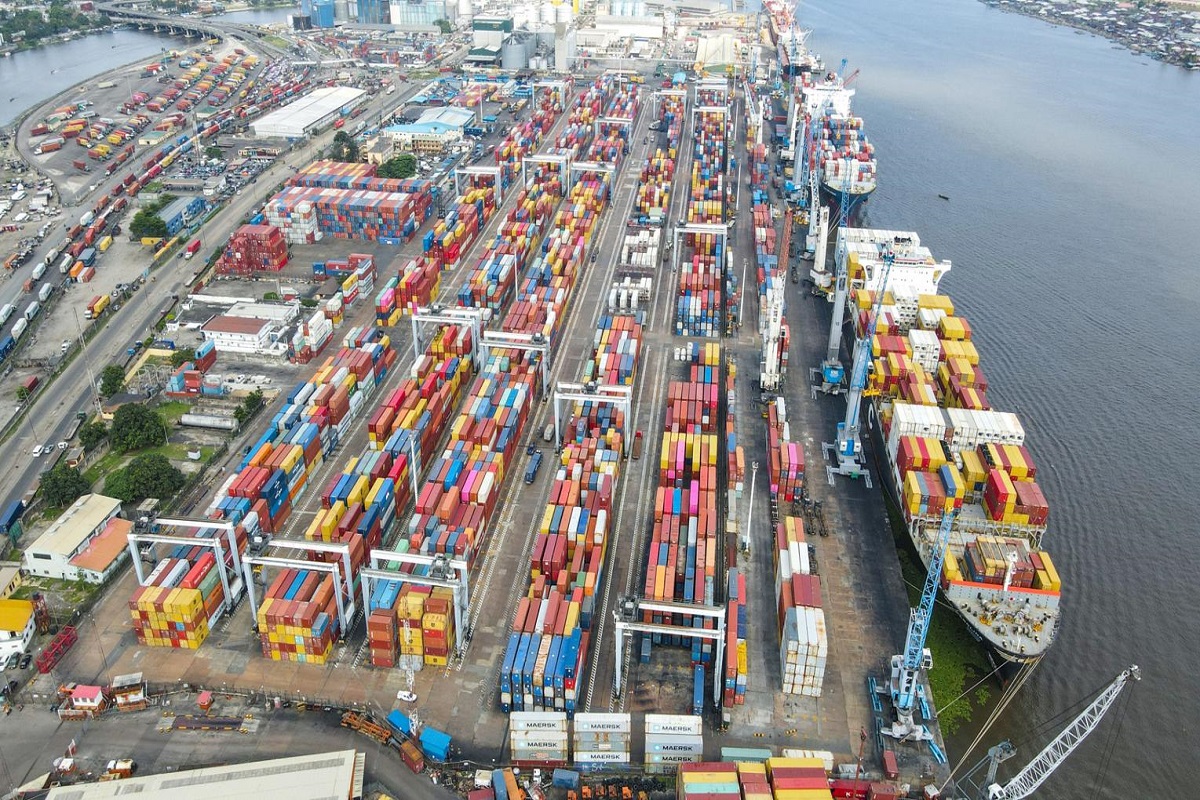
Hidden Bottleneck Between Factory Gates And Neighbourhood Kiosks
Even the best-priced product fails if it cannot reach tens of thousands of scattered neighbourhood shops on time.
With informal retail accounting for more than 80% of Nigerian commerce, distribution in Lagos, Kano, Port Harcourt, and Abuja depends on small kiosks, wholesalers, and cash-strapped traders.
When inflation squeezes household spending, small shopkeepers also feel the crunch.
Cash turns over slowly, credit lines tighten, and ordering full cartons upfront becomes harder.
That friction has fueled the rise of B2B retail platforms and embedded trade credit, with Nigeria’s B2B buy-now-pay-later market estimated around $1.76 billion in 2026 as platforms like TradeDepot, Sabi, OmniRetail, and Moniepoint scale short-term restocking credit to informal merchants.
Nonetheless, extending credit to informal retailers carries its own system risk.
If a trader’s daily sales slow down or inventory sits unsold, short-term credit defaults rise quickly unless credit limits track real order velocity and repayment cycles match local cash turnover.
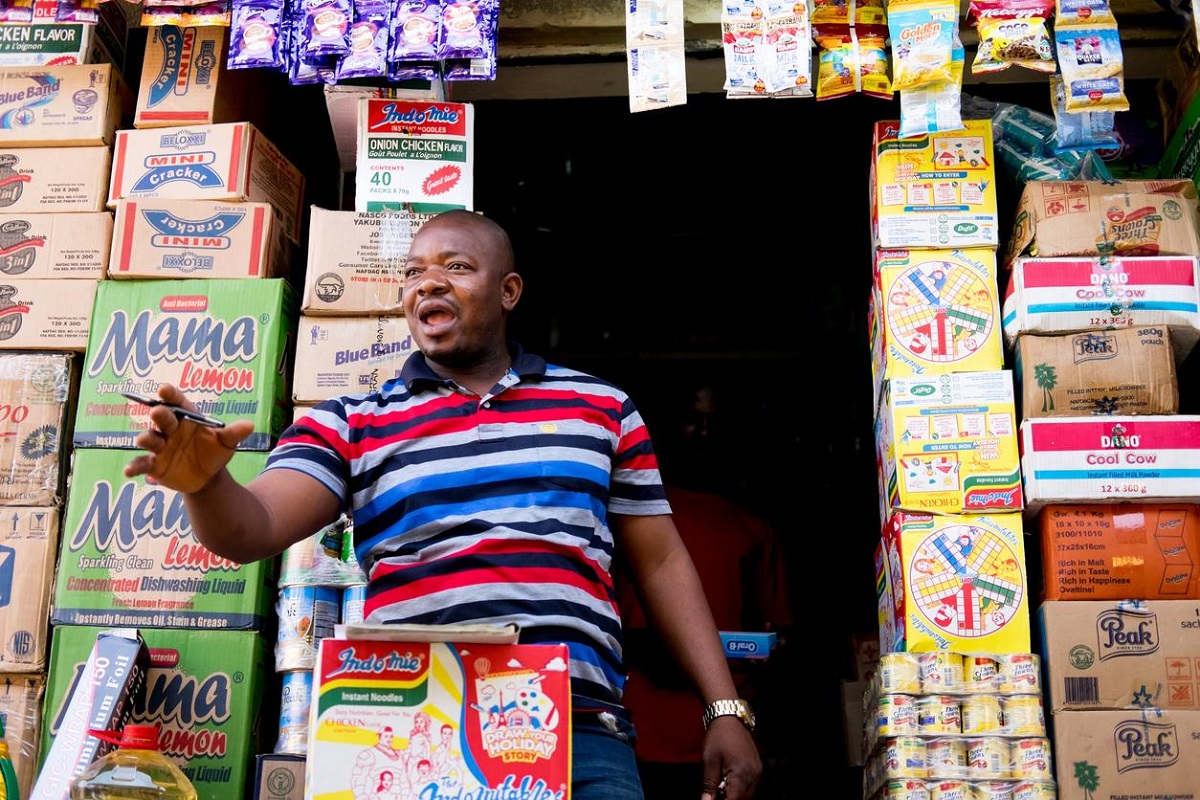
Exports And Local Integration As Next Growth Test
Facing a crowded domestic market where real purchasing power is recovering gradually, several Nigerian manufacturers have turned toward regional trade and cross-border exports to diversify currency earnings.
Nestle Nigeria, for example, saw export revenue jump from ₦1.18 billion in 2023 to ₦6.57 billion in 2024, signalling how regional demand and continental trade frameworks can help offset domestic softness.
Viewed through a systems lens, Nigeria’s consumer sector is moving past emergency survival into a structural test of unit economics.
Winning brands over the next few years will not simply be the ones with the loudest campaigns.
They will be the operators that align pack architecture with daily cash realities, lock in reliable domestic supply chains, and finance retail distribution without letting credit risk spiral.

Joy Onuorah is a business journalist and brand communications specialist covering financial markets, artificial intelligence, digital economy, and the ideas reshaping business across Africa and the global market. Beyond her reporting for TheWill, Joy uses brand strategy, storytelling, copywriting, and high-value SEO to help brands build lasting market authority.