
-
Federal Government rejects NLC’s demand for immediate review of the ₦70,000 national minimum wage
-
Labour demands fresh wage negotiations as petrol price and cost-of-living pressures erode workers’ purchasing power
-
FG says reopening negotiations before June 1, 2027, would be premature, inconsistent with the law and disruptive
-
Government acknowledges workers’ hardship, promises continued dialogue as NLC’s two-week ultimatum runs
October 16, (THEWILL) – The Federal Government has rejected the Nigeria Labour Congress (NLC)’s demand for an immediate review of the ₦70,000 national minimum wage, insisting that the current wage remains valid until June 2027.
Minister of Labour and Employment, Muhammad Maigari Dingyadi, conveyed the government’s position in a formal response to the communique issued after last week’s joint meeting of the NLC Central Working Committee (CWC) and National Executive Council (NEC).
The NLC had given the Federal Government a two-week ultimatum to reduce the price of petrol to between ₦600 and ₦700 per litre (around the level when the current minimum wage was negotiated) and commence a fresh wage review.

But in a letter dated October 12, 2026, and addressed to the NLC leadership, Dingyadi said beginning another wage negotiation barely two years into the implementation of the current minimum wage would be premature and contrary to the existing legal framework.
“I write to acknowledge receipt of the communique. On behalf of the Federal Government, I appreciate the Congress for its continued engagement and commitment to social dialogue,” he said.
Responding specifically to the wage demand, the minister said the government recognised organised labour’s right to advocate improved conditions for workers but maintained that any review must follow the law.
“The National Minimum Wage Act, 2019 as amended by the National Minimum Wage (Amendment) Act, 2024, provides for a review of the National Minimum Wage every three years.
“The current National Minimum Wage of ₦70,000 was assented to by President Bola Ahmed Tinubu on 29th July, 2024, after a painstaking tripartite negotiation process between Government, Organised Labour and Organised Private Sector,” Dingyadi said.
According to the minister, the current wage will become due for review on June 1, 2027.
“Commencing a fresh review exercise barely two years into implementation of the current wage, which represented over a 133 per cent increase from the previous ₦30,000, would be premature, inconsistent with the law, and disruptive to the orderly industrial relations system envisaged by the Act,” he added.
READ ALSO:
FG Acknowledges Workers’ Hardship
Dingyadi acknowledged the economic pressures confronting workers, but said the Tinubu Administration had introduced measures aimed at cushioning the impact of rising living costs.
He cited the Presidential Compressed Natural Gas Initiative, food security interventions and other social support programmes, alongside efforts to ensure compliance with the ₦70,000 minimum wage by states and the private sector.
The minister said the Labour Ministry had also taken note of other issues raised in the NLC communique and was engaging relevant Ministries, Departments and Agencies on matters within the Federal Government’s jurisdiction.
“The Federal Government remains committed to tripartism, decent work and welfare of Nigerian workers. At appropriate time, in line with Section 3(4) of the Act, Government will convene National Minimum Wage Tripartite Committee to commence negotiations for next review,” he said.
Dingyadi appealed to organised labour to continue engaging the government through dialogue and cooperate in maintaining industrial peace.
Background
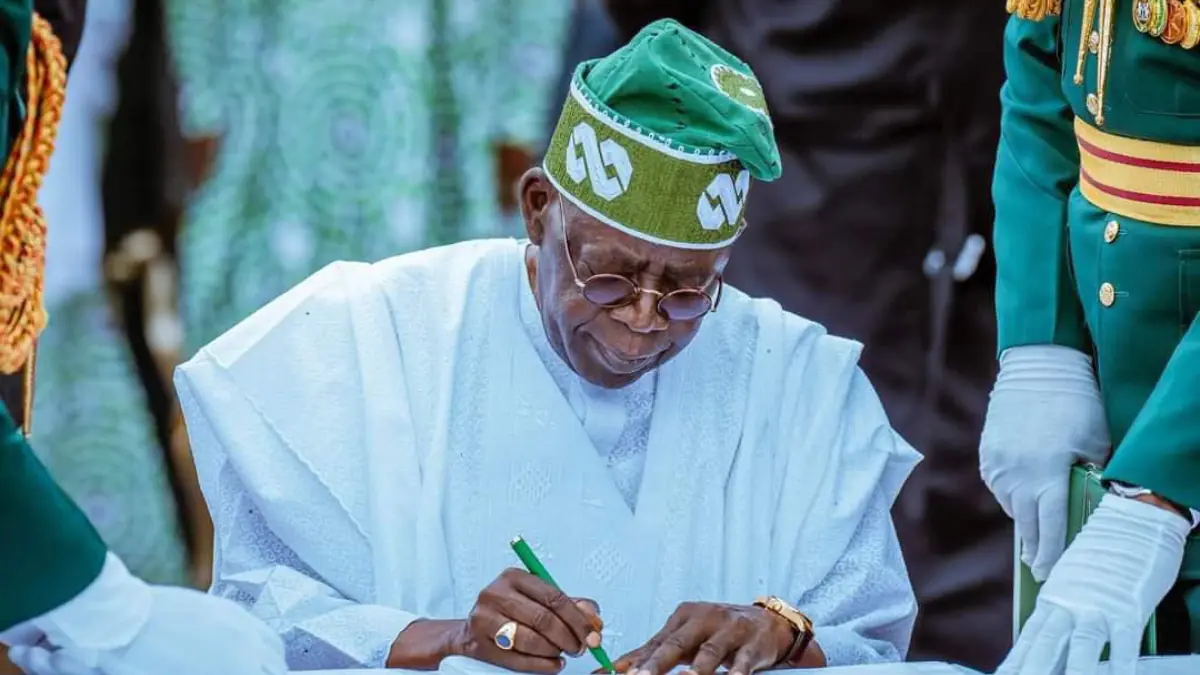 President Tinubu signed the National Minimum Wage (Amendment) Act in July 2024, increasing the national wage floor from ₦30,000 to ₦70,000 after prolonged negotiations among the Federal Government, organised labour and the organised private sector.
The negotiations came amid a sharp rise in living costs following the removal of petrol subsidy in 2023 and other economic reforms.
However, further increases in petrol prices and the accompanying pressure on transportation, food and household expenses have prompted the NLC to argue that the economic assumptions underpinning the ₦70,000 wage have substantially changed.
The Congress consequently demanded that petrol be reduced to between ₦600 and ₦700 per litre and called for fresh minimum wage negotiations, giving the government two weeks to respond.

Felix Ifijeh is a journalist with years of professional reporting experience. Known for his keen news sense, compelling storytelling and commitment to accurate, impactful reporting, he has built a reputation for turning leads into clear, engaging, and well-structured reports that resonate with readers. His work reflects deep newsroom experience and a commitment to accurate, impactful journalism.
